
What Is the Viofo A129 Pro Duo?
If you’ve spent any time researching dashcams in the mid-range price bracket, you’ve almost certainly come across Viofo. The brand has earned a loyal following among dashcam enthusiasts for producing cameras that genuinely over-deliver on their price tags — and the A129 Pro Duo is perhaps the clearest expression of that philosophy.
At its core, the A129 Pro Duo is a dual-channel dashcam system, meaning it records the road ahead and what’s happening behind your car simultaneously, using two separate cameras. The front unit is the star of the show, packing a Sony IMX335 sensor capable of recording at up to 4K resolution at 24fps, while the rear camera handles 1080p coverage of whatever is tailgating you or approaching from behind.
This isn’t a set-it-and-forget-it novelty gadget. The A129 Pro Duo is aimed squarely at drivers who take dashcam footage seriously — people who want genuine evidentiary quality video, real GPS data that logs speed and location, and a parking mode that actually does something useful when the car is unattended. If you’ve ever been involved in a rear-end collision, you’ll immediately understand why dual-channel coverage matters.
Understanding the difference between front-only and dual-channel dashcams is the first step to knowing whether the A129 Pro Duo is right for your situation. The short version: a single front camera will prove you didn’t run a red light, but a dual setup also captures the car that rear-ended you at a standstill, the vandal in a parking lot, or a hit-and-run from behind. That rear coverage changes the calculus entirely for many drivers.
Site note: This review is part of our comprehensive dashcam buying guide and our ongoing dashcam comparison series. If you’re still deciding between front-only and dual-channel, start there before reading on.
Throughout this review, we’ll cover every meaningful aspect of the A129 Pro Duo — from unboxing and build quality through to real-world video performance in daylight, low light, and full darkness. We’ll also dig into parking mode, GPS functionality, and the 5GHz Wi-Fi app experience. By the end, you’ll know whether this is the right dashcam for your car, or whether you should be looking at something else entirely.
Viofo A129 Pro Duo
Dual-channel dashcam with 4K front, Sony IMX335 sensor, GPS, 5GHz Wi-Fi & buffered parking mode.
Check Price on AmazonUnboxing & Build Quality
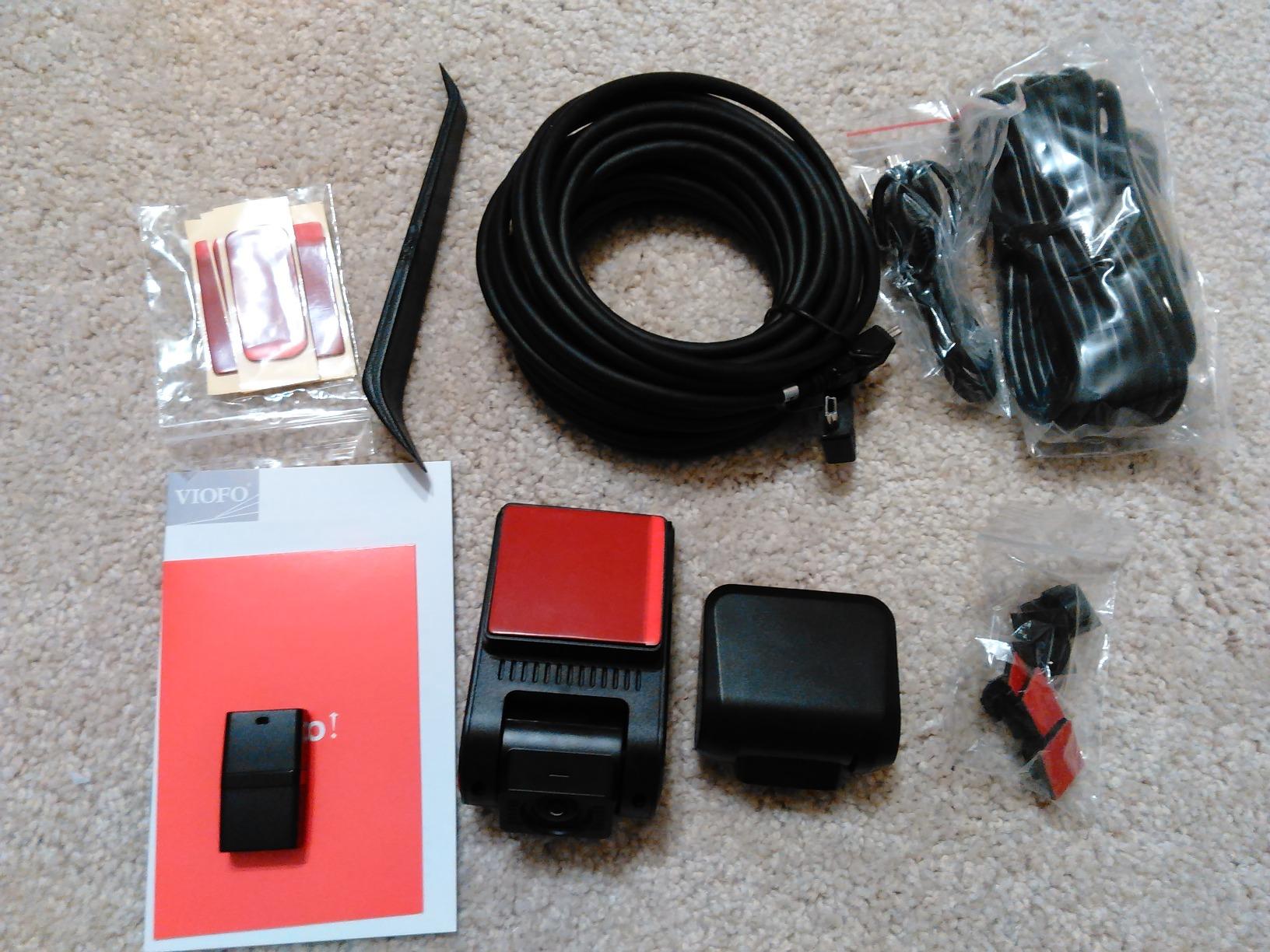
The A129 Pro Duo arrives in Viofo’s standard retail packaging — nothing extravagant, but everything you need is in the box. Alongside the front and rear camera units, you’ll find:
- Front dashcam unit with adhesive mount and suction cup mount
- Rear camera unit with adhesive mount
- Long rear camera cable (approximately 6 meters)
- 12V car charger with built-in fuse (supports dual-channel power)
- Trim removal tool for cable routing
- Electrostatic sticker for the rear camera (alternative to adhesive mount)
Notably absent is a microSD card — you’ll need to source that separately. More on card recommendations later.
Build Quality Assessment
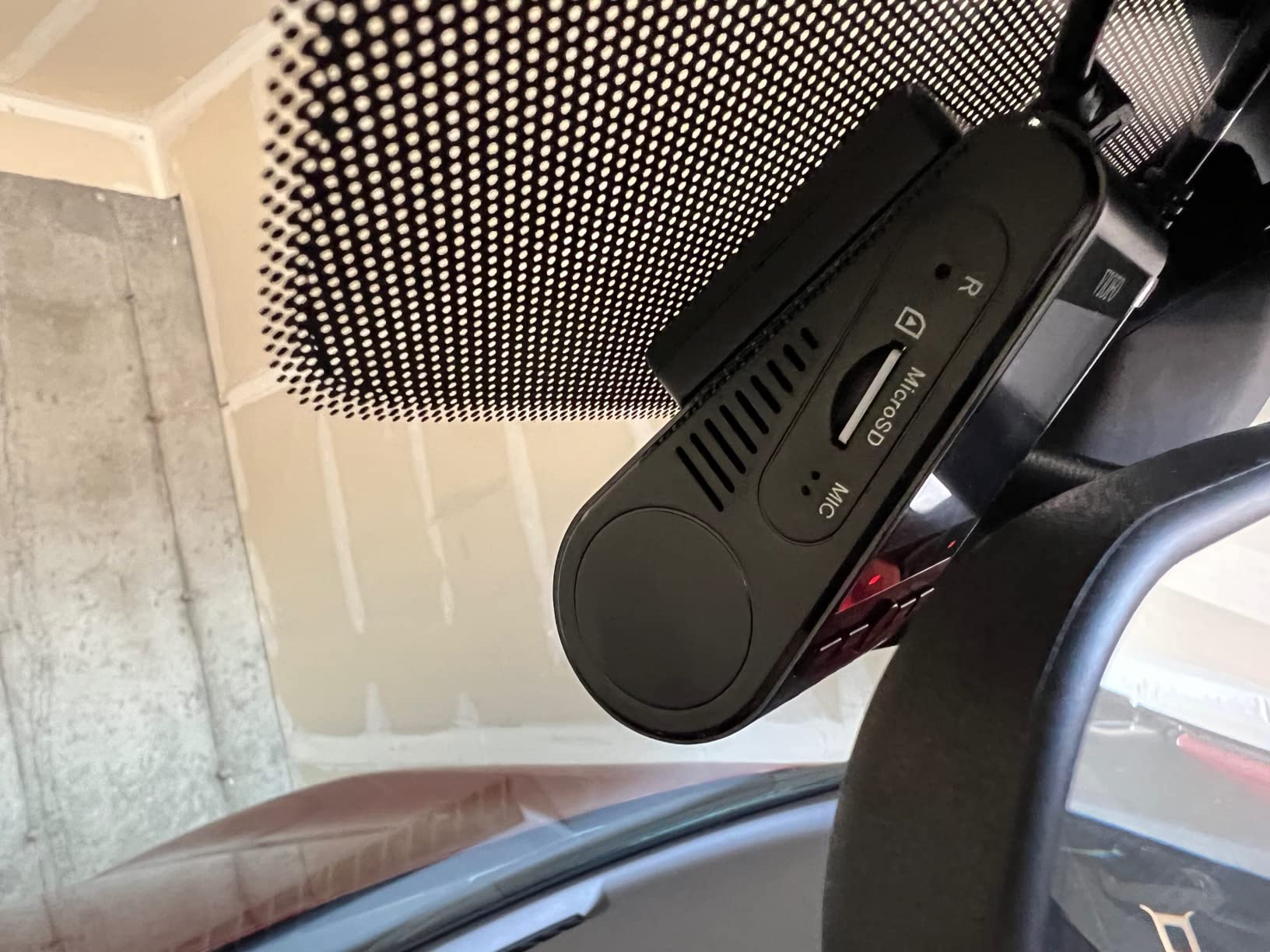
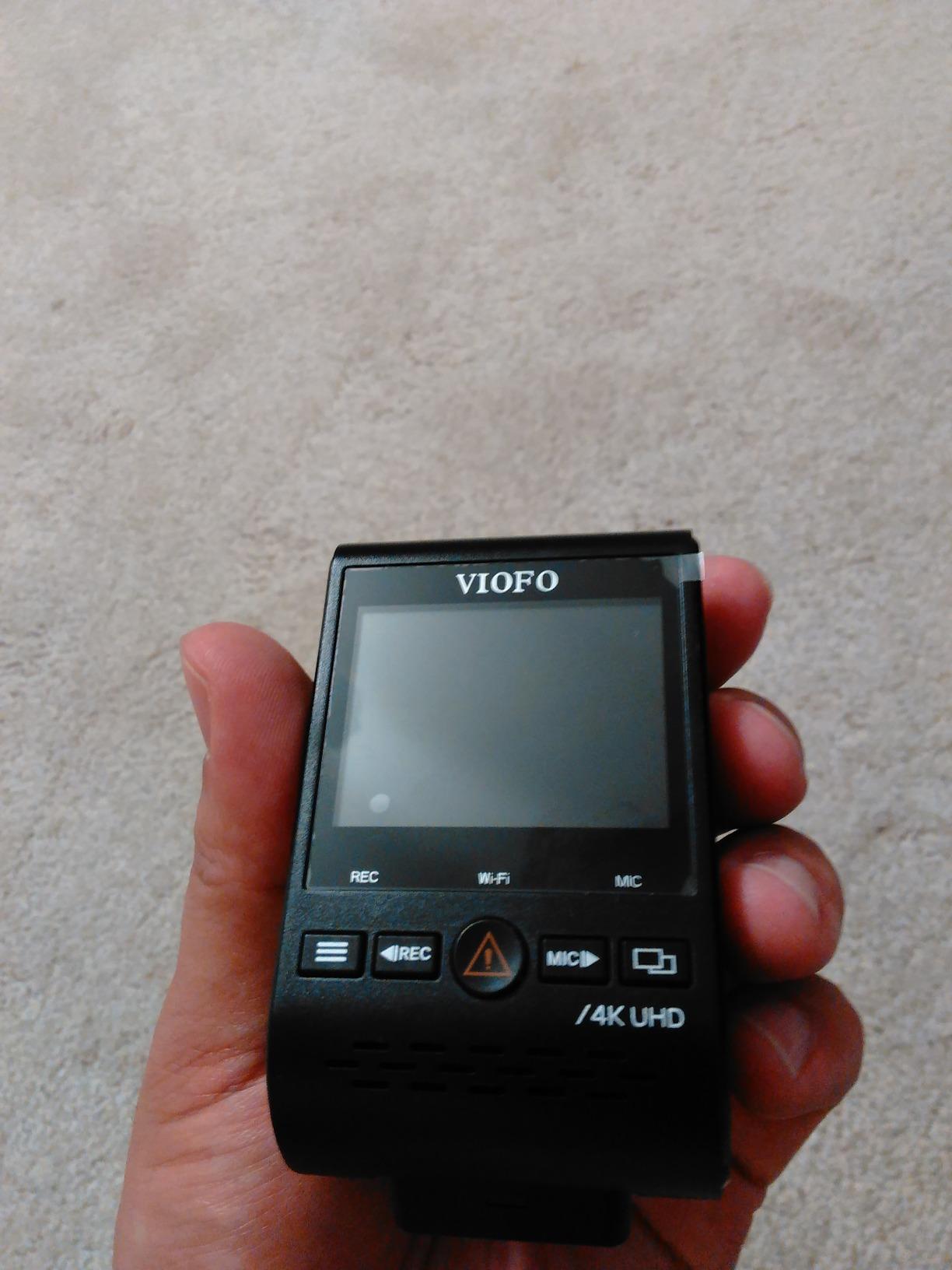
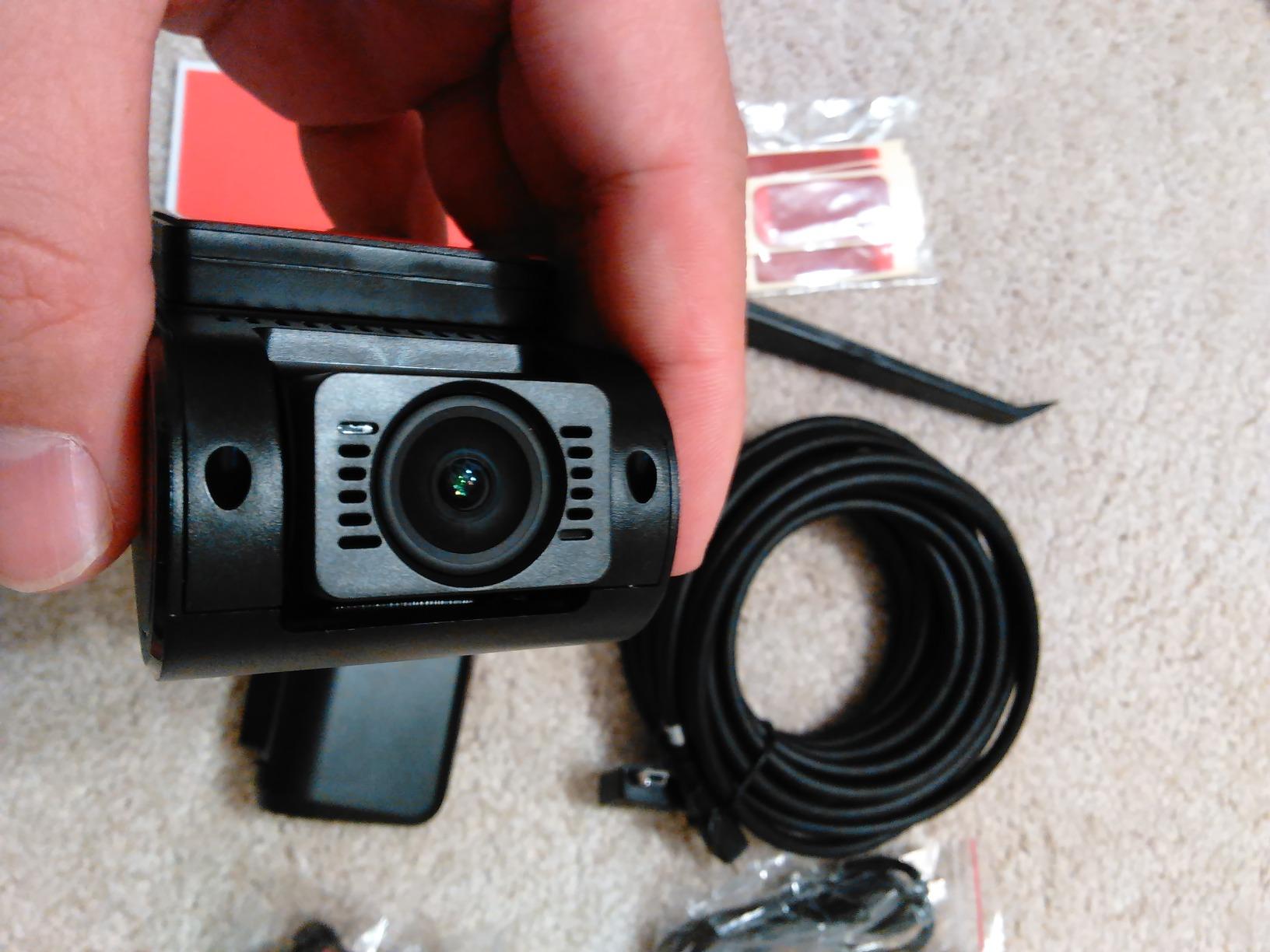
Pick up the front camera and the first thing you’ll notice is that it feels more solid than its price suggests. The housing is matte black polycarbonate — fingerprint-resistant and resistant to the kind of minor flexing you sometimes feel in budget dashcams. The lens housing feels precisely seated, without any wobble or play.
The button layout is minimal and sensible: a single multi-function button on top, a mode button on the side, and a microSD slot protected by a small rubber cover. The rear camera is similarly well-built but deliberately compact, designed to tuck into a rear windshield corner without drawing attention.
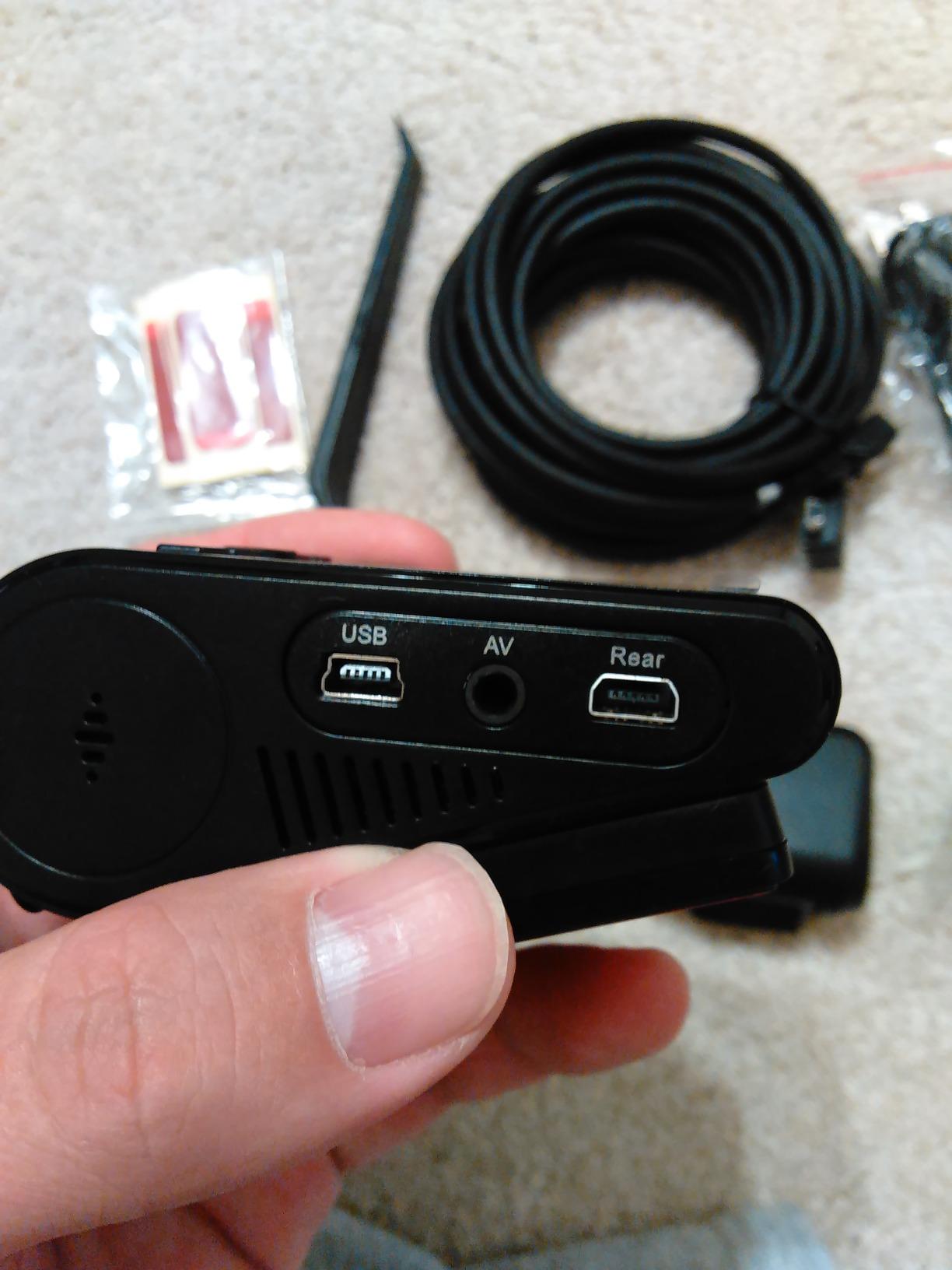
Both cameras connect via a miniUSB cable — older in the era of USB-C, but entirely functional. The cable connector on the rear camera feels secure, with no loose seating that might cause disconnection over speed bumps.
One genuine gripe: the adhesive mount is not as grippy as alternatives used by some competitors. In hot climates where your windshield gets baking hot on a summer afternoon, consider reinforcing the adhesive bond or using the suction cup mount instead. This is relevant if you’re parking in direct sun during summer.
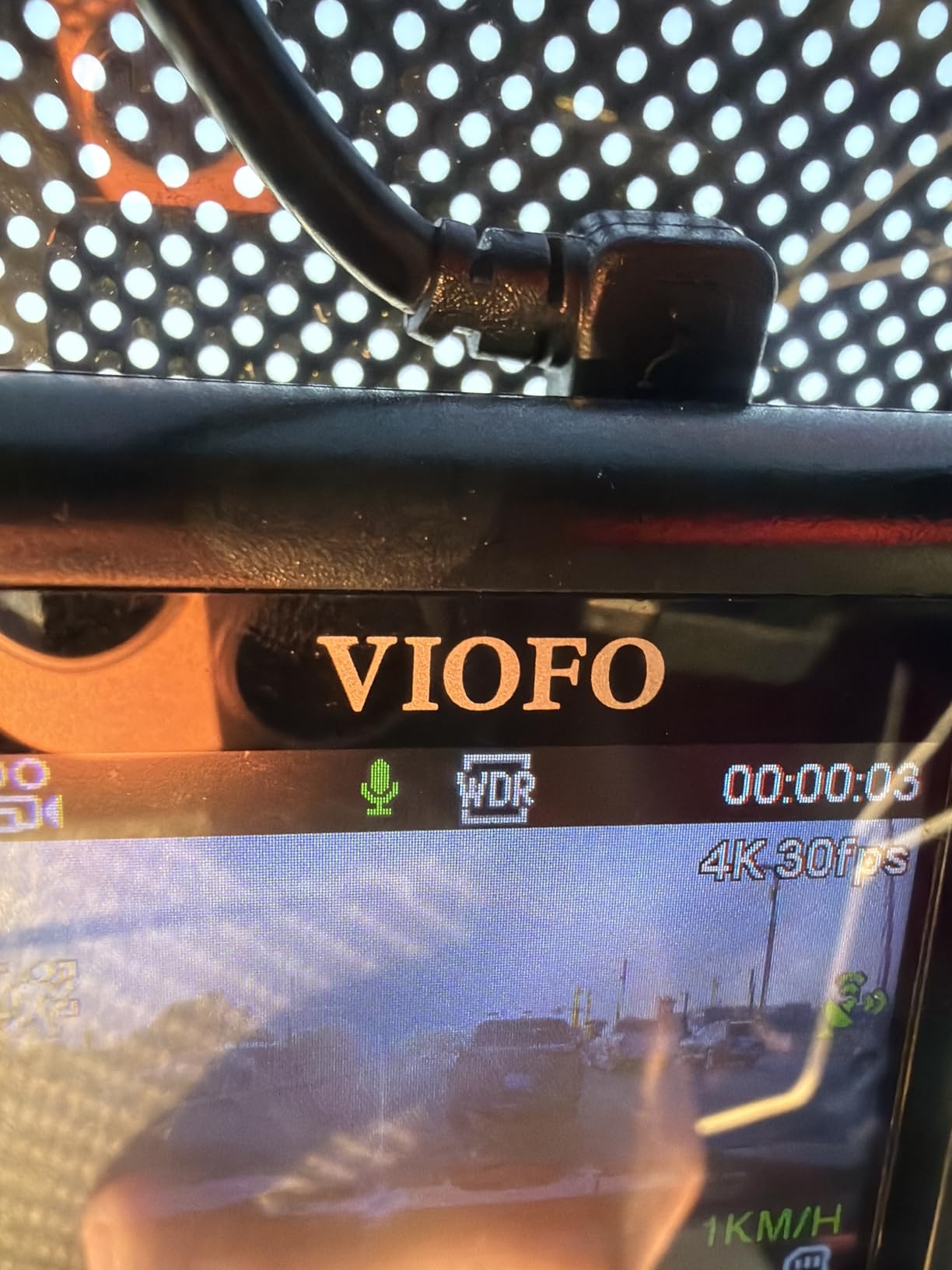
The front unit’s screen — a small 2.0-inch IPS display — is bright enough to use as a viewfinder during setup but not something you’ll stare at while driving. That’s by design. Dashcams aren’t meant to be distraction points. If you want to review footage on the go, the Wi-Fi app connection is far more practical.
Full Specifications
Before getting into real-world performance, here is the complete specification sheet for the A129 Pro Duo. These numbers will be important context for the performance sections that follow.
| Specification | Front Camera | Rear Camera |
|---|---|---|
| Image Sensor | Sony IMX335 | Sony IMX307 |
| Maximum Resolution | 4K (3840×2160) @ 24fps | 1080p (1920×1080) @ 30fps |
| Alternate Modes | 2560×1600 @ 30fps, 1440p @ 30fps, 1080p @ 60fps | 720p @ 60fps |
| Lens F-Stop | F/1.8 | F/2.0 |
| Field of View | 140° diagonal | 140° diagonal |
| HDR / WDR | Yes (HDR mode) | Yes (WDR) |
| GPS | Built-in | Via front unit |
| Wi-Fi | 5GHz 802.11ac | Via front unit |
| Parking Mode | Buffered + Time-lapse + Motion detection | Shared |
| G-Sensor | 3-axis (adjustable sensitivity) | N/A |
| Storage | microSD up to 256GB | Shared |
| Power Input | 5V / 2A via USB | Via front unit cable |
| Operating Temperature | -20°C to +60°C | -20°C to +60°C |
| Display (Front) | 2.0-inch IPS | N/A |
| Audio | Built-in microphone (mutable) | Optional via front unit |
| Loop Recording | 1 / 2 / 3 minute segments | Shared |
A few specification highlights worth expanding on. The Sony IMX335 front sensor is genuinely good — it’s the same class of sensor used in many cameras that cost significantly more. Sony’s STARVIS technology (used across the IMX3xx series) is specifically engineered for low-light performance, a quality that directly translates to legible license plate capture in real-world driving conditions. The F/1.8 aperture on the front lens is another genuine win for low-light; by comparison, many competitors in this class stick with F/2.0 or slower.
The 5GHz Wi-Fi is a meaningful upgrade over the 2.4GHz Wi-Fi found in many dashcams. In practice, this means faster clip transfers when pulling footage to your phone — a 90-second 4K clip that might take over a minute on a 2.4GHz connection transfers in closer to 20 seconds on 5GHz. It also means less interference in parking areas with dense Wi-Fi environments.
For 4K recording, you’ll want a fast microSD card. Look for cards rated at least U3 / V30 (minimum 30MB/s sustained write speed). Budget cards will cause dropped frames at 4K. Our 4K dashcam guide has specific card recommendations.
Front Camera Video Quality
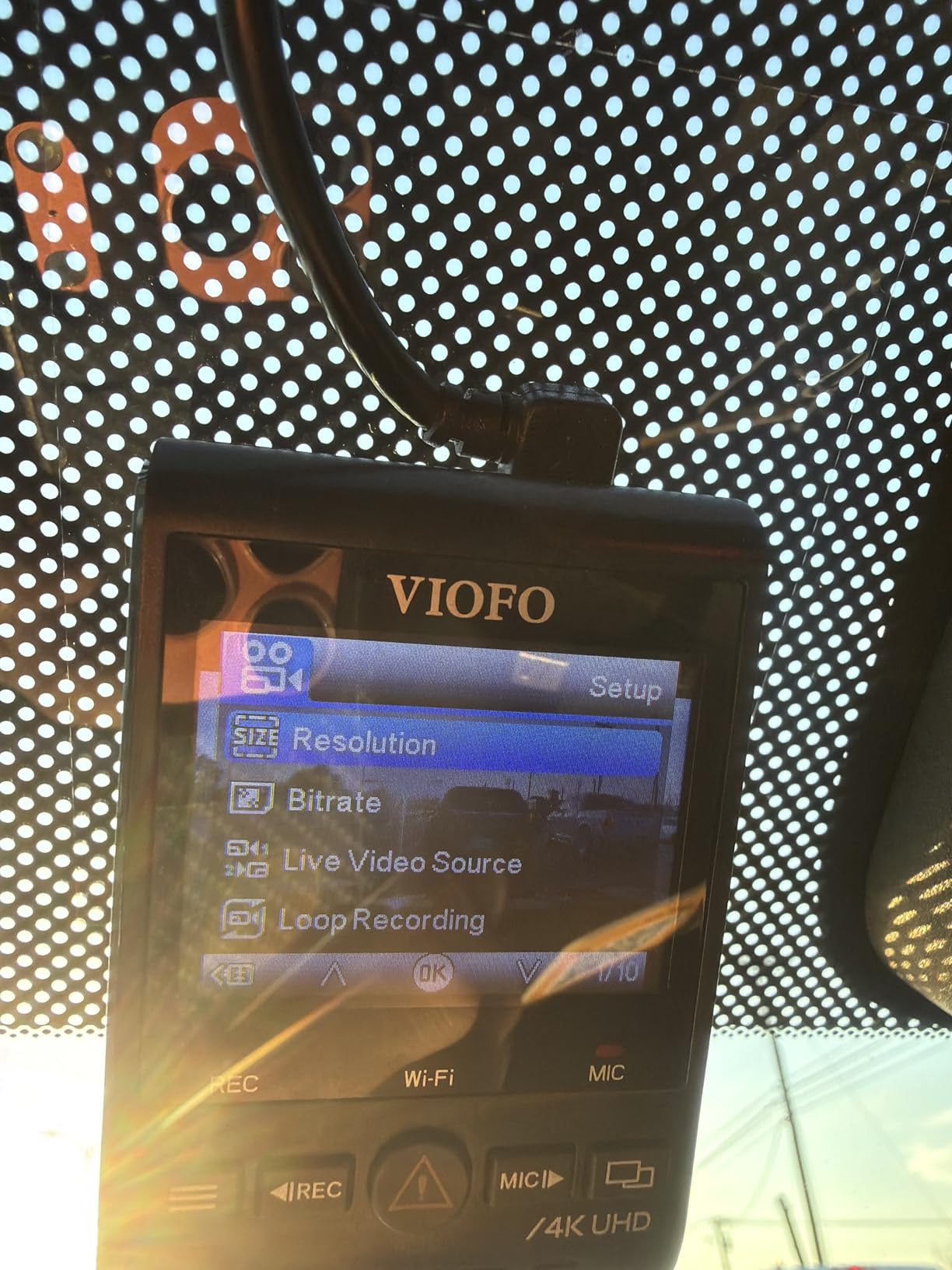
This is where the A129 Pro Duo earns its reputation. At 4K 24fps, the front camera captures a level of detail that genuinely matters when it counts. We tested the camera across varied lighting and road conditions, and the results are consistently impressive for the price bracket.
4K vs 1440p: Which Mode Should You Use?
The A129 Pro Duo gives you a choice of recording resolutions for the front camera, and this is an important practical decision — not just a spec-sheet comparison.
4K at 24fps: Maximum detail. License plates at a distance, street signs, vehicle makes and models — all captured with enough resolution to be genuinely useful as evidence. The trade-off is storage: a 256GB card fills up faster, and the 24fps framerate means fast-moving events have slightly less motion clarity than 60fps footage.
2560×1440 at 30fps: Our recommended mode for most users. You sacrifice about 36% of the pixel count compared to 4K, but you gain the smoother 30fps frame rate and substantially better storage efficiency. Real-world plate readability is still excellent. For day-to-day incident documentation, this sweet spot is where the camera shines most.
1080p at 60fps: The choice for highway driving where fast motion is a priority. You lose resolution but gain temporal clarity — useful for documenting rapid lane changes or vehicles cutting you off at speed. This is also the best mode for highway driving situations where events unfold quickly.
Daylight Performance
Under normal daylight conditions, the A129 Pro Duo front camera delivers footage that is genuinely excellent. Contrast is handled well, color reproduction is natural without the oversaturated look that some cameras use to make screenshots appear punchier than reality. The wide 140° field of view captures multiple lanes of traffic without the barrel distortion fish-eye effect that plagues some ultra-wide dashcams.
Text readability at distance is where this camera earns its place in the enthusiast category. License plates at 25–35 meters are consistently sharp and legible in clear daylight — a practical metric that matters more than any marketing resolution figure.
HDR Mode: When to Use It
HDR mode is designed for high-contrast scenes — think driving into a tunnel entrance or emerging from one, or navigating a bright highway where the oncoming sun creates a stark contrast against shadowed areas ahead. Enabling HDR sacrifices a small amount of maximum framerate headroom but produces noticeably better-balanced exposures in these situations. We recommend leaving HDR on by default; the trade-off is minimal and the benefit when it’s needed is significant.
See the A129 Pro Duo on Amazon
Check current pricing, bundle options, and availability for the complete dual-channel kit.
Check Price on AmazonRear Camera Performance
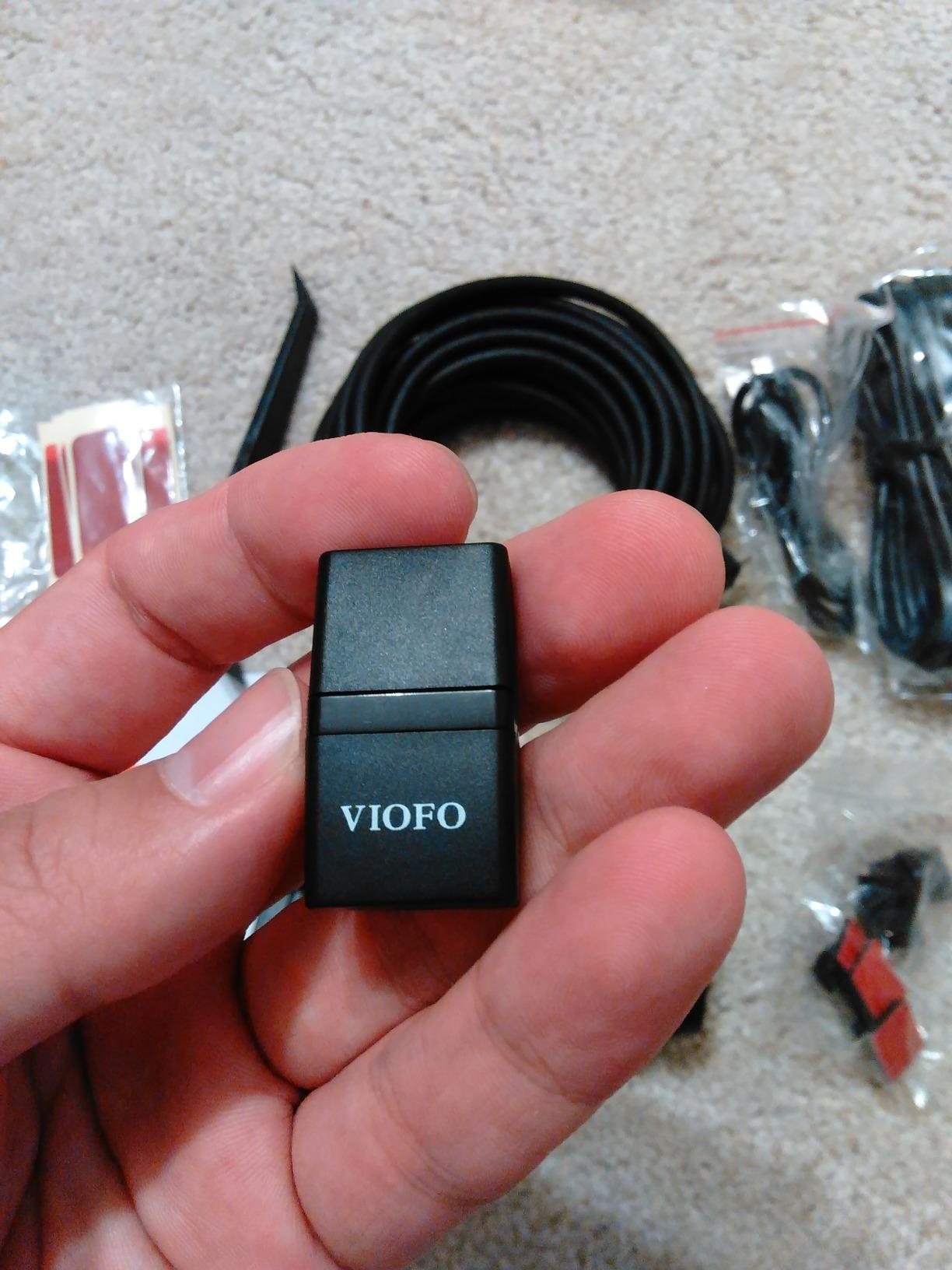
The rear camera is the part of the A129 Pro Duo that requires the most honest assessment, because understanding it correctly will determine whether the package meets your actual needs.
Recording at 1080p at 30fps using a Sony IMX307 sensor with an F/2.0 aperture and 140° field of view, the rear camera delivers what we’d describe as solid, functional performance — not groundbreaking, but entirely appropriate for its role. Consider what rear dashcam footage is primarily needed for: documenting a vehicle that rear-ended you, capturing a hit-and-run from behind, or monitoring what was happening around your parked car. In all these scenarios, 1080p footage is more than adequate.
What the Rear Camera Does Well
In good light, the rear camera captures clear, readable footage of vehicles behind you. Plates at 15–20 meters are legible without trouble. The wide 140° angle means that vehicles in adjacent lanes (relevant for side-swipes from the rear) are included in the frame. WDR mode helps manage the contrast between a brightly lit sky and vehicles beneath it — a common challenge for rear-facing cameras mounted at windshield height.
Where the Rear Camera Has Limitations
Low light is where the rear camera shows its price-class origins. While far from terrible, the IMX307 sensor doesn’t match the IMX335’s performance in darkness. You’ll notice more grain in dimly lit street conditions, and plate readability at distance drops noticeably after dark. For most incident scenarios — daytime rear-enders, parking lot bumps — this isn’t an issue. But if you park frequently in poorly lit areas, you should know that the rear camera is your weaker link at night.
The 1080p limitation is also worth understanding in context. When you’re comparing the front and rear footage side by side — perhaps to reconstruct an incident — the quality gap is noticeable. This is a deliberate design and pricing decision by Viofo, and it’s the standard approach across virtually all dual-channel cameras at this price point. A true 4K rear camera at this price would be a genuinely extraordinary value proposition that doesn’t exist yet in the market.
Night Vision & Low-Light Performance
Night performance is where the Sony IMX335 sensor truly earns its place. The combination of the large sensor area, the F/1.8 aperture, and VIOFO’s processing pipeline produces low-light footage that is genuinely impressive at this price point. This matters enormously in practice — a significant portion of serious traffic incidents happen in reduced lighting conditions, and many dashcam systems at this price tier produce footage that’s too grainy to be useful after dark.
Under Streetlights (Urban Night)
In a typical urban nighttime environment — lit roads, ambient light from storefronts, streetlights every 30–40 meters — the A129 Pro Duo front camera handles itself extremely well. Plate readability is maintained on vehicles in the 15–25 meter range. The camera manages the difficult contrast between lit and dark areas better than many of its competitors, avoiding the “washed-out halos around lights” effect that plagues some wide-aperture dashcam lenses.
Unlit Rural Roads
This is the genuine challenge for any dashcam: complete or near-complete darkness beyond your own headlights. Here, the A129 Pro Duo captures what your headlights illuminate, but not much beyond that. This is true of virtually all passive dashcams (those without infrared illuminators) and is not a unique weakness of this model. Your headlight throw distance effectively defines the camera’s useful range at night. For safe night driving, ensuring your headlights are properly aimed is what extends the camera’s useful capture range.
Headlight Glare Handling
One area where the A129 Pro Duo genuinely impresses at night is its management of oncoming headlights. The HDR processing prevents the camera from blowing out the entire frame when a vehicle with bright headlights approaches — a common failure mode in cheaper cameras. The bright lights remain visible as lights, but don’t obliterate the surrounding scene detail as severely as you might expect.
For most urban and suburban commuters, the A129 Pro Duo’s night performance is more than sufficient. If you’re in the market for the best possible low-light dashcam available today, our best 4K dashcam for night driving roundup compares the top performers — but you’ll pay considerably more to beat what the A129 Pro Duo delivers here.
GPS, Wi-Fi & the VIOFO App
Both GPS and Wi-Fi are built into the front camera unit at no additional cost. On many competing dashcams — particularly those from brands that package GPS as a separate, paid module — this alone represents meaningful value.
GPS Performance
The built-in GPS records your vehicle’s speed and geographic coordinates directly into the video file metadata. Acquisition time from cold start is typically 30–90 seconds, which is normal for embedded GPS receivers. Once acquired, tracking is accurate and consistent across both urban canyons and open highways, with minimal signal drops.
The practical benefits of built-in GPS extend beyond novelty. In an insurance claim or legal situation, having recorded video with embedded speed data at the time of an incident is substantively different from video without it. Speed data metadata can corroborate your account of events. For drivers who frequently travel highways where speed limits vary — or who travel long cross-country routes — this is a genuinely useful feature rather than a marketing checkbox.
GPS data is viewable using the free VIOFO Player desktop application, which overlays your route on a map and shows speed at each point in the recording timeline. It’s functional, if not particularly polished.
5GHz Wi-Fi and the App
The 5GHz Wi-Fi connection gives the A129 Pro Duo a noticeably faster app experience than 2.4GHz competitors. Connecting is straightforward: enable Wi-Fi on the dashcam (a dedicated button press), connect your phone to the camera’s hotspot in your phone’s Wi-Fi settings, then open the VIOFO app.
The app itself — available on both iOS and Android — is functional without being polished. You can preview the live camera feed (useful for adjusting camera angle after mounting), browse and download recorded files, and modify key camera settings remotely. The interface feels utilitarian rather than designed, but everything that needs to work does work reliably.
File transfers over 5GHz Wi-Fi are genuinely fast enough to be practical. A typical 2–3 minute segment of 4K footage downloads to your phone in under 90 seconds in our testing, compared to the 3–4 minutes typical of 2.4GHz dashcam Wi-Fi. If you routinely pull footage after an incident, this time difference matters.
One app workflow tip: the VIOFO app lets you lock specific video segments directly from your phone without needing to handle the camera’s SD card. If you’ve just witnessed something you want to preserve, this is faster and safer than trying to find the file later.
Parking Mode Deep Dive
Parking mode is one of the A129 Pro Duo’s strongest selling points, and it’s implemented with more sophistication than most competitors at this price. Understanding how it works in practice is essential to getting the most from this feature.
The Three Parking Modes
Buffered Parking Mode is the headline feature. This is where the camera continuously records into a rolling buffer — storing the last 30 seconds of footage internally — and only writes a permanent clip when the G-sensor detects an impact. Critically, because of the buffer, the saved clip includes 30 seconds before the impact event, not just the aftermath. This is the difference between footage that shows a vehicle hitting your parked car and driving away, versus footage that starts the moment the car has already been damaged.
Motion Detection Parking Mode triggers recording when movement is detected in the camera’s field of view. This is more prone to false positives (pedestrians passing nearby, shadows from moving clouds) but captures events that might not generate enough force to trigger the G-sensor, such as door dings, key scratches, or someone looking into your car.
Time-lapse Parking Mode records a condensed version of the entire parking period — useful for reviewing an entire multi-hour parking session quickly, or when you simply want a complete record of what happened around your car without relying on impact triggers.
Power Requirements for Parking Mode
This is the critical practical detail that many reviews gloss over. Parking mode requires the dashcam to remain powered while your car is off. The included 12V charger only delivers power when the ignition is on. For proper parking mode functionality, you need a hardwire kit — a low-voltage cutoff device that connects directly to your car’s fuse box and cuts dashcam power if your battery drops below a set threshold (typically 11.6V–12V, configurable).
Hardwire kits are sold separately for around $15–25 and are a straightforward DIY installation for anyone comfortable locating their car’s fuse box. Without one, parking mode will eventually drain your battery — particularly if parking mode runs for several hours.
Parking in high-risk areas frequently? Combine parking mode with a well-chosen car care routine that includes checking for minor damage after parking lot incidents — the dashcam footage and the physical evidence together make for a much stronger insurance case.
A129 Pro Duo — Check Current Price
Includes front & rear cameras, all cables, mounts, and car charger. MicroSD sold separately.
Shop on AmazonInstallation Guide
Installing the A129 Pro Duo is a realistic DIY project for most car owners. The front camera is genuinely easy; the rear camera requires patience for cable routing but is not technically complex.
Front Camera Installation
Mount the front camera on the upper center of your windshield, behind the rearview mirror — this placement minimizes the camera’s visibility from outside the vehicle and keeps it out of your line of sight while driving. Use the adhesive mount if you need permanence, or the suction cup if you want to be able to remove the camera between uses.
Route the power cable along the top of the windshield, down the A-pillar, and across to the 12V socket. The included trim removal tool (a plastic pry tool) makes it easy to tuck the cable behind the headliner and door seals, resulting in a clean installation with no visible cable runs. This matters more than it sounds — a cable flapping across your dashboard is a distraction risk on every drive. Good defensive driving habits start with a distraction-free cabin.
Rear Camera Installation
The rear camera is where you’ll spend most of your installation time. The process is:
- Mount the rear camera in the upper center of your rear windshield using the adhesive mount or electrostatic sticker
- Route the approximately 6-meter cable from the rear camera along the rear hatch/trunk opening seal, across the headliner, and forward to the front camera unit — typically tucked behind the headliner trim
- Connect the rear camera cable to the port on the front unit
This cable routing process typically takes 30–60 minutes for a first-time installer. The good news: the supplied cable is long enough for most vehicles, including SUVs and wagons. The bad news: there’s no specific cable management solution in the box, so you’ll need to tuck cable runs yourself with the pry tool.
A129 Pro Duo vs The Competition
No review of the A129 Pro Duo is complete without placing it in the competitive landscape. Here’s how it compares to the dashcams it most commonly competes with in the dual-channel category.
| Camera | Front Res. | Rear Res. | GPS | Wi-Fi | Parking Mode | Price Tier |
|---|---|---|---|---|---|---|
| Viofo A129 Pro Duo | 4K | 1080p | Built-in | 5GHz | Buffered | Mid-range |
| BlackVue DR900X-2CH | 4K | 1080p | Built-in | Both bands | Buffered | Premium |
| Thinkware U1000 | 4K | 2K | Built-in | 2.4GHz | Buffered | Premium |
| 70mai A800S | 4K | 1080p | Module add-on | 2.4GHz | Motion only | Mid-range |
| Nextbase 622GW | 4K | 1080p (module) | Built-in | Both bands | Motion only | Premium |
| Vantrue N4 Pro | 2K | 1080p | Built-in | 5GHz | Buffered | Mid-range |
The most relevant comparison for most shoppers is the Viofo A129 Pro Duo vs Thinkware U1000. The Thinkware delivers a better rear camera resolution and a slightly more refined app experience — but at a substantially higher price. For buyers who want the best possible dual-channel system and are willing to pay for it, the Thinkware is compelling. For the large majority who want excellent performance without the premium price, the A129 Pro Duo is hard to displace.
The BlackVue DR900X-2CH is similarly excellent but also commands a significant price premium. BlackVue’s ecosystem appeal — Cloud connectivity, professional monitoring integrations — is real, but those features require ongoing subscription costs that add up over time. The A129 Pro Duo does everything most drivers actually need without any recurring fees.
Against the 70mai A800S at a similar price point, the A129 Pro Duo wins on GPS (built-in vs. add-on module), Wi-Fi speed (5GHz vs 2.4GHz), and parking mode sophistication (buffered vs. motion-detection only). Unless the 70mai’s specific aesthetic appeals to you, the A129 Pro Duo is the stronger package at comparable prices.
Pros, Cons & Who Should Buy
- Sony IMX335 front sensor delivers excellent real-world detail
- Buffered parking mode is genuinely useful — captures pre-event footage
- GPS and 5GHz Wi-Fi included at no extra cost
- Strong F/1.8 aperture for improved low-light capture
- 4K front recording at a mid-range price
- Good HDR handling for high-contrast scenes
- Compact, discreet front camera profile
- 256GB microSD support for extended recording time
- Operating temperature range suits both cold winters and hot summers
- Solid build quality that belies the price point
- Rear camera low-light performance is limited vs. the front
- Adhesive mount could be stickier for extreme heat
- App UI is functional but dated — not the slickest experience
- Parking mode requires a separate hardwire kit for extended use
- MicroUSB connection (not USB-C) feels like a missed upgrade
- No built-in cloud connectivity (no remote viewing away from car)
- Desktop VIOFO Player software is basic
Who Should Buy the A129 Pro Duo
The A129 Pro Duo is an excellent fit for drivers who want comprehensive, dual-channel dashcam coverage without paying the premium required for BlackVue or Thinkware. Specifically, this camera is ideal if:
- You want front and rear coverage in one purchase — the complete package matters to you
- Parking mode protection is a priority, particularly if you park in public areas regularly
- You want GPS data embedded in your footage for insurance and legal purposes
- You want 4K resolution on your front camera without a premium price
- You’re comfortable with a basic app experience in exchange for better hardware specs
Who Should Look Elsewhere
- If you need the best possible rear camera in low light, consider a premium dual-channel option or look specifically at cameras with dedicated rear IR night vision
- If cloud connectivity and remote live viewing matter to you, the BlackVue ecosystem is purpose-built for that use case
- If you want a completely plug-and-play parking mode without a hardwire kit, look for cameras with capacitor power banks or those that support battery packs
Ready to Buy? Check the Latest Price
The A129 Pro Duo is frequently on sale. Click below to see current pricing, deals, and in-stock availability.
View on AmazonFrequently Asked Questions
Does the Viofo A129 Pro Duo record in true 4K?
The front camera records at up to 4K (3840×2160) at 24fps using the Sony IMX335 sensor, which is genuine 4K footage. The rear camera records at 1080p. Both channels record simultaneously, giving you full dual-channel coverage at those resolutions.
Does the A129 Pro Duo require a memory card?
Yes — a microSD card is required and not included in the box. The camera supports cards up to 256GB. For 4K recording, use a high-endurance card rated at least U3 / V30 (30MB/s sustained write speed minimum). Standard consumer cards from general electronics stores often underperform in continuous-write dashcam use.
Can the A129 Pro Duo record while the car is parked?
Yes — it supports buffered parking mode (captures 30 seconds before and after a trigger event), motion detection parking mode, and time-lapse parking mode. For extended parking use, a hardwire kit is strongly recommended over the standard 12V charger to prevent battery drain.
Does the Viofo A129 Pro Duo have built-in GPS?
Yes, GPS is built directly into the front camera unit at no extra cost. It records your speed and route coordinates embedded in video metadata, viewable with the VIOFO Player software on PC/Mac. This is particularly useful for insurance purposes where speed at the time of an incident is relevant.
What is the field of view on both cameras?
Both the front and rear cameras offer 140° diagonal field of view. This is wide enough to capture multiple lanes in both directions without the extreme barrel distortion associated with 170°+ ultra-wide dashcam lenses.
Does it support Wi-Fi?
Yes, and specifically 5GHz Wi-Fi — a meaningful upgrade over the 2.4GHz found in many competing dashcams. The faster Wi-Fi band significantly speeds up clip transfers to your phone via the VIOFO app, and reduces connection interference in dense urban environments.
What happens to footage during a collision?
The built-in 3-axis G-sensor detects sudden impacts or hard braking and automatically locks the current video segment, preventing it from being overwritten by loop recording. G-sensor sensitivity is adjustable from the camera menu — important to calibrate correctly, as factory default may be too sensitive for rough road conditions or too insensitive for minor impacts.
Is the A129 Pro Duo hard to install?
The front camera installs in about 10–15 minutes. Routing the rear camera cable takes 30–60 minutes but requires no special tools beyond the included pry tool for tucking cable behind headliner trim. Most car owners find it a manageable weekend DIY project. Those unfamiliar with automotive interior work may prefer professional installation.
How does the A129 Pro Duo handle night driving?
The front camera’s Sony IMX335 sensor and F/1.8 aperture produce very good low-light footage, with readable plates under streetlights and good headlight glare management. The rear camera is decent but not class-leading in low light — a common trade-off at this price point. For urban and suburban night driving, overall night performance is well above average for the category.
What is the operating temperature range?
The A129 Pro Duo operates from -20°C to +60°C (-4°F to +140°F). This makes it suitable for both harsh winter conditions and hot summer environments, including parked-in-sun scenarios where dashboard temperatures can exceed 70°C — though at extreme temperatures, a capacitor-based (rather than battery-based) power storage design is worth noting. The A129 Pro Duo uses a supercapacitor, which handles temperature extremes better than lithium batteries.
Can I use a 256GB microSD card with the A129 Pro Duo?
Yes, 256GB is the officially supported maximum. At 4K recording, a 256GB card gives approximately 14–17 hours of footage before loop recording overwrites the oldest files. At 1440p, the same card stores approximately 24–30 hours of footage.
How does the A129 Pro Duo compare to single-channel dashcams?
Single-channel cameras can only document what happens in front of your vehicle. The A129 Pro Duo adds rear coverage, which is essential for documenting rear-end collisions (among the most common collision types), parking lot incidents from the rear, and situations where a vehicle approaches or passes behind you. For comprehensive incident documentation, dual-channel coverage provides substantially better protection.
Is the Viofo A129 Pro Duo Worth Buying?
After testing the A129 Pro Duo thoroughly across varied conditions, the verdict is clear: this is one of the strongest value propositions in dual-channel dashcams today. It delivers 4K front camera quality, a genuinely excellent Sony IMX335 sensor, buffered parking mode, built-in GPS, and fast 5GHz Wi-Fi — all at a price that should be substantially higher for everything it offers.
The trade-offs are real but understood: the rear camera isn’t going to challenge premium alternatives in extreme low-light conditions, the app experience is utilitarian rather than polished, and parking mode without a hardwire kit is limited. None of these are deal-breakers — they are honest trade-offs that a mid-range price demands.
For drivers who want proper dual-channel protection, GPS logging, and the ability to document incidents from both ends of their vehicle, the A129 Pro Duo remains one of the smartest purchases in the category. Paired with a good hardwire kit and a high-endurance microSD card, it’s a complete, capable dashcam system that will serve you reliably for years.
If you’re actively building out your car safety setup, a dual-channel dashcam is one of the highest-return additions you can make — and the A129 Pro Duo makes that investment accessible without compromise on the features that matter most.
Our rating: 8.7 / 10 — Highly Recommended for the price class.
Buy the Viofo A129 Pro Duo on Amazon