Extreme Heat Engine Care: Tips for Safe Driving
Heat doesn’t announce itself the way a snowstorm does. It works quietly, on rubber, coolant, and metal, until the day it doesn’t. Here’s what actually breaks down in extreme heat, and how to stay ahead of it.
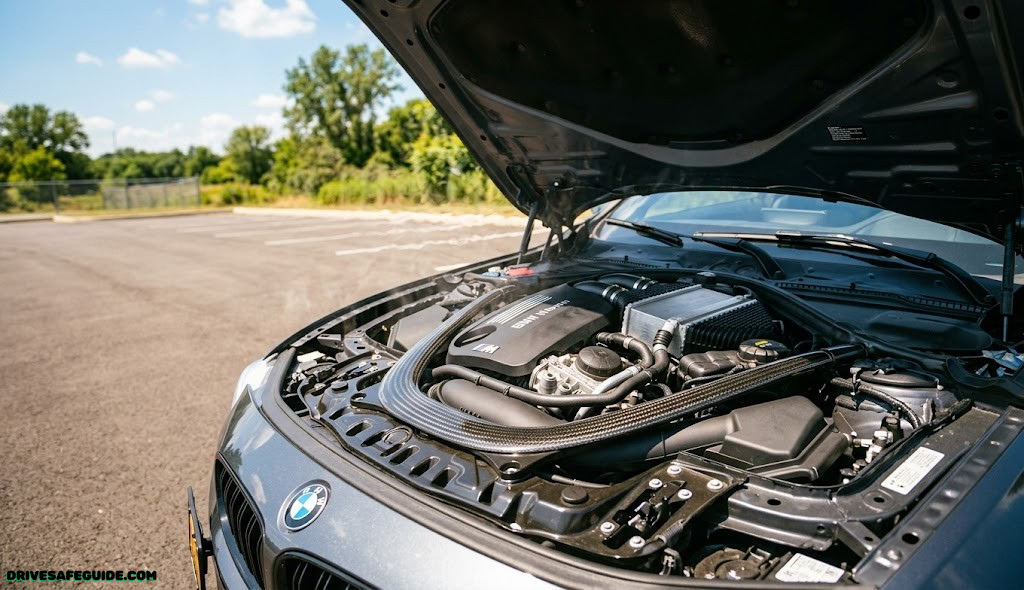
There’s a particular kind of dread that comes with watching a temperature gauge creep upward on a July afternoon, ten miles from the nearest exit, with nothing around but heat shimmer and dry grass. Extreme heat doesn’t cause dramatic, sudden engine failures nearly as often as people assume. It causes slow ones — a belt that’s been drying out for two summers, a coolant mixture that’s gone thin, a battery that’s been cooking under a black hood for three years and finally gives out on the one morning you’re already running late.
This guide walks through what heat actually does to a vehicle, system by system, and what a reasonable person can do about it without becoming their own mechanic. If you’re also dealing with a related issue, our guides on alternator failure symptoms and coolant leak detection go deeper into two of the components heat stresses the most.
Why Extreme Heat Is Brutal on an Engine
An internal combustion engine is already a heat-generating machine by design; it’s built to manage enormous amounts of thermal energy from the moment it starts. The entire cooling system, oil circuit, and even the electrical system are engineered around a fairly narrow window of acceptable operating temperature. Extreme ambient heat doesn’t just add a little warmth on top of that — it shrinks the margin the engine has to work with.
Under normal conditions, a radiator relies on a meaningful temperature difference between the coolant running through it and the air passing over its fins to shed heat efficiently. When outside air is already pushing 100°F or more, that temperature gradient narrows, and the radiator has to work harder to move the same amount of heat. Add stop-and-go traffic, where airflow across the grille all but disappears, and the margin narrows further still.
The compounding effect
What makes extreme heat particularly unforgiving is that it rarely stresses just one system. A hot day raises coolant temperature, which raises oil temperature, which increases friction and wear, which raises the load on the alternator to keep the battery charged while the AC compressor pulls extra power, which raises under-hood temperature even further. Each system’s stress compounds the next one’s, which is why heat-related breakdowns often look sudden even though the underlying wear was building for weeks or months.

Recommended Tool
Digital Tire Pressure Gauge (0.1 PSI Accuracy)
Check Price on AmazonAs an Amazon Associate, DriveSafeGuide earns from qualifying purchases.
Your Cooling System Under Heat Stress
The cooling system is the single biggest determinant of how well a vehicle handles extreme heat, and it’s worth understanding the pieces that make it up rather than treating it as one mysterious black box under the hood.
Radiator condition
A radiator that’s partially clogged internally, or has its external fins packed with road debris and dead insects, loses a surprising amount of its heat-shedding capacity. This is invisible from the driver’s seat until the day the margin runs out.
Thermostat behavior
A thermostat stuck partially closed restricts coolant flow and can cause overheating that seems to come out of nowhere, often specifically in hot weather when the system has no spare capacity to compensate for restricted flow.
Radiator fan and fan clutch
At highway speeds, airflow through the grille often does most of the cooling work. At idle or in slow traffic, the electric or belt-driven fan becomes the primary way heat gets pulled through the radiator. A weak fan, failing fan clutch, or fan control module going bad is one of the more common reasons vehicles overheat specifically in city traffic on hot days but seem fine on the open highway.
Water pump
The water pump keeps coolant circulating under pressure. A worn bearing or a slipping pulley reduces flow rate exactly when the system needs full circulation the most.
| Cooling System Component | Heat-Related Failure Mode | Typical Warning Sign |
|---|---|---|
| Radiator | Clogged fins or internal scale reduce heat transfer | Gauge creeps up in traffic, fine on highway |
| Thermostat | Sticks partially closed under heat load | Erratic gauge behavior, slow warmup then sudden spike |
| Cooling fan | Motor or clutch weakens, airflow drops at idle | Overheating specifically at idle or low speed |
| Water pump | Bearing wear reduces coolant circulation | Whining noise, coolant leak at pump seal |
| Radiator cap | Weak seal fails to hold system pressure | Coolant loss without a visible external leak |
Coolant: The First Line of Defense
Coolant does two jobs that matter more in extreme heat than people usually realize: it carries heat away from the engine block, and it raises the boiling point of the fluid in the system well above what plain water could handle. A properly mixed coolant, usually somewhere near a 50/50 ratio with water, can handle much higher temperatures before boiling than water alone.
Why the mixture ratio matters
Coolant that’s been topped off repeatedly with plain water over the years can drift toward a weaker mixture than the vehicle was designed for, quietly lowering its boiling point right as summer temperatures push the system harder. A simple check with an inexpensive refractometer or test strips can confirm the mixture is still in the right range.
Coolant age and additive breakdown
Coolant isn’t just water and antifreeze — it contains corrosion inhibitors and additives that break down over time and heat cycles. Old coolant can still look fine while having lost much of its protective capacity, which is part of why manufacturers specify a coolant replacement interval rather than a “replace only when it looks bad” approach.
Signs your coolant needs attention
- A sweet smell near the front of the vehicle, especially after the AC has been running
- Coolant that looks rusty, cloudy, or has visible particles
- Reservoir level dropping gradually over weeks with no visible external leak
- A white, crusty residue around hose connections or the radiator
Our guide on coolant leak detection covers how to trace a slow leak before it becomes a summer breakdown, and the guide on flushing a radiator at home walks through refreshing old coolant yourself.
Engine Oil in High Temperatures
Engine oil has a harder job in extreme heat than most drivers give it credit for. It’s not just lubricating metal-on-metal contact — it’s also carrying heat away from the pistons, bearings, and other internal components toward the oil pan and, in many vehicles, an oil cooler.
Viscosity and heat
Oil naturally thins as it heats up, and if it thins too much it can lose the ability to maintain a protective film between moving parts, which accelerates wear. This is exactly why viscosity ratings like 5W-30 or 0W-20 specify behavior at both cold and hot temperatures — the second number in that rating describes how the oil behaves once it’s hot.
Synthetic vs. conventional in hot climates
Full synthetic oils are formulated to resist the kind of molecular breakdown that heat accelerates in conventional oil. This is part of why many manufacturers now specify synthetic as standard equipment, and it’s a particularly relevant choice for anyone driving regularly in a hot climate or towing in summer conditions. Our guide on engine oil viscosity grades breaks down how to match a grade to your climate and driving conditions.
Synthetic Oil in Heat
- Resists thermal breakdown and oxidation better
- Maintains protective film at higher temperatures
- Longer service intervals in most vehicles
Trade-Offs to Know
- Higher cost per oil change
- No benefit if the base engine already has an underlying leak or wear issue
- Must still be changed on schedule, not just “when it looks fine”
Checking oil level in summer
Running an engine even slightly low on oil is far less forgiving in extreme heat than in mild weather, since there’s less oil volume available to absorb and carry heat. A monthly dipstick check during hot months is a small habit that prevents a disproportionately large problem.

Recommended Product
Full Synthetic Motor Oil, Hot-Climate Rated
Check Price on AmazonAs an Amazon Associate, DriveSafeGuide earns from qualifying purchases.
Belts, Alternator, and Electrical Strain
Rubber components are among the most heat-sensitive parts on the entire vehicle, and the serpentine belt is a good example of something that degrades quietly under sustained heat exposure until it fails abruptly.
Belt degradation from heat
Repeated heat cycling causes rubber compounds to harden and crack over time, and a belt that looks intact from a quick glance can be one hot afternoon away from snapping. Since the serpentine belt typically drives the alternator, power steering pump, and water pump, its failure cascades into several systems at once. Our detailed guide on serpentine belt replacement signs covers exactly what cracking, glazing, and fraying look like before a belt fails.
Alternator strain
Extreme heat raises the load on the electrical system directly, since AC compressors, cooling fans, and infotainment systems all draw more current in hot weather. An alternator that’s already marginal often reveals itself first during a heatwave rather than during milder conditions, simply because it’s being asked to do more work in a less forgiving thermal environment. The guide on alternator failure symptoms is worth bookmarking if you notice dimming headlights or a battery warning light in hot weather.
What heat-damaged belts and hoses look like
- Fine cracks running across the ribbed surface of a belt
- A glazed, shiny appearance on belt surfaces from heat and slippage
- Hoses that feel unusually soft, spongy, or brittle when squeezed cool
- Visible bulging on a coolant hose near a clamp or bend
Tire Pressure and Heat: A Dangerous Combination
Tires are one of the most heat-sensitive safety systems on a vehicle, and the relationship between ambient temperature, road surface temperature, and tire pressure catches a lot of drivers off guard.
How much pressure actually changes
As a rough rule of thumb, tire pressure rises about 1 psi for every 10°F increase in temperature. On top of that, hot asphalt itself adds friction-driven heat to a tire that’s already running at highway speed, which can push pressure meaningfully higher than a simple ambient temperature calculation alone would suggest.
Why overinflated hot tires are a real risk
A tire that’s correctly inflated in a cool morning garage can be running several psi higher by mid-afternoon on a summer highway. Combined with reduced tread depth or an existing structural weakness, this is a meaningful contributor to blowouts, which is why summer tire failures cluster disproportionately on long highway stretches during heatwaves. For a deeper comparison of seasonal tire choices, see our guide on summer tires vs. all-season tires.
| Condition | Typical Pressure Behavior | Recommended Action |
|---|---|---|
| Cool morning, garage-parked | Baseline manufacturer-recommended pressure | Best time to check and set pressure |
| Midday direct sun, parking lot | Rises 3–6 psi above cool baseline | Do not “correct” pressure down while hot |
| Extended highway driving in heat | Further rise from tire flex and friction | Watch for TPMS warnings, avoid sustained high speed on worn tires |
| Underinflated tire in extreme heat | Excess sidewall flex generates additional heat internally | Higher blowout risk than overinflation in most cases |
It’s worth noting that underinflation is generally the more dangerous end of the spectrum in extreme heat, since a soft tire flexes more with every rotation, and that flexing itself generates internal heat that adds to what the road surface is already producing. Checking pressure with a reliable gauge, ideally in the morning before the tire has had a chance to heat up, remains one of the simplest and most effective habits for summer safety. Our guide comparing a digital vs. analog tire gauge can help you pick a reliable tool if you don’t already carry one.
Battery Health in Extreme Heat
It’s a common assumption that batteries die in winter, and there’s some truth to that from a symptom perspective — a weak battery often reveals itself on the first genuinely cold morning. But the underlying damage that leads to that failure is very often done by heat, months earlier.
Why heat is harder on batteries than cold
High temperatures accelerate the internal chemical reactions inside a lead-acid battery, including the corrosion processes that gradually degrade the internal plates. This means a battery baking under a hot hood for several summers can lose capacity years before its rated lifespan would suggest, even if it’s never been tested in freezing conditions.
Signs of heat-related battery stress
- Swelling or slight bulging of the battery case
- Corrosion buildup around the terminals, more than expected for the battery’s age
- A battery that tests weak on a load test despite being only two or three years old
- A rotten-egg smell near the battery, which can indicate internal breakdown
Getting the battery load-tested at the start of hot-weather season, rather than waiting for a failure, is a small step that avoids a disproportionate amount of roadside trouble. If you’re comparing testing methods, our guide on load testers vs. conductance testers explains the difference.

Recommended Backup
Compact Lithium Jump Starter
Check Price on AmazonAs an Amazon Associate, DriveSafeGuide earns from qualifying purchases.
Fuel System Vulnerabilities When It’s Hot
The fuel system isn’t the first thing most drivers think of during a heatwave, but it has its own set of heat-related weak points worth knowing about.
Vapor lock and fuel line heat
In older vehicles with carbureted fuel systems or fuel lines routed close to the exhaust, extreme heat can cause fuel to vaporize inside the line before it reaches the engine, a phenomenon known as vapor lock. Most modern fuel-injected vehicles are far less prone to this, since fuel is pressurized and often returned to the tank, but it’s still a consideration for older or modified vehicles.
Fuel pump strain
Extreme heat, combined with a fuel level that’s frequently allowed to run low, can shorten the life of an electric fuel pump, since fuel itself helps cool the pump and a low tank means less fluid available for that job. Our guide on the symptoms of a failing fuel pump covers the warning signs worth watching for.
Evaporative emissions system
Extreme heat can also push a vehicle’s evaporative emissions system, which manages fuel vapor, into triggering a check engine light purely from thermal expansion of fuel vapor in the tank, especially if the gas cap seal is even slightly worn.
Cabin and Climate Control Considerations
Extreme heat is also a driver-safety issue that goes beyond mechanical wear. A cabin that’s been sitting in direct sun can reach temperatures far higher than the outside air, and that has real implications for both comfort and safety.
AC system load
Running the air conditioning system does add measurable load to the engine, particularly through the AC compressor, but a properly functioning cooling and charging system is designed to absorb that load without issue. Problems tend to appear only when the cooling system was already marginal, in which case AC use can be the difference between manageable heat and an overheating incident.
Sun exposure and driver fatigue
Direct sun glare and a hot cabin both contribute to driver fatigue in ways that are easy to underestimate. Our guides on sun glare visor solutions and window tint darkness limits cover two practical ways to reduce heat and glare load on the driver without running afoul of local tint laws.
Never leave people or pets in a hot vehicle
This deserves its own mention separate from mechanical concerns: cabin temperatures can climb into dangerous territory within minutes on a hot day, even with windows cracked. This is a leading cause of preventable heat-related injury and death every year, and it applies regardless of how “quick” an errand is expected to be.
Pre-Drive Heat Checklist
Before any significant drive during extreme heat, a short walk-around and a few quick checks can catch most of the issues covered above while they’re still minor.
- Coolant level and condition — check the reservoir when the engine is cool, and look for discoloration or debris.
- Oil level and last change date — confirm the dipstick reads in range and the oil isn’t overdue.
- Tire pressure, checked cold — set pressure in the morning before the tires have warmed up.
- Belt and hose visual check — look for cracking, glazing, or soft spots.
- Battery terminals — check for corrosion buildup or a loose connection.
- Cabin air filter — a clogged filter makes the AC work harder for less cooling.
- Emergency water and basic tools — worth carrying on any long summer drive.
If you’re heading out on a longer trip, our broader road trip essentials checklist and guide to preparing your car for road trip safety checks both pair well with this list for anything beyond a normal commute.
What To Do If Your Engine Overheats On the Road
Despite good preparation, overheating can still happen, particularly in stop-and-go traffic during an extended heatwave. Knowing the right response in the moment matters more than most drivers realize.
Immediate steps
- Turn off the air conditioning immediately to reduce engine load.
- Turn the cabin heater to full hot and the fan to high — this sounds counterintuitive, but it pulls heat away from the engine and through the cabin heater core.
- Look for a safe place to pull over — a shoulder, exit ramp, or parking lot — rather than continuing to push through traffic on a climbing gauge.
- Once stopped, turn the engine off and open the hood to let heat dissipate, but do not open the radiator cap while the system is hot and pressurized.
- Wait at least 20–30 minutes before checking coolant level, and never add cold water or coolant to a hot engine.
When to call for help instead of continuing
If the gauge has been in the red zone, if you see steam, or if there’s a strong smell of coolant, it’s worth arranging a tow rather than attempting to drive even a short remaining distance. Continuing to drive an overheating engine is one of the more reliable ways to turn an inexpensive repair into a much larger one. Our guide on building a car safety kit covers what’s worth having on hand for exactly this kind of situation.
Long-Term Habits for Hot-Climate Vehicle Owners
For drivers in consistently hot regions, a handful of ongoing habits do more for long-term reliability than any single repair.
Parking strategy
Parking in shade, or using a reflective windshield sunshade, reduces cabin and under-hood soak temperatures meaningfully over the course of a day, which in turn reduces cumulative heat stress on rubber and plastic components.
Shorter maintenance intervals
Many manufacturers list a “severe service” maintenance schedule specifically for hot-climate and dusty conditions, which typically calls for more frequent oil changes and coolant service than the standard schedule. Following the severe-service interval is a reasonable default for anyone in a consistently hot region.
Proactive replacement of heat-sensitive parts
Rather than waiting for a belt, hose, or battery to fail outright, many hot-climate owners choose to replace these parts on a fixed schedule based on age rather than symptoms alone, since heat-driven degradation doesn’t always show obvious warning signs before failure.
Electric and hybrid vehicle considerations
Electric and hybrid vehicles bring their own heat considerations, since their high-voltage battery packs rely on thermal management systems that work harder in extreme heat, which can affect both charging speed and long-term battery degradation. Our guides on EV battery range in extreme conditions and hybrid vehicle maintenance go into more detail for owners of those vehicles specifically.
Proactive Hot-Climate Care
- Fewer roadside breakdowns during peak heat months
- Parts replaced on a schedule rather than after failure
- Lower long-term repair costs from caught-early issues
Reactive-Only Approach
- Higher risk of a breakdown in an inconvenient or unsafe location
- Compounding failures — one part’s failure stresses the next
- Often costs more overall once towing and cascading repairs are factored in

Recommended Product
Reflective Windshield Sunshade, Custom Fit
Check Price on AmazonAs an Amazon Associate, DriveSafeGuide earns from qualifying purchases.
Frequently Asked Questions
How hot does it have to be outside to damage an engine?
Ambient temperatures above roughly 95°F (35°C) start to meaningfully raise under-hood temperatures, especially in stop-and-go traffic where airflow across the radiator drops. Combined with an already-marginal cooling system, this range is where overheating incidents climb sharply.
Can extreme heat cause a check engine light?
Yes. High ambient heat can push coolant, oil, or intake air temperature sensors past their normal range, triggering codes related to overheating, knock, or evaporative emissions even when nothing is mechanically broken yet.
Is it bad to run the AC on max during a heatwave?
Running the AC adds some load to the engine, but a properly functioning cooling system is designed to handle it. Problems arise only when the cooling system is already weak, in which case the added load can be the final push toward overheating.
How often should I check coolant in summer?
A monthly visual check of the coolant reservoir level and a look for residue or a sweet smell near the radiator is a reasonable baseline in hot climates, with an added check before any long highway drive.
Does tire pressure really change with heat?
Yes. Tire pressure rises roughly 1 psi for every 10°F increase in temperature, and hot pavement adds to that through friction, so a tire set correctly in the cool morning can run notably higher by afternoon.
What’s the first thing to do if the temperature gauge spikes?
Turn off the AC, turn the cabin heater to full hot to pull heat off the engine, and get to a safe shoulder or exit as soon as possible rather than continuing to drive on a climbing gauge.
Should I pour water on an overheated engine?
No. Pouring cold water on a hot engine block or radiator can cause the metal to crack from thermal shock. Let the vehicle cool naturally with the hood open before adding any fluid.
Is synthetic oil better for extreme heat?
Full synthetic oil generally resists heat-driven thinning and oxidation better than conventional oil, which is why many manufacturers recommend it as standard equipment in hot-climate regions.
Can a car battery die from heat instead of cold?
Yes, and heat is actually the more common cause of long-term battery failure. High temperatures accelerate the internal chemical breakdown of a battery, which is why batteries in hot climates often fail years earlier than the same battery in a cooler region.
How do I know if my radiator fan is working?
With the engine warmed up and idling, the fan should switch on once the temperature gauge climbs into its normal operating range or the AC is running. If it never engages, or only spins when you manually jostle the wiring, it needs inspection.
Does extreme heat affect fuel economy?
Very hot weather can modestly reduce fuel economy, partly from AC load and partly because hot air is less dense, which can affect engine efficiency slightly compared to cooler conditions.
Are electric and hybrid vehicles more vulnerable to heat?
Electric and hybrid vehicles rely on battery thermal management systems that work harder in extreme heat, which can affect charging speed and long-term battery health if the vehicle is frequently parked and charged in direct sun.
The Bottom Line
Extreme heat rarely breaks a healthy vehicle outright. What it does, reliably, is find whatever was already marginal — a belt on its last season, a battery that’s been quietly losing capacity, a coolant mixture that’s drifted weaker than it should be — and push it the rest of the way to failure, usually at the least convenient possible moment. The good news is that almost everything covered here is checkable with basic tools in about fifteen minutes, and most of it costs far less to address proactively than to fix on the side of a highway in July.
Before your next hot-weather drive, run through the pre-drive checklist above, and consider pairing it with our guides on building a car safety kit and defensive driving habits for a more complete approach to safe summer driving.
🔧 Recommended Tool
Read Your Car’s Fault Codes at Home
An OBD2 scanner lets you diagnose check engine lights, clear fault codes, and monitor your car’s health — without paying a mechanic every time.
🔧 Shop OBD2 Scanners on AmazonAffiliate link — we earn a small commission that keeps DriveSafeGuide running. Thank you!