Recognizing the Symptoms of a Failing Fuel Pump
Sputtering, stalling, whining noises, or a car that just won’t start — here’s how to tell whether your fuel pump is on its way out before it leaves you stranded.

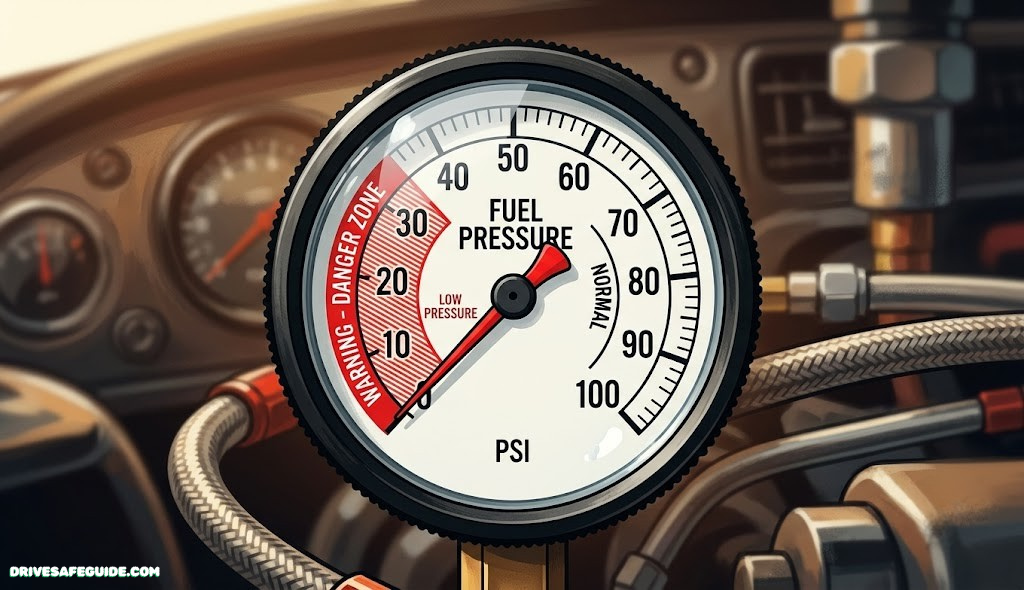
There’s a specific kind of dread that comes from your engine hesitating at a green light, or from turning the key and getting nothing but a weak, uncertain crank. More often than not, the culprit hiding behind these moments is the fuel pump — a component that works constantly, out of sight, inside your fuel tank, and rarely gives you much warning before it quits for good.
The good news is that fuel pumps almost never fail instantly. They degrade. And that degradation shows up as a pattern of symptoms that, once you know what to look for, are fairly easy to recognize. This guide walks through every major warning sign, explains why it happens, and helps you tell a failing pump apart from other issues that can look similar on the surface, like a clogged filter, a weak battery, or a failing alternator.
We’ll go roughly in the order these symptoms tend to appear, from the subtle early warning signs that show up long before anything feels seriously wrong, through the more advanced symptoms that mean a pump is close to complete failure. Along the way, we’ll also cover the tests you can run yourself with basic tools, the trouble codes a scan tool might surface, and how to weigh a DIY repair against having a shop handle it. By the end, you should be able to look at your own car’s recent behavior and have a genuinely informed sense of whether the fuel pump deserves a closer look.
1. How a Fuel Pump Actually Works (And Why It Fails)
Before you can recognize a failing fuel pump, it helps to understand what the part is actually doing every time you drive. In most modern vehicles, the fuel pump sits inside the fuel tank, submerged in gasoline, where the fuel itself acts as a coolant and lubricant for the pump’s internal motor. The pump’s job is to draw fuel from the tank and push it through the fuel lines to the engine at a specific, steady pressure — typically somewhere between 30 and 80 psi depending on whether your vehicle uses port injection or direct injection.
That pressure has to stay consistent. Too little, and the engine runs lean, misfires, or hesitates. Too much (rare, but possible with a failing pressure regulator) and you can get rough idling or fuel odor. The pump itself contains a small electric motor, an impeller or gear mechanism, and a set of brushes or bearings that wear down slowly over tens of thousands of miles. Heat, contaminated fuel, running the tank consistently low, and simple old age are the main things that wear a pump out.
This is why fuel pump failure is progressive rather than sudden in the vast majority of cases. The internal components degrade gradually, the pump’s ability to maintain pressure under demand slips first, and only later does it lose the ability to run at all. That progression is exactly why the symptoms below tend to appear in a rough order, starting subtle and ending abrupt.
It’s also worth understanding the two broad pump designs you’ll encounter. Older vehicles and some budget models still use a mechanical pump mounted on the engine, driven directly by the camshaft, though this design has largely disappeared from modern cars. The overwhelming majority of vehicles on the road today use an electric in-tank pump, which is quieter, more efficient, and capable of the higher pressures direct-injection engines require. Everything in this guide is written with the electric in-tank design in mind, since that’s what almost every driver reading this will have under their rear seat or trunk floor.
One more detail worth knowing: many fuel pump assemblies also house the fuel level sending unit, the small float-and-resistor mechanism that tells your dashboard gauge how much fuel remains. This is why a failing pump assembly sometimes shows up first as an erratic or inaccurate fuel gauge, rather than as a driveability symptom at all. If your gauge has started jumping around, resetting itself, or reading full and then dropping suddenly, that’s a related component worth mentioning to a technician even if the engine itself still seems to run fine.

Fuel Pressure Test Kit
A basic fuel pressure gauge kit lets you confirm pump pressure at idle and under load before spending money on a replacement.
Check Price on Amazon2. Engine Sputtering and Hesitation at High Speeds
One of the earliest and most telling signs of a weakening fuel pump is a sputter or hesitation that shows up specifically at highway speed or under hard acceleration. At lower speeds, your engine doesn’t demand much fuel volume, so a pump that’s lost some of its output capacity can often still keep up. Push the engine harder — merging onto a freeway, passing another car, climbing a grade — and the fuel demand spikes well beyond what a weakening pump can consistently deliver.
What you’ll feel is a brief stumble, almost like the car missed a beat, followed by the engine catching back up. It might happen once on a long drive or repeatedly during sustained high-speed driving. Drivers often initially blame this on the transmission, especially if it happens during a shift, which is one reason this symptom gets confused with transmission slipping. The distinguishing detail is that fuel-pump-related sputtering correlates with throttle demand and speed, not with the specific RPM at which your transmission shifts gears.
Why It Happens
As the internal pump components wear, the motor loses some of its ability to maintain flow rate under high demand. Fuel pressure drops just enough to create a brief lean condition, which the engine control unit interprets as an air-fuel imbalance, sometimes triggering a minor misfire before the pump catches back up momentarily.
Pay attention as well to how the hesitation behaves over the course of a single drive. Fuel pump wear tends to worsen mildly as the engine and pump heat up, so a stumble that shows up only after twenty or thirty minutes of driving, and not right when you first start out, points more strongly toward the pump than toward a sensor that would misbehave consistently regardless of temperature. Some drivers describe this as the car “waking up” fine and then developing a stumble partway through a long commute, which is a pattern worth mentioning specifically if you bring the car in for diagnosis, since it helps a technician narrow down where to start testing.
3. Difficulty Starting or Repeated Cranking
A fuel pump that’s losing strength often struggles most right at startup, when it needs to build pressure in the fuel rail from a standing stop before the engine will fire. You might notice the engine cranks for a second or two longer than usual before catching, or that it takes two or three tries on a cold morning where it used to start on the first turn of the key.
This symptom is frequently confused with a weak battery or a failing starter, so it’s worth ruling those out first. If your headlights are bright, the crank sounds strong and consistent (not slow or labored), and the battery tests fine, but the car still takes longer to actually fire, fuel delivery is a much more likely explanation than the electrical system.
The “Key-On, Listen” Test
Most fuel pumps briefly prime the fuel rail for about two seconds when you turn the key to the “on” position, before you even crank the engine. You should be able to hear a faint whir from the rear of the car near the fuel tank during that window. If that priming whir is inconsistent, very quiet, or missing entirely on some attempts, that’s a meaningful clue the pump’s internal motor is struggling to spin up reliably.
There’s also a useful pattern to watch for across multiple starts in a single day. A fuel pump nearing the end of its life often starts more easily on the second or third attempt within a short window, once the fuel rail has already built some residual pressure from the earlier attempt, but struggles again after the car has sat for several hours and that pressure has bled off. If your car starts reasonably well after work but is consistently the hardest to start first thing in the morning, that overnight pressure bleed-down is a meaningful clue pointing toward the pump or a related check valve rather than the battery, which wouldn’t typically show that same time-of-day pattern.
4. Sudden Loss of Power While Driving
This is the symptom that tends to scare people the most, and understandably so: the engine is running fine, then suddenly power drops off, almost as if someone let off the gas pedal, even though your foot never moved. It can last a second or two before recovering, or in more advanced failure, the engine can lose power and not immediately come back.
Unlike the milder hesitation described earlier, this is a more advanced-stage symptom. It typically shows up when the pump can no longer maintain minimum required pressure even under moderate, sustained demand — not just brief spikes. Highway driving, especially in hot weather (heat accelerates pump wear and reduces fuel’s cooling effect as tank levels get low) is when this tends to appear most.
If you experience a sudden power loss on the highway, treat it seriously. Move to the shoulder as soon as it’s safe, turn on hazard lights, and avoid continuing to drive on a pump that’s demonstrated it can fail under load. This is exactly the kind of situation where the guidance in our defensive driving habits guide on maintaining following distance and situational awareness becomes critical, since a stalling vehicle in traffic is a serious hazard to everyone around you.
It’s worth distinguishing a fuel-related power loss from a transmission kicking down or a turbocharger spooling up, both of which can also produce a momentary sensation of lost power. The fuel pump version tends to feel more like the engine briefly losing its breath rather than a mechanical clunk or a delayed surge of boost. If you have a passenger with you, ask them to note whether the tachometer needle dips at the same moment, since a genuine fuel-starvation event usually shows both road speed and engine RPM dropping together rather than one lagging behind the other.

OBD2 Scanner With Live Data
A scanner that reads live fuel trim and pressure data helps you separate a fuel delivery problem from an ignition or sensor issue in minutes.
Check Price on Amazon5. Surging or Jerking at a Steady Speed
Where hesitation is a dip in performance, surging is the opposite: the car seems to lurch forward slightly even though you’re holding the accelerator steady, as if cruise control briefly gave it extra throttle. This oscillation happens because a worn pump can’t hold pressure perfectly steady — it fluctuates just above and below the ideal range instead of settling, causing the engine’s fuel-air mixture to swing rich and lean in a repeating pattern.
Surging is particularly common at a consistent highway cruising speed, somewhere in the 55–70 mph range, because that’s where fuel demand is steady enough to reveal any inconsistency in pump output. It’s less noticeable in stop-and-go traffic, where demand is already constantly changing for other reasons.
How to Tell It Apart From Throttle Body Issues
A dirty throttle body or failing throttle position sensor can produce a similar surging sensation. The key difference is that throttle-related surging tends to appear more at idle and low speed, while fuel-pump-related surging shows up predominantly at sustained mid-to-high speed under light, steady throttle.
Cruise control can actually make this symptom easier to notice, ironically, because the system is actively trying to hold a fixed speed and will make small throttle corrections to compensate for the engine’s own fluctuations. If you find cruise control seems to be “hunting,” making frequent small adjustments on flat, straight highway sections where it should hold steady without much correction at all, that hunting behavior is often the cruise system reacting to the same underlying pressure fluctuation that you’d otherwise feel as surging with your foot on the pedal directly.
6. Whining or Humming Noise From the Fuel Tank
Every fuel pump makes some noise — a soft, consistent hum is completely normal and is simply the sound of the electric motor and fuel moving through the pump. What you’re listening for is a change in that sound: a noticeably louder whine, a higher pitch than usual, or a grinding, gritty quality that wasn’t there before.
This noise typically comes from the rear of the vehicle, near where the fuel tank sits (usually under the rear seats or trunk area, depending on the vehicle). A whining fuel pump is often one of the very first symptoms to appear, sometimes showing up weeks or months before any driveability issues follow, which makes it a genuinely useful early warning if you know to listen for it.
Low fuel levels can make an aging pump’s noise more noticeable, since the pump has less fuel around it to help dampen vibration and provide cooling. If the whine gets noticeably worse whenever the tank drops below a quarter tank, that’s a strong indicator the pump itself, not just fuel level, is the source.
Road noise and cabin insulation vary a lot between vehicles, which is part of why this symptom gets missed so often on quieter modern cars that mask a lot of mechanical sound from the driver’s seat. If you’re not confident you’d notice a subtle change from the driver’s position, it can help to pop the trunk or rear hatch briefly with the engine off, turn the key to “on,” and listen directly over the tank area, which is usually far more revealing than trying to isolate the sound while seated up front with the stereo, HVAC fan, and road noise all competing for your attention.
7. Engine Stalling for No Apparent Reason
Random stalling, particularly at idle, in stop-and-go traffic, or right after coming to a stop, is one of the more advanced symptoms of fuel pump failure. It happens when the pump momentarily fails to maintain the minimum pressure the engine needs to keep running, even at the relatively low fuel demand of idle speed.
What makes this symptom especially frustrating is its inconsistency. The car might stall once and then restart and run perfectly fine for days afterward, which tempts a lot of drivers to write it off as a one-time fluke. In reality, intermittent stalling almost always means the underlying problem is getting worse, even if the symptom itself doesn’t show up every single day.
Stalling at idle after highway driving is a particularly classic fuel pump pattern: the pump has been working hard to maintain pressure at speed, generating heat, and then struggles to keep the engine running once demand drops and heat has built up in the pump motor.
Keep a simple mental log of when stalls happen: the approximate fuel level in the tank, whether the engine was warm or cold, and whether you’d just been driving at highway speed or idling for a while beforehand. This kind of pattern tracking, even jotted down loosely in your phone’s notes app after each occurrence, gives a technician far more to work with than a vague description of “it just dies sometimes,” and it often reveals a fuel-level or heat-related pattern that confirms the pump as the source well before any formal testing begins.
8. Falling Fuel Economy
A less obvious but very real sign of fuel pump trouble is a gradual drop in miles per gallon that doesn’t line up with any change in your driving habits. This happens because as the pump’s internal components wear, particularly the pressure regulator function on returnless fuel systems, the engine control module compensates by adjusting fuel trim, often resulting in a slightly richer mixture than ideal to keep the engine running smoothly.
Because this decline tends to be gradual, most drivers don’t notice it until they’re refilling the tank noticeably more often than they remember doing a year or two prior. If you track fuel economy at all, even loosely, a downward trend over several months with no other explanation (tire pressure, driving style, or route changes) is worth factoring into your overall diagnosis.
It’s worth ruling out other well-known fuel economy culprits before assuming the pump is responsible, including a worn serpentine belt affecting accessory drag or simply underinflated tires, which is one of the most common and easily fixed causes of reduced mileage.
A useful way to separate a fuel-related mileage drop from other causes is to look at whether the decline is uniform across all types of driving or concentrated specifically in highway conditions. Because a weakening pump struggles hardest to keep up with sustained high demand, fuel economy on the highway often drops proportionally more than city mileage does. If your highway numbers have fallen noticeably while your stop-and-go city mileage has stayed roughly the same, that lopsided pattern lines up well with the way fuel pumps typically wear.
9. Check Engine Light and Fuel-Related Trouble Codes
Modern vehicles are quite good at flagging fuel delivery problems through the onboard diagnostic system, even before a driver notices anything wrong behind the wheel. A handful of trouble codes are strongly associated with fuel pump issues, including low fuel pressure codes, random or cylinder-specific misfire codes, and fuel trim codes indicating the engine is running leaner than expected.
| Code Range | General Meaning | Fuel Pump Relevance |
|---|---|---|
| P0087 | Fuel rail/system pressure too low | Very high — classic pump wear indicator |
| P0088 | Fuel rail/system pressure too high | Moderate — often regulator, not pump motor |
| P0171 / P0174 | System too lean (bank 1 / bank 2) | High — common secondary indicator |
| P0230 | Fuel pump primary circuit malfunction | Very high — often wiring or relay, sometimes pump itself |
| P0300–P0308 | Random or cylinder-specific misfire | Moderate — can stem from many causes, fuel pump included |
Because misfire and lean codes have several possible causes, a check engine light alone isn’t a confirmed diagnosis. Reading the actual code, ideally alongside live fuel pressure and fuel trim data, gives a far clearer picture than the dashboard light by itself. For a broader understanding of what different light behaviors mean for your ability to keep driving, see our guide on solid versus flashing check engine lights.
It’s also worth checking short-term versus long-term fuel trim numbers if you or your technician have access to a scan tool that displays them. Fuel trim is essentially the computer’s ongoing correction factor, how much extra or less fuel it’s adding compared to a baseline calculation, and a fuel pump that’s slowly losing capacity typically shows increasingly positive trim numbers (meaning the computer is compensating by adding more fuel) as pump output declines. Watching that number climb gradually over successive scans, even before any code actually triggers the check engine light, can catch a weakening pump well ahead of a full failure.
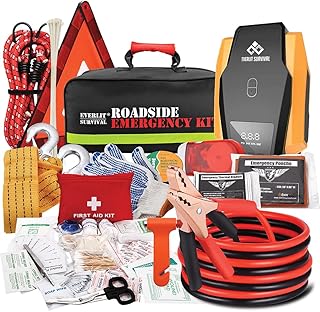
Roadside Emergency Kit
If a weak fuel pump does leave you stalled on the shoulder, a stocked emergency kit with flares and reflective triangles keeps you visible and safe.
Check Price on Amazon10. Engine Overheating Under Load
This one surprises a lot of drivers, since overheating is usually assumed to be a cooling system issue. But a fuel-starved engine, one that isn’t getting quite enough fuel to maintain the correct air-fuel ratio, can run hotter than normal, particularly under sustained load like towing, climbing long grades, or driving in hot weather with the air conditioning running.
A lean-running engine burns hotter because there isn’t enough fuel to properly absorb and carry away combustion heat. If your temperature gauge creeps up specifically during demanding driving conditions, and drops back to normal once you ease off, it’s worth checking fuel pressure alongside your cooling system, especially if you’ve already ruled out a straightforward coolant leak.
This symptom is also one where towing or hauling a heavy load can make an otherwise borderline pump problem suddenly obvious. The added resistance means the engine needs more fuel volume for longer stretches of time, exactly the condition a marginal pump struggles with most. If you’ve noticed your temperature gauge behaving differently only when the vehicle is loaded down or pulling a trailer, and running perfectly normal unloaded around town, that load-dependent pattern is worth mentioning specifically when you describe the issue to a shop, since it narrows the diagnostic focus considerably.
11. Fuel Pump Failing to Prime (Complete No-Start)
The final stage of fuel pump failure is straightforward: the pump simply stops running. Turn the key to “on” and you won’t hear the usual two-second priming whir at all. Crank the engine and it will turn over normally (assuming the battery and starter are fine) but never catch, because no fuel is reaching the injectors.
This is the point most drivers finally recognize the fuel pump as the clear culprit, since by this stage it’s usually been preceded by several of the earlier warning signs over preceding weeks or months. If you find yourself here without warning, it’s worth reviewing your maintenance history; a pump replaced years ago combined with a recently-empty tank (sediment sitting at the bottom of a nearly-empty tank is hard on pump intake screens) is a very common lead-up to sudden total failure.
A complete no-start situation away from home is exactly when a well-stocked car safety kit and a plan for roadside assistance matter most. Confirm you have a way to call for a tow before you find yourself needing one.
Occasionally a completely dead pump will still respond to a firm, sharp tap on the underside of the vehicle near the tank while a helper turns the key, since this can temporarily jar worn internal brushes into making contact again. This is not a fix, and it’s not something to rely on beyond getting the car to a shop, but it can be a useful way to confirm the pump specifically (rather than a relay or wiring fault) is the point of failure if the engine suddenly starts right after the tap and the priming whir returns to normal.
12. Symptoms That Mimic a Bad Fuel Pump (But Aren’t)
Because so many fuel pump symptoms overlap with other systems, it’s worth spending a moment on what else could be creating the same driving experience. Getting this wrong is one of the most common (and expensive) mistakes in DIY diagnosis, since fuel pump replacement isn’t cheap and isn’t something you want to do twice.
Clogged Fuel Filter
A dying fuel filter produces nearly identical symptoms to a dying pump: hesitation under load, hard starting, and stalling. The main difference is that a clogged filter tends to worsen more predictably with mileage and fuel quality, while pump wear is more closely tied to heat and running the tank low. On many modern vehicles the filter is integrated into the pump assembly itself, which simplifies the decision somewhat.
Failing Ignition Coils or Spark Plugs
Misfires and hesitation can just as easily come from the ignition side rather than the fuel side. A scan tool showing cylinder-specific misfire codes (rather than a general lean condition across all cylinders) points more toward ignition components than fuel delivery.
Clogged Catalytic Converter
A severely restricted catalytic converter can cause power loss under load and poor fuel economy that closely resembles fuel starvation. If your vehicle has had recent catalytic converter theft prevention work done, or has an aftermarket exhaust, it’s worth ruling this out, since converter issues sometimes follow exhaust modification.
Weak Battery or Charging System
Slow cranking and hard starting can just as easily stem from a battery nearing the end of its life or an alternator that isn’t fully charging the battery while driving. A quick voltage test at the battery terminals, both at rest and while running, rules this out in under five minutes.
Vacuum Leaks and Failing Sensors
A vacuum leak, or a failing mass airflow or oxygen sensor, can also produce lean-running symptoms very similar to a fuel delivery problem, since both ultimately affect the air-fuel ratio the engine sees. The distinguishing factor here is usually that sensor and vacuum issues tend to produce a consistent, repeatable idle problem, like a rough or fluctuating idle speed even at a complete stop, whereas fuel pump symptoms are far more tied to load and speed rather than showing up prominently while the car is simply idling in the driveway.
13. Symptom Comparison Table: Fuel Pump vs. Common Look-Alikes
| Symptom | Fuel Pump | Fuel Filter | Ignition Coils | Battery / Alternator |
|---|---|---|---|---|
| Hesitation under load | Very common | Common | Common | Rare |
| Whining noise from tank | Very common | Rare | None | None |
| Hard or slow starting | Common | Common | Occasional | Very common |
| Random stalling | Common | Common | Common | Occasional |
| Worsens with low fuel level | Very common | Occasional | None | None |
| Cylinder-specific misfire code | Rare | Rare | Very common | None |
No single symptom in isolation confirms a failing fuel pump, but a cluster of two or three items from the “very common” column, especially when they worsen together, is a strong enough pattern to justify a proper fuel pressure test before committing to any repair.
14. DIY Fuel Pump Replacement vs. Professional Repair
Once a fuel pump is confirmed as the source of your symptoms, the next decision is whether to replace it yourself or hand it off to a shop. This varies enormously by vehicle; some fuel pumps are accessible through a panel under the rear seat in under an hour, while others require dropping the entire fuel tank, which is a much bigger job involving fuel line disconnection and proper safety precautions around a full tank of gasoline.
DIY Replacement
- Significant cost savings, often several hundred dollars in labor
- Straightforward on vehicles with an under-seat or trunk access panel
- Good opportunity to inspect the fuel tank and sending unit at the same time
DIY Replacement
- Requires dropping the fuel tank on many vehicles, which is labor-intensive
- Working around gasoline demands real safety precautions and proper ventilation
- Incorrect installation can introduce leaks or electrical faults
Professional Repair
- Proper equipment for safely lowering fuel tanks on complex layouts
- Warranty coverage on both parts and labor in most cases
- Fuel system pressure and leak testing verified before the car leaves the shop
Professional Repair
- Labor costs can meet or exceed the price of the part itself on tank-drop jobs
- Scheduling delays if the part isn’t in stock locally
If you decide to tackle it yourself, having the right diagnostic tools on hand beforehand, rather than discovering mid-repair that you need them, makes the whole job considerably smoother.

Fuel System Cleaner
Periodic use of a quality fuel system cleaner helps reduce the sediment and varnish buildup that accelerates pump wear over time.
Check Price on Amazon15. Extending the Life of Your Fuel Pump
While every fuel pump eventually wears out, a handful of simple habits can meaningfully extend its service life. The single biggest factor is keeping the tank from consistently running low. Driving regularly on a quarter tank or less exposes the pump to more heat (since there’s less surrounding fuel to dissipate it) and pulls in more of the sediment that naturally settles at the bottom of the tank over time.
Fuel quality matters too. Consistently using gas from low-volume, poorly-maintained stations increases the odds of contamination reaching the pump’s intake screen. Rotating among reputable, high-volume stations reduces this risk simply because their tanks turn over fuel more frequently, leaving less time for sediment or water to accumulate.
Finally, addressing early symptoms promptly, rather than waiting for a complete failure, tends to be both cheaper and safer. A pump replaced proactively after a whining noise and mild hesitation is a planned repair; a pump that finally quits mid-drive is a roadside emergency. If you’re already thinking ahead about vehicle reliability, our pre-road-trip safety check guide is a good complementary read before any long-distance drive.
It’s also worth building a fuel pump check into your regular maintenance thinking the same way you’d think about brake pads or tires, rather than treating it as something you only worry about once a symptom appears. A quick fuel pressure test during a routine oil change costs very little and gives you an early baseline reading you can compare against in future visits. Catching a slow decline over two or three service intervals is far less stressful than trying to diagnose a sudden, unexplained symptom on the side of the road, and it gives you the flexibility to schedule replacement around your own timeline rather than a breakdown’s.
16. Frequently Asked Questions
What is the very first sign of a failing fuel pump?
For most drivers, the earliest noticeable sign is a change in noise: a louder or higher-pitched whine coming from the fuel tank area, often followed weeks or months later by mild hesitation under hard acceleration or at highway speed.
Can a failing fuel pump cause a car not to start at all?
Yes. In the final stage of failure, the pump stops running entirely, so no fuel reaches the engine. The car will crank normally but never catch, since cranking is powered by the starter motor and battery, which are separate from the fuel delivery system.
Is it safe to keep driving with a failing fuel pump?
It’s generally not advisable. A pump that’s already shown symptoms like stalling or sudden power loss can fail completely and without warning, which is far more dangerous in moving traffic or on a highway than it would be to have the vehicle serviced proactively.
How much does it typically cost to replace a fuel pump?
Costs vary widely by vehicle and labor difficulty. Vehicles with easy access through a seat or trunk panel tend to be less expensive to service than vehicles requiring the fuel tank to be dropped, since tank removal adds significant labor time.
Does running low on gas damage the fuel pump?
Consistently running the tank low accelerates pump wear in two ways: it exposes the pump to more heat, since fuel around the pump helps dissipate it, and it increases the chance of pulling sediment from the bottom of the tank into the pump’s intake screen.
Can a bad fuel pump throw a check engine light without other symptoms?
Yes, particularly in early stages. The onboard computer can detect subtle fuel pressure or fuel trim irregularities and log a code before a driver notices anything different in how the car feels or sounds.
How long do fuel pumps typically last?
Service life varies by vehicle, driving habits, and fuel quality, but many factory fuel pumps last well over 100,000 miles under normal conditions. Habits like consistently running the tank low or frequent short trips can shorten that lifespan.
Can a mechanic test fuel pump health without replacing it?
Yes. A fuel pressure test, measuring pressure at idle, under simulated load, and checking how quickly pressure holds after the engine is shut off, is the standard, non-invasive way to assess pump condition before recommending replacement.
Why does my fuel pump seem louder when the tank is low?
With less fuel surrounding the pump, there’s less material to dampen vibration and absorb heat, so both the sound and the internal wear tend to increase noticeably once the tank drops below roughly a quarter full.
Is a whining fuel pump always a sign it needs replacement?
Not always immediately, but a change in pitch or volume compared to how the vehicle normally sounds is worth monitoring closely and mentioning to a technician at your next service, especially if it’s paired with any other symptom on this list.
Can fuel additives fix a failing fuel pump?
Fuel additives can help prevent buildup that stresses the pump over time, but they can’t repair worn internal components like brushes, bearings, or an impeller that’s already degraded. Once physical wear has occurred, replacement is the only real fix.
Does a bad fuel pump affect fuel economy?
Yes, often gradually. As the pump loses its ability to maintain ideal pressure, the engine control module frequently compensates with a slightly richer fuel mixture, which shows up over time as a slow decline in miles per gallon.
Trust the Pattern, Not Just One Symptom
A failing fuel pump rarely announces itself with a single dramatic moment. It builds gradually through a whine here, a hesitation there, and a slightly harder start on a cold morning. Recognizing that pattern early gives you the chance to schedule a proper fuel pressure test and repair on your own timeline, rather than finding out the hard way on the side of a highway. If more than one of the symptoms above sounds familiar, it’s worth having your fuel system checked before your next long drive.
Shop Fuel Pressure Test Kits🚗 Recommended for Drivers
Drive Safer Every Day
Explore our top picks for car safety gear — from dashcams to emergency kits — all hand-picked to help you stay safe on the road.
🚗 Shop Car Safety EssentialsAffiliate link — we earn a small commission that keeps DriveSafeGuide running. Thank you!