Hybrid Vehicle Maintenance Essentials for a Safe and Efficient Ride
Everything you need to know to protect your hybrid battery, brakes, and powertrain — and keep your fuel economy, resale value, and safety margins where they should be.
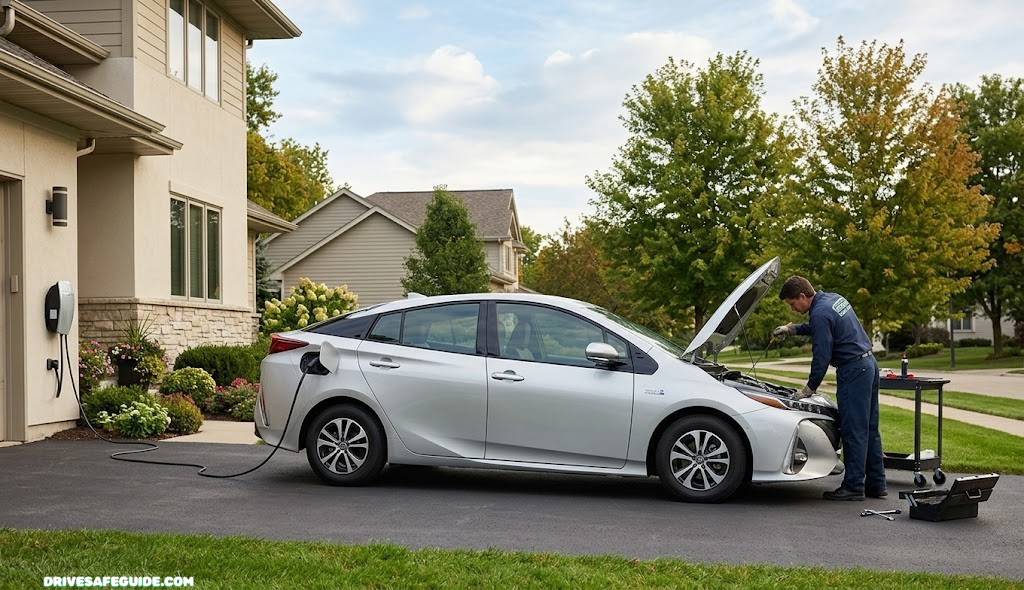
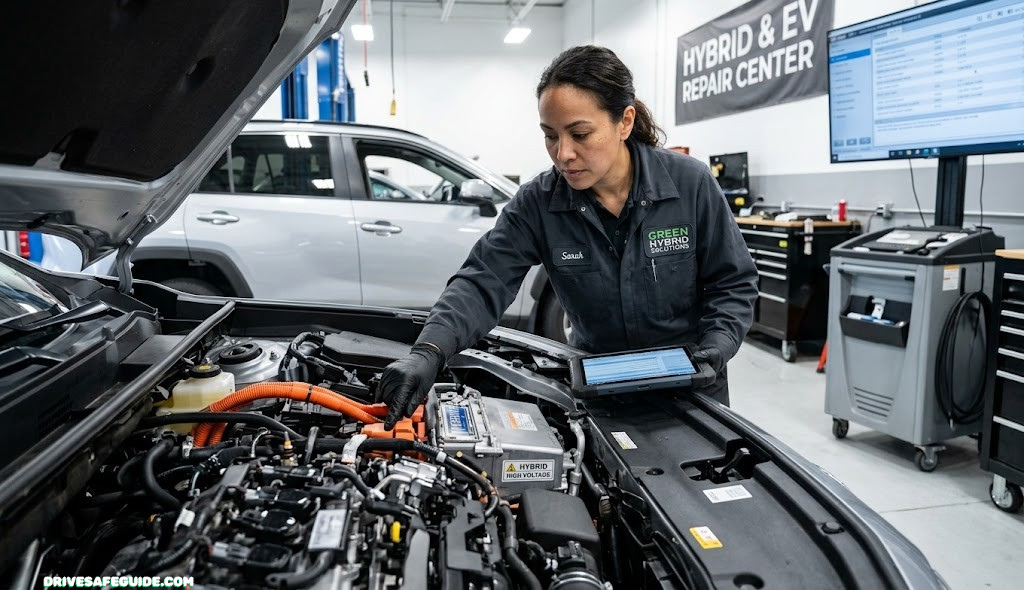
Hybrid vehicles occupy a strange middle ground in the minds of a lot of drivers. They’re not quite a conventional gasoline car, and they’re not a full electric vehicle either, which means owners often aren’t sure which maintenance rules actually apply to them. Some people assume a hybrid needs almost no upkeep because “half of it is electric.” Others swing the opposite direction and either neglect the combustion side because they think the battery is doing all the work, or they over-service components that barely need attention. Both mistakes cost money, and worse, both can quietly chip away at the safety margins that make hybrids such dependable daily drivers in the first place.
The truth sits in between. A hybrid drivetrain blends a gasoline engine, an electric motor, a high-voltage battery pack, a power control unit, and a regenerative braking system into one coordinated machine. Each of those systems has its own maintenance rhythm, and when one falls behind, it doesn’t just hurt fuel economy — it can affect braking response, acceleration, and how predictably the car behaves in wet or icy conditions. That overlap between mechanical maintenance and everyday safe driving habits is really the heart of this guide.
Below, we’ll walk through every major system in a hybrid that needs attention, in plain language, with realistic intervals, warning signs to watch for, and a clear picture of what you can reasonably do yourself versus what belongs in a certified shop. Whether you’re driving a compact hybrid sedan, a hybrid SUV, or a plug-in hybrid you charge overnight, the fundamentals in this guide apply across the board.
It’s also worth saying upfront that none of this requires turning yourself into an amateur electrical engineer. The goal of this guide isn’t to make hybrid ownership feel intimidating — if anything, once you understand which systems need which kind of attention, hybrid maintenance becomes more predictable than a lot of owners expect. You’ll come away knowing exactly what to check monthly, what to schedule annually, and which few tasks are worth paying a specialist for every time, no exceptions.
1. How Hybrid Maintenance Actually Differs From a Standard Gasoline Car
The first thing to understand is that a hybrid doesn’t eliminate traditional maintenance — it redistributes it. Because the electric motor shares the workload with the gasoline engine, some components experience less wear than they would in a conventional car, while others face entirely new demands they were never designed for in older vehicle platforms.
Where Hybrids Need Less Attention
Brake pads and rotors typically last much longer in a hybrid because regenerative braking handles a large share of everyday slowing down, especially in stop-and-go traffic. The gasoline engine also cycles on and off frequently, which in some ways reduces total run-hours compared to an engine that idles constantly. Combined with smoother off-the-line acceleration from the electric motor, this can translate into noticeably less mechanical stress during typical commuting.
Where Hybrids Need More Attention
The high-voltage battery pack, the inverter, the cooling loops that serve the electronics, and the software governing how the gas engine and electric motor hand off power to each other are all systems a traditional gasoline car simply doesn’t have. These components age differently than an engine block or transmission, and they’re far more sensitive to heat, deep discharge cycles, and long periods of inactivity.
This distinction matters for cost planning too. Fuel savings from a hybrid drivetrain can be partially offset if the battery, cooling system, or inverter are neglected and eventually need replacement out of warranty. Staying ahead of these systems is what actually protects the total cost of ownership advantage that made you choose a hybrid in the first place.
Not All Hybrids Are Built the Same Way
Part of the confusion around hybrid maintenance comes from the fact that “hybrid” actually covers several distinct engineering approaches, and the maintenance implications shift depending on which one you own. A mild hybrid uses a small electric motor mainly to assist the gasoline engine during acceleration and to enable smoother stop-start behavior, but it can’t drive on electric power alone for any meaningful distance. A full hybrid, the type most people picture when they hear the word, can operate on electric power alone at low speeds and blends the two power sources more aggressively, which is why its regenerative braking and battery management systems tend to be more sophisticated. A plug-in hybrid takes this further by adding a larger battery pack that can be charged from an external outlet, giving it a genuine electric-only range before the gasoline engine engages at all.
These differences matter because a plug-in hybrid owner needs to think more seriously about charging habits and battery state of charge management than someone with a mild hybrid, whose small battery pack is cycled constantly by the car itself and rarely sits idle for long. If you’re unsure which category your vehicle falls into, your owner’s manual will specify it, and that classification should guide how much attention you place on the battery-specific maintenance covered in the next section.
The Role of the Power Control Unit
Sitting between the battery and the electric motor, the power control unit (which usually houses the inverter) is responsible for converting the battery’s direct current into the alternating current the motor uses, and vice versa during regenerative braking. This component runs hot under load, which is exactly why it has its own cooling loop in most hybrid designs, discussed in more detail later in this guide. Because it’s a solid-state electronic component rather than something with moving mechanical parts, it doesn’t have a traditional “service interval” the way an engine does — but it is highly sensitive to overheating, which is one more reason cooling system upkeep deserves real attention rather than being treated as an afterthought.

Track Your Hybrid’s Health in Real Time
A hybrid-compatible OBD2 scanner lets you monitor battery state, engine codes, and system voltages before small issues become expensive ones.
Check Price on Amazon2. High-Voltage Battery Care and Longevity
The high-voltage battery pack is the single most expensive component in any hybrid, and it’s also the one owners have the least intuitive understanding of, simply because you can’t see it, touch it, or check its “oil level” the way you can with an engine. Most modern hybrid batteries — whether nickel-metal hydride or lithium-ion — are designed to last well beyond 100,000 miles when treated reasonably, but “reasonably” has specific requirements.
Temperature Is the Real Enemy
Battery chemistry degrades faster in sustained heat than almost any other factor. Parking in direct sun for years, running the climate control system aggressively without giving the battery cooling fans a chance to work, or driving in extreme heat without adequate airflow to the battery compartment all accelerate capacity loss. If you live somewhere with brutal summers, prioritizing shaded or covered parking isn’t cosmetic — it’s a real longevity strategy, similar in spirit to how you’d manage extreme heat engine care on the combustion side.
Avoid Deep Discharge and Long Idle Periods
Hybrid battery management systems are generally good at preventing full discharge, but a vehicle that sits unused for months — especially a plug-in hybrid left uncharged — can allow the pack to drift into a low state of charge that stresses individual cells. If you’re storing a hybrid long-term, starting it periodically or keeping it on a maintainer designed for hybrid electrical systems helps preserve battery health.
Keep the Battery Cooling System Clear
Many hybrid battery packs are cooled using cabin air pulled through a vent or filter, often located near a rear seat or trunk area. Over time, this intake can become blocked with dust, pet hair, or stored cargo. A blocked battery vent forces the cooling fan to work harder and allows the pack to run hotter than it should, which shortens its usable life. Checking and clearing this vent should be part of your routine service, right alongside more visible tasks like cabin air filter replacement.
| Battery Habit | Effect on Longevity | Recommended Action |
|---|---|---|
| Frequent extreme heat exposure | Accelerates chemical degradation | Park in shade, avoid prolonged idling in heat |
| Long-term storage uncharged | Cell imbalance, deep discharge risk | Charge or start periodically |
| Blocked battery cooling vent | Overheating, reduced capacity | Inspect and clear every service interval |
| Consistent moderate driving | Balanced charge/discharge cycling | No action needed — this is ideal usage |
What Helps Battery Life
- Moderate, consistent daily driving
- Shaded or garage parking
- Clear battery cooling vents
- Manufacturer-recommended diagnostic checks
What Shortens Battery Life
- Constant extreme heat exposure
- Long-term storage without charging
- Ignoring dashboard battery warnings
- Aftermarket electrical modifications without proper isolation
Nickel-Metal Hydride vs. Lithium-Ion Packs
Older and many current mainstream hybrids use nickel-metal hydride (NiMH) battery packs, prized for their durability and tolerance of a wide range of charge states, even if they’re heavier and less energy-dense than newer alternatives. Many newer hybrids, and most plug-in hybrids, use lithium-ion packs instead, which offer better energy density and lighter weight but are somewhat more sensitive to being left at very high or very low states of charge for extended periods. If your hybrid uses a lithium-ion pack, avoiding leaving it fully charged and sitting in hot weather for days at a time is a small habit that meaningfully protects long-term capacity, similar to how you’d treat a laptop or phone battery.
Regardless of chemistry, both battery types share the same core enemies: sustained heat, deep discharge, and long periods of complete inactivity. The specific tolerances differ slightly, but the protective habits described throughout this section apply to both, which is why manufacturers rarely expect owners to think about chemistry day-to-day. What matters in practice is consistency — driving the car regularly, keeping it out of extreme heat when possible, and not letting it sit forgotten for months at a time.
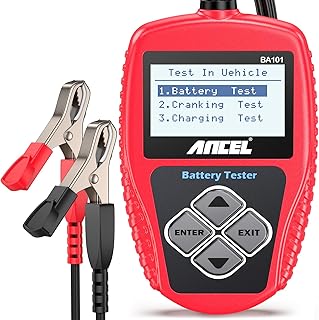
Verify Your Battery System’s Real Condition
A reliable load tester helps confirm whether reduced range or sluggish starts trace back to the auxiliary battery rather than the main hybrid pack.
Check Price on Amazon3. Engine Oil and Filter Maintenance for Hybrid Powertrains
It surprises a lot of new hybrid owners to learn that the gasoline engine still needs oil changes on a fairly normal schedule, even though it runs less often than in a conventional car. In fact, because hybrid engines cycle on and off repeatedly rather than running continuously, oil can be exposed to more frequent cold starts, which is one of the harder conditions on lubrication and engine wear.
Why Cold Starts Matter More in Hybrids
Every time the gasoline engine shuts off at a red light and restarts a moment later, oil pressure has to rebuild and lubricate moving parts almost instantly. This repeated cycling is part of why manufacturers often specify a lower-viscosity, hybrid-rated synthetic oil — it flows faster at startup and protects components during those frequent restart events. Using the correct viscosity, detailed in your owner’s manual, is more important in a hybrid than in a traditional car for exactly this reason. If you want a deeper primer, our guide to engine oil viscosity grades breaks down what those numbers actually mean.
Don’t Rely on Mileage Alone
Because the gasoline engine in a hybrid may run for fewer total hours per mile driven than a conventional engine, some owners assume they can stretch oil change intervals significantly. That’s only partly true. Most manufacturers still recommend time-based intervals (commonly every six months to a year) in addition to mileage-based ones, because oil degrades chemically over time regardless of how many miles accumulate. Trust your owner’s manual over online guesswork.
Filter Checks Still Matter
Oil filters and air filters degrade the same way they do in any gasoline vehicle. A clogged air filter can force the combustion engine to work harder when it does engage, which undermines the very efficiency gains a hybrid system is designed to deliver.
Reading the Oil Correctly at Change Time
Because a hybrid’s engine cycles on and off rather than running continuously, checking oil level and condition immediately after a drive can give a slightly misleading reading if the engine hasn’t been running long enough to circulate oil fully. Where possible, check oil level either before the first drive of the day or a few minutes after the engine has been running steadily, and always follow the specific procedure outlined in your owner’s manual rather than relying purely on habits carried over from a previous gasoline-only car.

Use the Right Oil for Hybrid Cold Starts
A hybrid-rated full synthetic oil helps protect your engine through the frequent stop-start cycling that hybrid drivetrains rely on.
Check Price on Amazon4. Regenerative Braking Care: Protecting a System That Often Gets Ignored
Regenerative braking is one of the best features of hybrid ownership — it recovers energy that would otherwise be lost as heat and feeds it back into the battery, while also reducing wear on traditional friction brakes. But that same benefit creates a blind spot: because pads and rotors last so much longer, owners sometimes go years without a proper brake inspection, assuming that “hybrid brakes don’t wear out.”
The Rust and Corrosion Risk
Because friction brakes engage less often in daily hybrid driving, rotors can develop light surface rust, particularly in humid climates or after long periods of highway-only driving where regenerative braking does almost all the work. This rust is usually harmless and burns off with normal pad contact, but in vehicles that sit for extended periods, it can build into pitting that affects braking smoothness and even trigger a faint grinding sound the first few times you brake after sitting.
Brake Fluid Still Needs Attention
Regenerative braking doesn’t reduce the need for brake fluid maintenance. Fluid still absorbs moisture over time, which lowers its boiling point and can affect pedal feel or, in a worst-case scenario, contribute to brake fade during sustained downhill driving. If you’ve ever experienced a soft or sinking pedal, our comparison of brake fade vs. hydraulic failure and how to react is worth bookmarking.
Have the System Inspected on Schedule Anyway
Even with reduced wear, brake inspections should still happen at the intervals your manufacturer recommends — often every 12,000 to 15,000 miles — specifically because the failure modes on a hybrid (light corrosion, fluid degradation, caliper sticking from underuse) are different from the pure wear-based failures on conventional brakes.
Regenerative Braking Advantages
- Significantly extended pad and rotor life
- Energy recovery improves overall efficiency
- Reduced brake dust and cleaning
Regenerative Braking Trade-offs
- Rotor surface rust from underuse
- Easy to neglect fluid and inspection schedules
- Blended brake feel can mask early warning signs
5. Cooling System Upkeep for Hybrid Batteries and Electronics
Most drivers understand that an engine needs coolant, but hybrids typically run two separate thermal management systems — one for the gasoline engine, and a second dedicated loop (or airflow system) that manages heat for the battery pack, inverter, and power electronics. Neglecting either one creates very different, but equally serious, problems.
The Engine Cooling Loop
This works largely the same as it does in a conventional car: coolant needs to be flushed and replaced at manufacturer intervals to prevent corrosion, maintain proper freeze/boil protection, and keep the water pump and radiator functioning correctly. If you’ve never done this yourself, our walkthrough on how to flush a radiator at home covers the process step by step.
The Inverter and Power Electronics Loop
This is the system many hybrid owners don’t even know exists. It typically uses a separate coolant reservoir to manage heat generated by the power control unit and inverter, which convert electricity between the battery and the electric motor. This coolant also degrades over time, and manufacturers specify its own replacement interval, often longer than the engine coolant but still finite. Skipping it risks overheating sensitive electronics under heavy load, such as towing, mountain driving, or extended high-speed travel.
Signs of Cooling System Trouble
Watch for a “reduced power” or hybrid system warning light after sustained hard driving, unusual fan noise continuing well after you’ve parked, or a sweet smell that could indicate a coolant leak. Any of these deserve a same-week inspection rather than a “wait and see” approach.
| Cooling System | Purpose | Typical Service Signal |
|---|---|---|
| Engine coolant loop | Regulates combustion engine temperature | Manufacturer mileage/time interval, visible leaks |
| Inverter/electronics loop | Protects power control unit and inverter | Separate manufacturer interval, reduced power warnings |
| Battery pack airflow/cooling | Keeps high-voltage cells within safe temperature range | Clear intake vents, listen for fan behavior |

Keep Both Cooling Loops Topped Off
Manufacturer-approved coolant helps protect both your engine and your hybrid’s sensitive power electronics from heat-related damage.
Check Price on Amazon6. Tire Maintenance and Its Direct Link to Hybrid Efficiency
Tires matter more to a hybrid’s real-world fuel economy than most owners realize. Because hybrid drivetrains are engineered around minimizing rolling resistance to stretch every bit of stored energy, underinflated or unevenly worn tires can erase a meaningful percentage of the efficiency advantage you’re paying for.
Pressure Checks Matter More Here
Many hybrids ship from the factory with low-rolling-resistance tires inflated to slightly higher pressures than a comparable gasoline-only model. Letting pressure drop even a few PSI below spec increases rolling resistance, which the electric motor and engine both have to work harder to overcome. A monthly pressure check takes two minutes and directly protects your fuel economy numbers.
Rotation and Alignment
Because hybrids are often slightly heavier than their gasoline counterparts (due to the battery pack), tire wear patterns can differ, especially if the weight distribution shifts wear toward specific tire zones. Regular rotation according to your manufacturer’s schedule, along with an annual alignment check, helps tires wear evenly and last longer — while also protecting handling predictability, something we cover more broadly in our defensive driving habits guide.
Choosing Replacement Tires
When it’s time to replace tires, resist the temptation to grab whatever’s cheapest. Many hybrids are specifically tuned around a particular tire’s rolling resistance rating, and switching to a heavier, higher-resistance tire can noticeably reduce your real-world MPG or electric range, even if the tire itself is perfectly safe.
Seasonal Tire Swaps and Efficiency Trade-offs
Owners in colder climates sometimes wonder whether switching to dedicated winter tires undermines a hybrid’s efficiency advantage. The honest answer is that winter tires generally do have slightly higher rolling resistance than factory low-rolling-resistance tires, so you should expect a modest efficiency dip during the months you run them. That trade-off is almost always worth it for the safety benefit in genuinely cold or snowy conditions, since the softer rubber compound and more aggressive tread pattern dramatically improve grip on snow and ice compared to any all-season tire, hybrid-optimized or not. If your climate only sees occasional light snow, a quality all-season tire may be a reasonable middle ground, but check our summer tire vs. all-season comparison before deciding either way.

Make Pressure Checks a Two-Minute Habit
A reliable digital gauge takes the guesswork out of monthly tire checks, which directly protect your hybrid’s efficiency.
Check Price on Amazon7. The 12V Auxiliary Battery: Small Part, Big Headache
Nearly every hybrid still carries a conventional 12-volt battery, separate from the high-voltage pack, responsible for powering the computer systems, lights, and accessories, and for “waking up” the hybrid system when you press start. This small battery is frequently overlooked because owners assume “the big battery” handles everything.
Why It Fails Differently Than You’d Expect
In a conventional car, a dead 12V battery just means the car won’t start. In a hybrid, a weak or dead auxiliary battery can prevent the entire hybrid system from powering up at all, even though the high-voltage pack is perfectly healthy. This leads to confused owners assuming they need an expensive main battery replacement when the actual fix is a routine 12V swap.
Maintenance Habits That Help
Because hybrids’ gasoline engines run less often, the 12V battery gets less “top-up” charging time compared to a conventional car that idles constantly at stoplights. Long periods of short-trip driving, or a vehicle sitting unused, can leave the 12V battery undercharged. Where possible, occasional longer drives, or a smart trickle charger for infrequently driven hybrids, keeps this battery in healthy condition. Testing it annually, especially before extreme weather seasons, catches most failures before they leave you stranded — the same logic behind building a solid car safety kit for tire and battery issues.
8. Software Updates and Hybrid System Diagnostics
Modern hybrids run on software as much as they run on mechanical components. The control modules that decide when to switch between electric and gasoline power, how aggressively to regenerate braking energy, and how to manage battery temperature are all governed by firmware that manufacturers periodically update.
Why Updates Matter
Manufacturers frequently issue software updates that improve battery management logic, fix inefficient power-blending behavior, or address minor bugs that can cause a warning light to appear unnecessarily. Skipping these updates doesn’t usually create safety issues, but it can leave efficiency and smoothness on the table.
Reading Hybrid-Specific Codes
Standard OBD2 scanners can read basic engine codes, but many hybrid-specific fault codes — related to battery cell imbalance, inverter temperature, or regenerative braking blending — require a scanner with expanded hybrid system support, or a visit to a dealership with manufacturer-level diagnostic tools. If you’re shopping for a scanner, our OBD2 scan tools guide explains which features actually matter for real-time sensor monitoring.
Don’t Ignore Intermittent Warning Lights
A hybrid warning light that appears once and disappears is often more meaningful than a constant one, because it may indicate a sensor briefly exceeding a threshold. Logging when these events happen and pairing that with a scan tool reading gives your mechanic far more useful information than “the light came on for a second.”
Keep a Simple Record of Firmware Updates
Dealerships don’t always proactively call owners in for a software update the way they might for a physical recall. It’s worth asking about outstanding software updates at every scheduled service visit, and noting the date and version when one is applied. This small habit means that if you ever experience an unusual drivability symptom, you and your mechanic can quickly rule out “known issue already fixed by an update” before spending time and money chasing something that a simple firmware update would have resolved.

Monitor Hybrid Health From Your Phone
A Bluetooth OBD2 adapter paired with a hybrid-compatible app lets you watch battery voltage, temperature, and fault codes in real time.
Check Price on Amazon9. Seasonal Maintenance Considerations for Hybrid Owners
Hybrids behave differently across seasons compared to gasoline-only vehicles, largely because battery performance and regenerative braking are both temperature-sensitive.
Cold Weather
In freezing temperatures, hybrid batteries deliver reduced capacity, and the gasoline engine may run more often to generate cabin heat and keep the battery within its optimal operating range, which temporarily lowers fuel economy. This is normal, not a malfunction, but it’s worth planning for on long winter trips. Cold conditions also make regenerative braking less aggressive on slick surfaces, so brushing up on winter driving safety and traction handling pays off directly for hybrid owners. Pairing this seasonal awareness with a stocked winter car emergency kit checklist is a smart habit regardless of what you drive.
Hot Weather
As covered earlier, heat is the primary long-term threat to hybrid battery health. In summer, prioritize shaded parking, make sure battery cooling vents are unobstructed, and don’t ignore any “reduced power” warnings that appear during long climbs in high heat — these are often the system protecting the battery from thermal stress.
Rain and Storm Conditions
Regenerative braking blending with hydraulic brakes can feel slightly different in heavy rain compared to a conventional car, since the system may adjust its braking balance based on wheel slip detection. Understanding this blended feel ahead of time, alongside general guidance like our rain driving safety and cruise control guidance, helps you react calmly rather than being surprised by pedal feel in a downpour.
| Season | Primary Hybrid Concern | Owner Action |
|---|---|---|
| Winter | Reduced battery capacity, more frequent gas engine use | Expect lower MPG, keep battery warm when possible |
| Summer | Heat-driven battery degradation | Shaded parking, clear cooling vents |
| Rainy season | Altered regenerative brake feel | Practice cautious braking in wet conditions |
Long-Term Storage Between Seasons
If you own a second vehicle and only drive your hybrid occasionally, or you’re storing it for an extended period while traveling, a few extra precautions help protect the battery systems discussed earlier in this guide. Where possible, avoid leaving the vehicle parked outdoors in direct summer sun for the entire storage period, and check on it every few weeks rather than letting it sit completely untouched for months. A short drive of fifteen to twenty minutes is usually enough to cycle the 12V battery, circulate fluids, and give the hybrid system a chance to run its own internal checks, which is far better for the vehicle than sitting motionless in a driveway or garage.
10. Common Hybrid Warning Signs and When to See a Mechanic
Hybrids are generally reliable, but certain symptoms deserve prompt attention rather than being written off as “just how hybrids work.”
- A persistent “check hybrid system” light that doesn’t clear after a restart
- Noticeably reduced electric-only driving range compared to when the car was new
- Grinding, squealing, or pulsing sensations when braking
- The gasoline engine running far more frequently than usual during normal driving
- Unusual coolant smell, visible leaks, or a coolant warning light
- Dashboard flicker or accessories behaving erratically at startup
- A sudden, unexplained drop in fuel economy over a short period
Any single item on this list might be minor on its own, but if you notice two or more happening together, it’s worth scheduling a diagnostic appointment rather than waiting for the problem to escalate. Catching hybrid-specific issues early is almost always cheaper than dealing with a full battery pack or inverter replacement down the line. This same “catch it early” mindset applies broadly across vehicle ownership, similar to recognizing alternator failure symptoms before they leave you stranded.
11. DIY vs. Professional Maintenance: Where the Line Should Be
One of the most common questions hybrid owners ask is how much of this maintenance they can realistically handle themselves. The honest answer is: quite a lot, but not everything.
Safe and Reasonable DIY Tasks
Good DIY Candidates
- Tire pressure checks and rotation
- Cabin air filter and engine air filter replacement
- Visual coolant level checks
- 12V auxiliary battery testing
- Clearing battery cooling vents of debris
- Reading basic diagnostic codes with a consumer scanner
Leave to a Certified Technician
- Any work involving the orange high-voltage cabling
- Inverter or power control unit servicing
- High-voltage battery pack diagnostics or replacement
- Brake system work involving the regenerative blending calibration
- Software/firmware updates requiring manufacturer tools
Why the High-Voltage Boundary Is Non-Negotiable
Hybrid high-voltage systems typically operate well above 200 volts, clearly marked with orange cabling and warning labels. Even experienced home mechanics should never attempt to open, inspect, or work near these components without proper high-voltage safety training and insulated tools, because the risk of severe electrical injury is real and the margin for error is small. This is one area where the cost of a professional service visit is simply the price of safety.
Budgeting for the Split Between DIY and Shop Work
A practical way to think about hybrid ownership costs is to separate them into two buckets. The first bucket covers routine, low-cost items you can handle yourself with basic tools: filters, tire care, fluid top-offs, and simple visual inspections. The second bucket covers less frequent but higher-cost professional services tied to the hybrid-specific systems: coolant flushes for the inverter loop, brake fluid replacement, and any diagnostic work triggered by a warning light. Setting aside a modest annual amount for this second bucket, even if you don’t end up needing it every year, prevents an unexpected high-voltage system issue from feeling like a financial surprise. Most owners find that a well-maintained hybrid rarely needs major unscheduled repairs, but budgeting ahead removes the stress if it ever does.
12. Building a Complete Hybrid Maintenance Schedule
Bringing everything together, here’s a practical way to think about your hybrid’s maintenance calendar. Exact intervals should always defer to your owner’s manual, but this framework gives you a realistic baseline.
| Interval | Tasks |
|---|---|
| Monthly | Tire pressure check, visual walk-around, dashboard warning light review |
| Every 3–6 months | Cabin air filter check, battery cooling vent inspection, 12V battery visual check |
| Every 6–12 months | Engine oil and filter change (per manufacturer viscosity spec), brake inspection, coolant level check |
| Annually | Tire rotation and alignment check, 12V battery load test, software update check |
| Every 2–5 years (manufacturer dependent) | Engine coolant flush, inverter coolant service, brake fluid replacement |
| As needed / warning-based | High-voltage battery diagnostic, inverter inspection, hybrid system fault code review |
Keeping a simple log — even a basic spreadsheet or notes app entry — of when each of these tasks was last completed removes the guesswork and makes it far easier to catch a task that’s overdue before it becomes a bigger problem. Pairing this schedule with broader habits like the ones in our pre-road-trip safety check guide ensures your hybrid is ready for both daily driving and longer trips.

Build Your Hybrid Maintenance Toolkit
From tire gauges to OBD2 scanners, having the right basic tools on hand makes routine hybrid upkeep faster and cheaper over time.
Check Price on AmazonFrequently Asked Questions
Yes, in most cases. While the gasoline engine in a hybrid may run fewer total hours, manufacturers still specify time-based oil change intervals because oil degrades chemically regardless of mileage. Always follow your owner’s manual rather than assuming reduced engine runtime means you can skip changes entirely.
Most hybrid battery packs are designed to last well beyond 100,000 miles, with many lasting 150,000 to 200,000 miles or more under reasonable conditions. Longevity depends heavily on heat exposure, charging habits, and how consistently the vehicle is driven.
In many hybrids, yes — the 12V auxiliary battery is separate from the high-voltage pack and is often accessible without specialized training. However, some hybrids route it through unusual locations (trunk, under seats) and may require a specific reset procedure, so checking your owner’s manual first is wise.
Cold temperatures reduce battery efficiency and increase cabin heating demand, so the gasoline engine engages more often to compensate and keep the battery within its optimal temperature range. This is expected behavior, not a malfunction.
Standard maintenance like oil changes, filter replacement, and tire care is generally safe for confident DIYers. However, anything involving the orange high-voltage cabling, the battery pack, or the inverter should always be left to a certified hybrid technician due to serious electrical safety risks.
Generally yes, thanks to regenerative braking reducing reliance on traditional friction brakes. However, this can also lead to light rotor surface rust from underuse, so scheduled brake inspections are still important even though wear is slower.
Ignoring a hybrid system warning light can allow a minor issue, such as a sensor fault or early battery imbalance, to develop into a more serious and expensive problem. It’s best to have the vehicle scanned promptly rather than waiting to see if the light clears on its own.
Yes, sustained high heat is one of the most significant factors in accelerated battery degradation. Shaded parking, clear cooling vents, and avoiding prolonged idling in extreme heat all help protect long-term battery capacity.
Many routine services (oil changes, tire rotation, standard brake work) can be handled by a general mechanic. However, high-voltage battery diagnostics, inverter service, and hybrid-specific software updates typically require a technician with manufacturer-level training and tools.
A sudden drop in fuel economy can stem from low tire pressure, a battery losing capacity, a clogged air filter, or the gasoline engine running more often due to cold weather or a developing fault. If the drop is significant and sustained, a diagnostic scan is worth scheduling.
The core maintenance is similar, but plug-in hybrids often have larger battery packs and benefit from more attention to charging habits, since long periods left uncharged can stress the battery more than in a standard hybrid that relies solely on regenerative charging.
Not necessarily more often than a standard schedule, but hybrids can be slightly heavier due to the battery pack, which sometimes changes tire wear patterns. An annual alignment check helps catch uneven wear early and protects both tire life and handling.
Keep Your Hybrid Running the Way It Was Designed To
A hybrid rewards attentive ownership. The systems that make it efficient — the battery, the regenerative brakes, the dual cooling loops — are also the systems most likely to be forgotten simply because they work quietly in the background. Staying ahead of them with a realistic, season-aware maintenance schedule protects not just your fuel economy, but the everyday safety margins you rely on every time you brake, accelerate, or drive through a storm.
Start with the basics this week: check your tire pressure, glance at your battery cooling vent, and confirm your last oil change lines up with your owner’s manual. Small, consistent habits are what actually keep a hybrid safe, efficient, and dependable for the long haul.
Shop Hybrid Maintenance Essentials🔧 Recommended Tool
Read Your Car's Fault Codes at Home
An OBD2 scanner lets you diagnose check engine lights, clear fault codes, and monitor your car's health — without paying a mechanic every time.
🔧 Shop OBD2 Scanners on AmazonAffiliate link — we earn a small commission that keeps DriveSafeGuide running. Thank you!