Mastering the Chill: Essential Tips for Safe Winter Driving
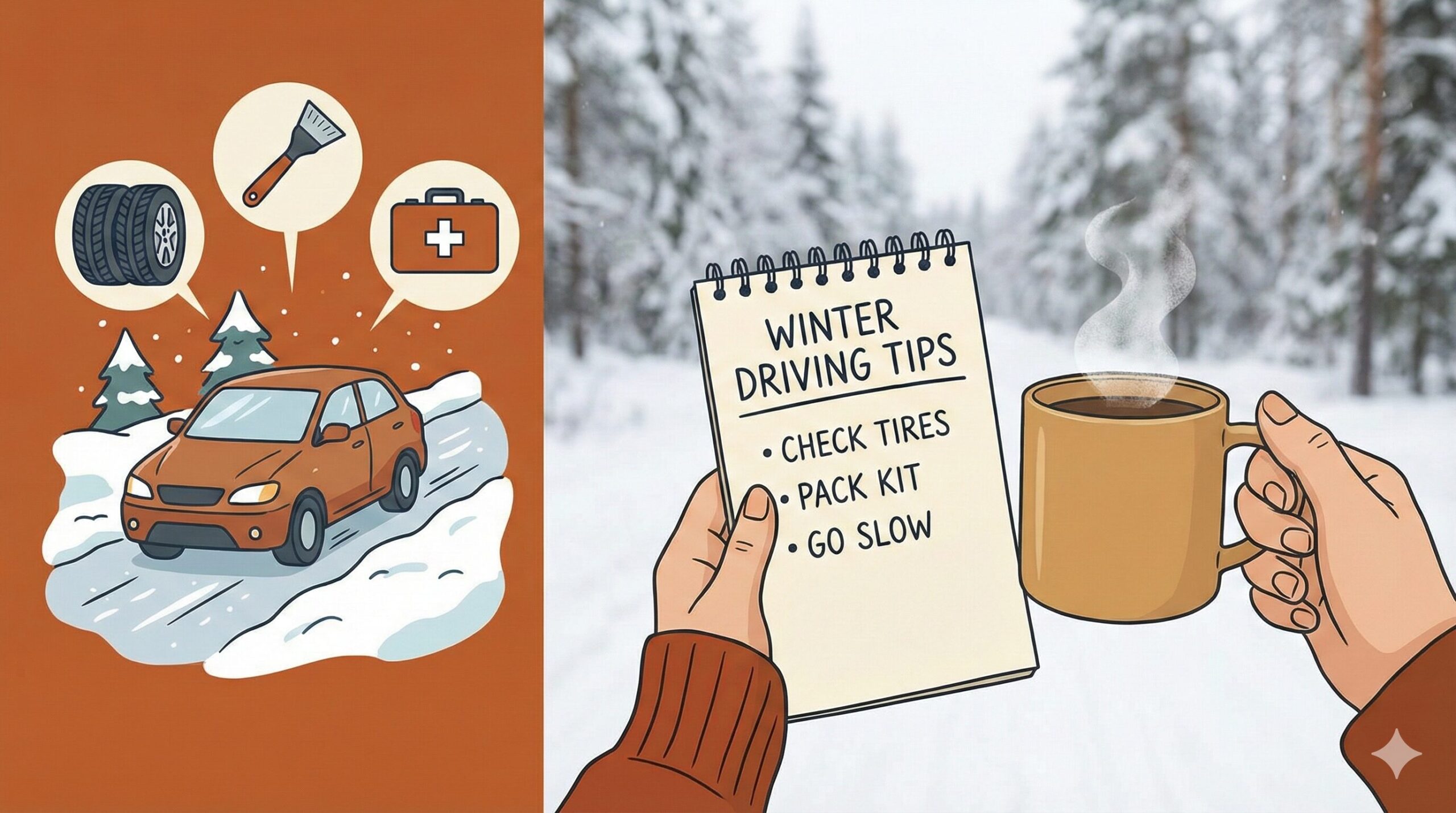
Winter transforms familiar roads into obstacle courses. The grip you took for granted in July vanishes in January. Visibility drops to near zero in squalls, and mechanical issues that were minor annoyances in the summer—like a weak battery, worn belts, or aging wiper blades—become life-threatening failures in sub-zero temperatures.
Yet, life doesn’t stop for the snow. Whether you are commuting to work, picking up your kids from school, or heading out for a cross-country holiday adventure, understanding the physics of winter driving is non-negotiable. It isn’t just about driving slower; it’s about driving smarter, anticipating hazards long before you reach them, and preparing your vehicle thoroughly for the harsh conditions ahead.
This guide goes far beyond the basic, recycled advice of “slow down.” We will dive deeply into the mechanics of traction, the chemistry of winter fluids, the split-second decisions that prevent catastrophic accidents, and the subtle but crucial differences between handling front-wheel drive (FWD), rear-wheel drive (RWD), and all-wheel drive (AWD) vehicles on ice.
Understanding Winter Weather Advisories
Before you even put your key in the ignition, you need to understand what meteorologists are trying to tell you. Driving blindly into a storm system without understanding its severity is a recipe for disaster. The National Weather Service issues specific alerts that dictate how you should plan your travel.
Winter Weather Advisory vs. Watch vs. Warning
Many drivers confuse these terms, which can lead to poor decision-making:
- Winter Weather Advisory: Issued when winter weather (snow, sleet, freezing rain) is expected to cause significant inconveniences and may be hazardous. Caution should be used during travel. If you drive defensively, you can generally reach your destination safely.
- Winter Storm Watch: This is a heads-up. It means there is a potential for significant and hazardous winter weather within the next 48 hours. It does not mean the weather is guaranteed, but it means you should prepare your vehicle, check your emergency kit, and consider altering travel plans.
- Winter Storm Warning: This indicates that severe winter weather is imminent or occurring. Travel will become exceedingly dangerous or impossible. Unless it is an absolute emergency, stay off the roads.
- Blizzard Warning: The most severe alert. It signifies sustained winds or frequent gusts of 35 mph or greater, accompanied by falling and/or blowing snow, frequently reducing visibility to less than a quarter-mile for three hours or more. Driving in a blizzard is akin to driving blindfolded.
Winterizing Your Car: A Comprehensive Mechanical Defense
Your defensive driving skills rarely matter if your car refuses to start in the driveway or if your defroster can’t keep the windshield clear during a whiteout. Winter is inherently brutal on machinery, shrinking seals, thickening oils, and zapping battery voltage. Before the first major cold snap, you must perform a rigorous audit of your vehicle’s mechanical health.
1. Battery Health and Cold Cranking Amps (CCA)
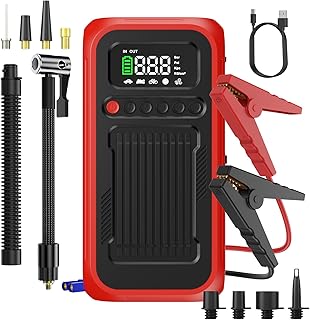
Cold weather dramatically slows down the chemical reaction inside lead-acid batteries while simultaneously requiring more power to turn over a cold engine with thick oil. At 32°F (0°C), a battery loses about 35% of its strength. When temperatures plummet to 0°F (-18°C), it loses a staggering 60% of its power.
If your battery is more than three years old, get it load-tested at an auto parts store (often done for free). Look specifically at the battery’s Cold Cranking Amps (CCA) rating. A rating of 600 CCA or higher is generally recommended for harsh winter climates. Furthermore, clean any corrosive buildup on the battery terminals with a mixture of baking soda and water, ensuring a solid electrical connection. For specific recommendations, check our guide on the best car batteries for cold weather.
2. Engine Oil Viscosity: The Lifeblood of Your Engine
Engine oil thickens as temperatures drop. If your oil is too thick, the engine’s oil pump will struggle to circulate it when you first start the car, leading to premature engine wear. Many modern vehicles require multi-viscosity oils (like 5W-30). The “W” stands for Winter. A lower first number indicates the oil will flow more easily in cold temperatures. For extreme cold, some manufacturers recommend switching from a 5W-30 to a 0W-30 synthetic oil. Always consult your owner’s manual before changing oil weights, and strongly consider using full synthetic oil in the winter, as it resists cold-weather thickening far better than conventional oil.
3. The Cooling System and Antifreeze Mixture
It sounds counterintuitive to worry about your “cooling” system in freezing weather, but the fluid in your radiator (coolant/antifreeze) is what keeps the engine block from cracking due to ice expansion. Over time, coolant degrades. You need a 50/50 mixture of antifreeze and distilled water. This specific ratio lowers the freezing point of the liquid to around -34°F (-37°C) while raising the boiling point. You can buy a cheap antifreeze tester at any auto store to check your coolant’s specific gravity and ensure it’s up to the winter task.
4. Winter Fluids and Heavy-Duty Wipers
Summer bug-wash windshield fluid will freeze instantly upon contact with cold glass, or worse, freeze inside the reservoir and expand, cracking the plastic tank or the delicate pump lines. Before winter hits, flush out the summer fluid and switch to a winter-blend washer fluid rated for at least -20°F (or -30°F in northern regions).
Simultaneously, replace your standard wiper blades with specialized winter blades. Winter blades feature a rugged rubber boot that covers the blade’s framework, preventing ice and snow from building up and freezing the joints, ensuring the blade maintains constant contact with the curvature of your windshield.
5. Belts, Hoses, and Spark Plugs
Cold temperatures cause rubber to contract and become brittle. A serpentine belt that looked “okay” in August might snap in January. Inspect all belts for fraying, cracking, or glazing. Similarly, check radiator hoses for soft spots or brittleness. Lastly, cold weather exacerbates ignition issues. If your spark plugs are nearing the end of their lifespan, cold weather will make your car harder to start, causing rough idling and poor fuel economy.
6. Tire Pressure Fluctuations
For every 10-degree Fahrenheit drop in ambient temperature, your tires will lose approximately 1 PSI (pound per square inch) of pressure. A tire that was properly inflated at 70°F could be dangerously underinflated at 20°F. Underinflated tires have reduced traction, increased stopping distance, and a higher risk of blowouts. Check your tire pressure weekly during the winter using a reliable gauge, ensuring you inflate them to the PSI listed on the sticker inside the driver’s side door jamb (not the max pressure on the tire sidewall).
Tires: The Unsung Heroes of Winter Safety
It is a common and dangerous misconception that having All-Wheel Drive (AWD) or Four-Wheel Drive (4WD) makes a vehicle invincible in the snow. AWD and 4WD are phenomenal systems for getting moving—they distribute torque to prevent you from getting stuck. However, they do absolutely nothing to help you stop or corner. Stopping and turning rely entirely on the four contact patches where your rubber meets the road. If those tires have no grip, you will crash, regardless of how many wheels are being driven.
The “All-Season” Myth
The name “All-Season” is a marketing compromise. The rubber compound used in all-season tires is designed to provide adequate performance in summer heat, rain, and light autumn conditions. However, the chemistry of the rubber causes it to begin hardening at around 45°F (7°C). By the time temperatures reach freezing, an all-season tire becomes hard, much like a hockey puck sliding across an ice rink, dramatically increasing your stopping distance.
Winter Tires (Snow Tires): The Ultimate Upgrade
Winter Tires (often identified by the Three-Peak Mountain Snowflake symbol on the sidewall) are engineered with a hydrophilic (water-loving) rubber compound enriched with silica. This compound remains soft, pliable, and flexible even in extreme sub-zero temperatures, allowing the tire to conform to the microscopic imperfections in the ice and snow.
Furthermore, the tread design is entirely different. Winter tires feature wider grooves to expel snow and slush, and thousands of tiny zigzag slits called “sipes.” These sipes open up as the tire rolls, creating thousands of biting edges that grab onto snow and ice. Driving with dedicated winter tires is the single most effective safety upgrade you can make to your vehicle. Tests routinely show that a 2WD vehicle with winter tires will vastly outperform an AWD vehicle with all-season tires when it comes to stopping and cornering on snow.
Studded vs. Studless Winter Tires
If you live in extreme environments with constant hard-packed snow and ice, you may consider studded tires. These have small metal pins embedded in the tread that physically dig into the ice. However, studded tires are noisy, damage dry pavement, and offer poorer traction on wet or dry roads compared to studless winter tires. Advances in modern studless rubber compounds (like Michelin X-Ice or Bridgestone Blizzak) have made studded tires largely unnecessary for the average driver.
Tire Chains and Cables
In certain mountainous regions, tire chains are not just recommended—they are legally required during heavy storms. Chains provide unparalleled grip in deep snow, but they must be driven on at very low speeds (usually under 30 mph). Always practice installing tire chains in your driveway before you need to do it on the side of a freezing, dark highway.
Unsure if your current vehicle setup is adequate? Read our detailed comparison on whether FWD is good enough for snow versus AWD systems.
Critical Driving Techniques for Slippery Roads
Even with a perfectly winterized car and brand-new snow tires, your behavior behind the wheel is the final determining factor in your safety. The cardinal rule of winter driving is managing weight transfer. Every time you accelerate, brake, or steer, the vehicle’s weight shifts. In summer, tires have enough grip to handle sudden weight shifts. In winter, sudden shifts overwhelm the tire’s limited traction, resulting in a skid. Smoothness is your best friend.
1. The Egg Under the Pedal: Accelerating and Braking
Imagine there is a fragile egg between your foot and the gas pedal, and another under the brake pedal. If you stomp on either, you break the egg. Apply the gas slowly and deliberately to regain traction and avoid spinning the wheels. Wheel spin creates heat, which melts the snow slightly, turning it into a layer of ice underneath the tire, making you even more stuck.
When stopping, anticipate the stop far in advance. Coast to slow down before applying gentle, steady pressure to the brake pedal. It takes significantly longer to slow down on icy roads—sometimes up to ten times longer than on dry pavement.
2. Expanding the Following Distance
The normal “three-second rule” used in fair weather must be expanded to a minimum of eight to ten seconds in snowy or icy conditions. Pick a stationary object (like a road sign) that the car ahead of you passes, and count how many seconds it takes you to reach that same object. This expanded buffer zone gives you the time necessary to react if the car in front of you spins out or slams on their brakes, allowing you to stop gently without locking your wheels or losing steering control.
3. The Physics of Hills: Momentum is Key
Navigating hills on snow and ice requires finesse. There’s nothing worse than coming to a dead stop halfway up a steep hill on an icy road. Once you lose forward momentum, gravity and lack of traction make starting again almost impossible.
- Going Up: Get your inertia going on the flat roadway before you take on the hill. Carry that momentum smoothly to the top. Do not apply extra gas while on the incline; this will only cause your wheels to break traction and spin. Let the car’s inertia carry you over the crest.
- Going Down: Never coast in neutral or ride your brakes down a snowy hill. Downshift your transmission into a lower gear (L, 2, or 1, depending on your vehicle). This utilizes “engine braking,” which slows the vehicle through the mechanical resistance of the engine rather than relying solely on the friction brakes, drastically reducing the chance of your wheels locking up and inducing a slide.
4. Look Where You Want to Go (Target Fixation)
Human instinct dictates that we stare at the thing we are afraid of hitting. If you start sliding toward a telephone pole, you will naturally stare at the pole. This is called target fixation. In a skid, your hands will subconsciously steer the car in the direction your eyes are looking. You must train yourself to look away from the hazard and physically turn your head to look at the empty path or safe escape route where you want the car to go.
Advanced Skid Control: Understeer vs. Oversteer
Despite your best efforts at driving smoothly, a patch of ice or a hidden slush pile can throw your car into a slide. Understanding how to react to different types of skids can mean the difference between a minor adrenaline rush and a major collision.
Understanding ABS (Anti-Lock Braking System)
First, you must understand your brakes. Nearly all modern cars have ABS. When you brake hard on a slippery surface, the wheels want to lock up. When wheels lock, you cannot steer. ABS automatically pumps the brakes hundreds of times per second to prevent wheel lockup, allowing you to maintain steering control while stopping.
If you have to brake suddenly, stomp and steer. Press the brake pedal as hard as you can and keep it there. You will feel a violent, rapid pulsing in the pedal, and you will hear a loud grinding or ratcheting noise. This is completely normal—it means the ABS is working. Do not pump the brakes yourself (that defeats the ABS), and do not take your foot off the pedal. Keep the brake floored and steer around the obstacle.
Handling Understeer (Front-Wheel Skid)
Understeer happens when you turn the steering wheel, but the car continues plowing straight ahead. This is very common in Front-Wheel Drive (FWD) vehicles, especially when entering a corner too fast.
- The Cause: The front tires have lost grip due to excessive speed or steering angle.
- The Fix: Resist the urge to turn the steering wheel more; turning sharper will not help tires that have already lost grip. Instead, carefully take your foot off the gas pedal. Do not slam the brakes. By lifting off the gas, the weight of the vehicle shifts forward onto the front tires, pushing them down into the snow and helping them regain traction. Once traction is regained, gently steer back onto your intended path.
Handling Oversteer (Rear-Wheel Skid / Fishtailing)
Oversteer occurs when the rear wheels lose traction before the front wheels, causing the back of the car to swing out sideways. This is common in Rear-Wheel Drive (RWD) vehicles, but can happen in any vehicle on ice.
- The Cause: Applying too much power in a corner, or suddenly lifting off the gas mid-corner, causing the rear tires to break loose.
- The Fix: Steer into the skid. If the rear of your car is sliding out toward the passenger side, smoothly turn the steering wheel toward the passenger side. Keep your foot lightly on the gas if you have a FWD or AWD car (to pull the front end straight), or lift off the gas completely if you have a RWD car. Avoid sudden, jerky steering inputs, as overcorrecting will cause the car to snap back and spin in the opposite direction (a phenomenon known as “fishtailing”).
Navigating Specific Winter Weather Hazards
Winter isn’t just fluffy white snow; it comes in a variety of menacing forms, each requiring a specific tactical approach from the driver.
Whiteouts and Blizzards
A whiteout occurs when heavy falling snow, blowing snow, or a combination of both reduces visibility to near zero. You literally cannot see the hood of your own car.
- Turn on your low beams. Never use your high beams in a snowstorm. High beams point light directly up into the falling snow, creating a blinding, reflective white wall of glare. Low beams cut under the snow to illuminate the road.
- Use fog lights if equipped. They are mounted lower and help illuminate the road markers.
- Do not stop in the lane of travel. If you cannot see, the person behind you cannot see either, and they will rear-end you. If you must stop, use the edge line on the right side of the road to guide you to the shoulder, pull over as far as safely possible, and turn on your hazard lights.
Freezing Rain (The Most Dangerous Condition)
Freezing rain looks exactly like regular rain falling from the sky, but the ground temperature is below freezing. The moment the rain hits the pavement, it instantly freezes into a solid sheet of glaze ice. This is the most dangerous driving condition imaginable. Even studded winter tires and chains struggle on pure glaze ice.
If you notice rain falling, but ice is quickly accumulating on your windshield wipers, side mirrors, or radio antenna, the road is also turning into a sheet of ice. You must slow down immediately, increase following distance to maximum, and strongly consider exiting the highway to find a safe place to wait out the storm until salt trucks arrive.
Slush and Hydroplaning
Slush is a mixture of water and partially melted snow. It is heavy, dense, and incredibly unpredictable. Slush often accumulates in the center of the lane or between lanes. When changing lanes through a slush berm, the dense slush will grab the tire and try to violently pull the car in that direction.
Hold the steering wheel firmly with both hands (at 9 and 3 o’clock) when crossing slush. Furthermore, just like deep water, high speeds on slush will cause your tires to hydroplane—riding on top of the slush rather than cutting through it to the pavement. If you feel the steering wheel become suddenly “light” or unresponsive, ease off the gas to let the tires sink back down to the road surface.
The Invisible Enemy: Handling Black Ice
Black ice isn’t actually black; it’s a perfectly transparent, ultra-thin layer of ice that allows the dark color of the asphalt to show through, making the road look like it’s just mildly wet. It is the silent assassin of winter driving.
Where Does Black Ice Form?
Black ice is highly localized. It forms most frequently during the night or early morning hours when temperatures are at their lowest. Pay extreme caution to:
- Bridges and Overpasses: Cold air circulates both above and underneath bridges, causing them to freeze much faster than the adjacent roadway, which is insulated by the solid earth beneath it.
- Shaded Areas: Stretches of road shaded by trees, mountains, or tall buildings where the winter sun cannot penetrate to melt the morning frost.
- Intersections: Car exhaust contains water vapor. When vehicles idle at red lights in sub-zero temperatures, that exhaust vapor condenses and freezes on the pavement, creating slick spots right where you need to brake.
How to Detect and Handle Black Ice
You often won’t see black ice until you are already on it. The best indicator is audio: if you are driving on wet pavement, you hear a distinctive “slushing” sound from your tires. If that sound suddenly goes completely silent, you have transitioned from wet pavement to ice.
If you hit black ice:
- Do NOT slam the brakes. This locks the wheels (or triggers ABS aggressively) and immediately removes all steering capability.
- Ease off the accelerator. Keep the steering wheel completely straight. Let the car coast over the ice patch until the tires find traction again.
- Steer into the slide. If your rear end kicks out, turn the wheel in the direction of the slide to correct it, but do so smoothly without overreacting.
For a deep dive into this specific hazard, check our detailed guide on how to survive black ice encounters.
Sharing the Road with Snowplows
Snowplow drivers work incredibly long, exhausting hours in the worst possible conditions to make the roads passable for everyone else. Treating them with respect is essential for your safety.
Rules of Engagement with Plows:
- Give them room: Plows are massive, heavy machines that need ample room to maneuver. Stay at least 200 feet (about three to four car lengths) behind a working plow.
- Beware the “Snow Cloud”: Plows kick up massive clouds of powdery snow that can completely obscure your vision and hide the plow itself. Never tailgate a plow into this cloud.
- Never pass a plow on the right: The plow blade angles snow, ice, and heavy debris off to the right side (the shoulder). Attempting to pass on the right means driving directly into a heavy wave of flying snow and rocks.
- Patience is key: Yes, getting stuck behind a plow moving at 25 mph is frustrating. However, the road in front of the plow is unplowed and dangerous. The safest place you can possibly be during a storm is directly behind a plow, driving on the freshly cleared and salted pavement.
Preparation for Long-Distance Winter Road Trips
Driving to the grocery store in a flurry requires caution; driving cross-country for the holidays requires meticulous strategic planning.
1. Route Planning and Weather Apps
Do not rely blindly on standard GPS routing (like Google Maps or Waze) during winter storms. A GPS might route you onto an unplowed rural backroad just to save five minutes of traffic time. Stick to major interstates and state highways, as these are prioritized by state Department of Transportation (DOT) plowing crews. Utilize local DOT 511 websites or apps to view live highway camera feeds and check for road closures.
2. The “Float Plan”
Borrow a tactic from boaters: file a float plan. Tell a trusted friend or family member exactly what route you are taking, what time you are leaving, and when you expect to arrive. Agree to check in at specific intervals. If you slide off into a ravine in an area with no cell service, search and rescue crews need to know exactly which highway corridor to search.
3. Packing and Weight Distribution
If you have a Rear-Wheel Drive (RWD) vehicle, adding weight over the rear axle (like bags of sand or kitty litter in the trunk) can significantly improve traction. However, be mindful of how you pack luggage inside the cabin. In the event of a sudden stop or crash, loose heavy items become dangerous projectiles. Secure heavy bags low to the floorboards.
4. Keep the Gas Tank Half Full
Never let your gas tank drop below half full during the winter. A fuller tank prevents condensation from forming and freezing in your fuel lines. More importantly, if you get stranded in a massive highway gridlock due to a crash ahead, or if you slide off the road, you will need that fuel to keep the engine running and the heater on while you wait for rescue.

What to Do If You Get Stuck (Self-Recovery and Survival)
Despite exceptional preparation and cautious driving, mother nature occasionally wins. If you slide into a snowbank or ditch, panic is your worst enemy. Assessing the situation calmly and acting methodically will keep you safe.
Attempting Self-Recovery: The Rocking Method
If you are embedded in deep snow but not completely off the road, you may be able to extricate yourself using the “rocking” method.
- Turn off Traction Control: In deep snow, traction control will detect wheel spin and cut engine power, stranding you. Turn the system off temporarily to allow the wheels to chew through the snow.
- Clear the Path: Use your folding shovel to dig out the snow in front of and behind all four tires. Clear away snow packed tightly under the vehicle’s chassis, which can beach the car, suspending the tires in the air.
- Rock the Car: Put the car in drive (or 1st gear), gently apply the gas to move forward a few inches until the car naturally rolls back. The instant it rolls back, shift to reverse and gently back up a few inches. Shift back to drive, and repeat. You are creating a pendulum momentum effect to pack down the snow and rock yourself out of the rut. Be careful not to switch gears while the wheels are spinning rapidly to avoid transmission damage.
- Use Floor Mats: If you don’t have traction boards or kitty litter, take the rubber floor mats out of your car and wedge them under the driving wheels (front wheels for FWD, rear wheels for RWD) to provide emergency grip.
When to Stay Put (Survival Mode)
If your car is severely damaged, stuck deep in a ditch, or if you are stranded in a rural area during an active blizzard, self-recovery is impossible. You must shift into survival mode.
- Stay with your vehicle. Do not attempt to walk to find help during a storm. Visibility is poor, temperatures can cause rapid hypothermia, and your car provides superior shelter. Rescuers can spot a vehicle much easier than a single person wandering in a field.
- Clear the exhaust pipe. This is critical. Ensure snow isn’t blocking the tailpipe. A blocked tailpipe will force deadly, odorless carbon monoxide gas back into the cabin of the car. Check it periodically if it is actively snowing.
- Run the engine sparingly. Run the engine and heater for just 10 minutes every hour to take the chill out of the air, then shut it off to conserve fuel. While the engine is running, slightly crack a downwind window to ensure fresh air ventilation.
- Make yourself visible. Tie a brightly colored cloth (like a red bandana) to your radio antenna or trap it in the top of your window. If it’s night, place battery-operated flares or reflective triangles behind your car, and turn on the interior dome light to make the cabin glow.
Building a Winter Survival Kit
Every trunk should contain a dedicated “Go Bag” optimized for winter emergencies. If you slide off a remote highway during a major weather event, tow trucks and emergency services will be overwhelmed, meaning help could literally be hours—or even a day—away. You must be self-sufficient.
The Ultimate Winter Kit Includes:
- Warmth & Clothing: A heavy wool blanket or sleeping bag for every passenger. Extra hats, waterproof winter gloves, and thermal socks. (Do not rely on the car’s heater).
- Food & Water: High-calorie, non-perishable snacks like energy bars, trail mix, or chocolate. Store water in flexible plastic bottles and leave some room for expansion, as glass bottles will shatter when the water freezes.
- Recovery Tools: A collapsible metal shovel, a bag of non-clumping kitty litter or sand (for traction), and heavy-duty jumper cables (at least 4-gauge thickness).
- Visibility & Communication: An LED flashlight with extra batteries, chemical light sticks, a brightly colored flag, and a portable cell phone power bank.
- Medical: A comprehensive first aid kit, including any necessary daily prescriptions.
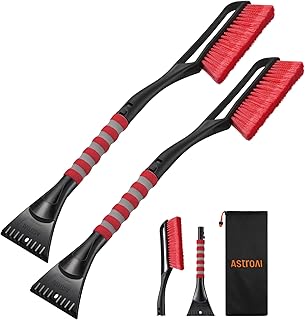
- Miscellaneous: Hand warmers, an extra ice scraper, basic hand tools (screwdrivers, pliers), and waterproof matches.
Review our comprehensive winter car emergency kit checklist to make sure you aren’t missing anything vital before your next trip.

Post-Storm Maintenance: Defending Against Road Salt
Surviving the drive is only part of the battle; you also must ensure your vehicle survives the chemical warfare taking place underneath it. Municipalities use thousands of tons of rock salt and magnesium chloride to melt ice. While these chemicals keep the roads safe, they are highly corrosive to bare metal.
The Rust Threat
When road salt mixes with melting snow, it creates a briny solution that coats the undercarriage of your car, creeping into suspension joints, brake lines, and exhaust components. Left uncleaned, this brine will rapidly accelerate oxidation, leading to severe rust that can compromise the structural integrity of your vehicle and cause critical components (like brake lines) to fail.
Washing Your Car in Winter
It seems counterproductive to wash a car in freezing weather, but it is strictly necessary. Wait for a day when the temperature creeps just above freezing, and visit a touchless car wash that specifically includes an “undercarriage wash” or “underbody flush.”
- Frequency: Wash your car at least once every two weeks during the winter, or immediately after a major snowstorm clears.
- Rubber Floor Mats: Inside the car, salt carried in on your boots will soak into the carpet, corroding the floorboards from the inside out. Invest in deep-dish rubber floor liners (like WeatherTech) that trap melting snow and salt before it reaches the carpet.
- Rust-Proofing Sprays: Consider applying a lanolin-based or oil-based undercoating spray (like Fluid Film) before winter begins. These thick coatings repel water and act as a physical barrier between the vulnerable metal of your chassis and the corrosive road salt.