Choosing the Right Cargo Liner Material Types for Your Vehicle
Rubber, thermoplastic, carpet, or canvas — the material behind your cargo liner determines how well it survives muddy boots, spilled paint, dog claws, and years of daily loading. Here’s how to match the right one to your vehicle and lifestyle.
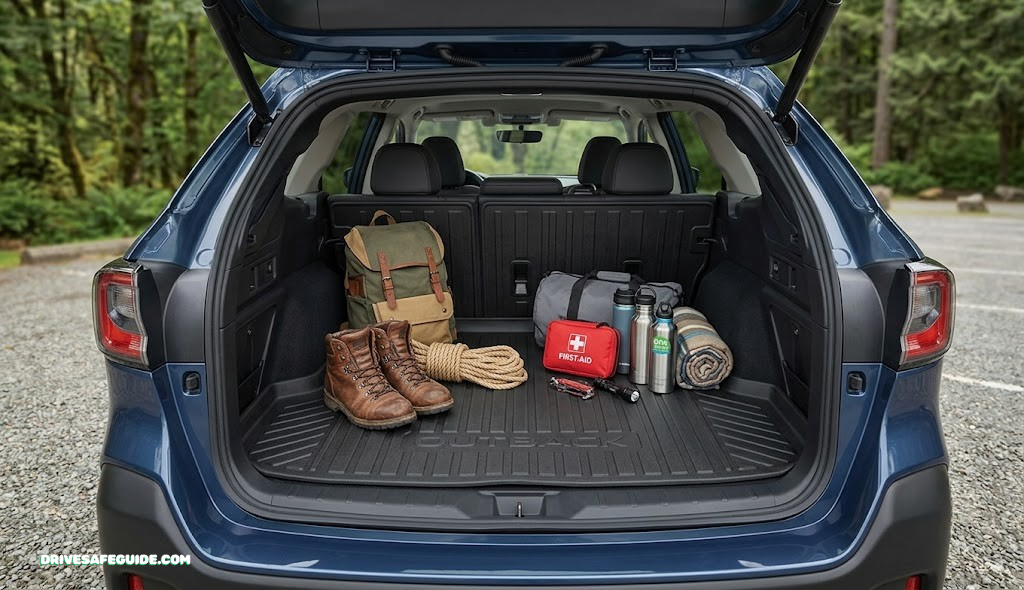
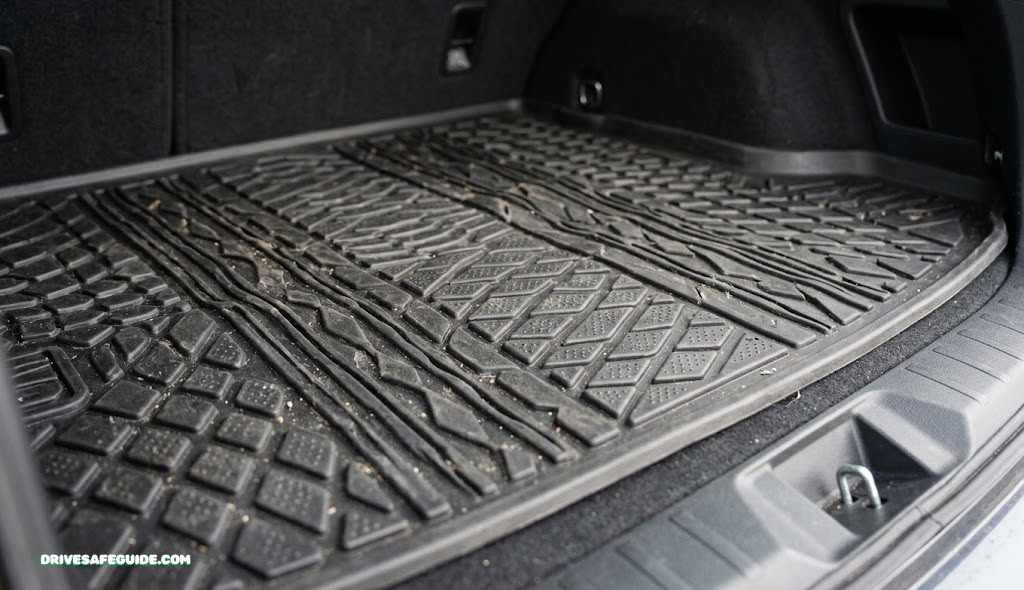
A properly matched cargo liner does more than protect carpet — it protects resale value.
Why the Material Behind Your Cargo Liner Actually Matters
Most drivers shop for a cargo liner the same way they shop for phone cases — by price and by whatever shows up first in a search. But the material a liner is made from decides almost everything about how it performs: whether it traps or repels moisture, whether it cracks in a hot garage or turns brittle in a Minnesota winter, and whether it still looks presentable after two years of hauling mulch, dog gear, and grocery overflow.
A cargo liner sits at the intersection of two jobs that don’t always get along. It has to be tough enough to shrug off scratches, spills, and grit, while also staying flexible enough not to crack, curl, or slide around when the vehicle is loaded and unloaded dozens of times a month. Different materials solve that tension in very different ways, and the “best” one really depends on what’s going into your trunk or cargo area on a regular basis.
If you’re a weekend hardware-store hauler, a rubber liner built for abuse is going to outperform anything softer. If your cargo area rarely sees anything messier than luggage, a carpet-style liner might actually look and feel nicer for daily use. And if you split time between muddy trailheads and clean grocery runs, a hybrid or all-weather thermoplastic liner tends to be the compromise that keeps everyone happy.
This guide breaks down every major material category sold today, how each one holds up in real-world use, and how to think about custom-molded versus universal-fit options. Before buying a full road trip essentials checklist worth of gear, it helps to know your trunk floor can actually take the punishment.
How Manufacturers Actually Test These Materials
Most reputable cargo liner brands run their materials through a handful of standardized stress tests before a product ever reaches a store shelf. Abrasion resistance is typically measured with a Taber rotary abrader, which simulates years of dragging boxes and boots across the surface in a matter of hours. Tensile strength tests pull the material until it tears, giving engineers a number they can compare across rubber, thermoplastic, and vinyl formulations. UV chambers subject samples to accelerated sunlight exposure equivalent to several years outdoors, which is how manufacturers can claim a liner is “fade resistant” without waiting three summers to find out.
None of this is marketing fluff you need to memorize, but it explains why two rubber liners that look identical in a product photo can perform completely differently after eighteen months. A liner built from a compound that passed rigorous abrasion and UV testing will still look presentable long after a cheaper, untested equivalent has cracked, faded, or started shedding material.
The Hidden Cost of Choosing the Wrong Material
It’s easy to underestimate how much a poorly matched liner actually costs over time. A carpet liner in a vehicle used for landscaping work doesn’t just look bad after a season — it can develop trapped moisture underneath that leads to mold growth on the factory cargo floor, sometimes requiring professional detailing or even carpet replacement to fully resolve. On the flip side, a heavy rubber liner in a vehicle that only ever hauls soft luggage adds unnecessary weight and a level of ruggedness that’s simply never used.
Getting the material right the first time isn’t just about convenience. It’s a genuine cost-avoidance decision that pays off every time you load or unload the vehicle for years to come.

Rubber Cargo Liners: The Workhorse Option
Rubber is the material most people picture when they think “cargo liner” — thick, slightly textured, usually black or charcoal, and built to survive whatever gets dragged across it. Traditional rubber liners are made from either natural rubber compounds or synthetic blends, and they’re prized for one thing above all else: they don’t care about mess.
Spilled potting soil, wet firewood, a leaking cooler, muddy paws — rubber shrugs it all off. Because the material itself is non-porous, liquids bead up rather than soaking in, which makes cleanup as simple as tilting the liner and rinsing it with a hose or wiping it down with a damp cloth. That’s a major advantage over fabric-based liners, which can hold onto odors and stains long after the mess itself is gone.
Where Rubber Excels
Rubber holds up exceptionally well in temperature swings, which matters if your vehicle spends summers in a hot driveway and winters buried in snow. Quality rubber compounds are formulated to resist UV cracking and cold-weather brittleness, though budget liners without UV stabilizers can start to stiffen and crack after a couple of years in direct sun.
Where Rubber Falls Short
The tradeoff is weight, noise, and feel. Rubber liners are heavier than their fabric or thermoplastic counterparts, and they can produce a hollow rattle over rough pavement if they’re not a tight fit for your specific trunk or cargo floor. They also tend to look more utilitarian than upscale, which matters if you’re using the same vehicle for client meetings and Home Depot runs.
Pros
- Excellent liquid and stain resistance
- Easy hose-down cleaning
- Durable against sharp or heavy cargo
- Handles temperature extremes well
Cons
- Heavier than fabric or thermoplastic options
- Can shift or rattle if not a precise fit
- Utilitarian appearance
- Budget versions may crack under UV over time
Rubber liners pair naturally with anyone who already keeps a stocked car safety kit with tire, battery, and first-aid supplies in the trunk — the same durability that protects against road-trip spills also protects against a leaking jump starter or first-aid kit.
Natural vs. Synthetic Rubber Compounds
Not all rubber liners are created from the same base material. Natural rubber offers excellent elasticity and grip but can be more susceptible to ozone cracking over long periods of outdoor exposure. Synthetic compounds, such as those blended with EPDM (ethylene propylene diene monomer), are engineered specifically to resist ozone, UV, and temperature extremes, which is why higher-end rubber liners often list EPDM content as a selling point. If you’re comparing two similarly priced rubber liners, checking for EPDM or a comparable synthetic blend is a reasonable tiebreaker.
Odor and Off-Gassing Considerations
New rubber products, especially lower-cost imports, can carry a noticeable odor for the first few days after installation. This is typically residual manufacturing compound off-gassing and dissipates with ventilation, but it’s worth airing out a new rubber liner with the windows down for a day or two rather than immediately sealing it inside a closed vehicle in hot weather, which can intensify the smell temporarily.

All-Weather Thermoplastic (TPE/TPO) Liners
All-weather liners — the kind sold as semi-rigid trays with raised edges — are typically molded from thermoplastic elastomer (TPE) or thermoplastic olefin (TPO). These materials borrow some of rubber’s toughness while shedding a lot of its weight and rigidity issues, which is why this category has become the default recommendation for most SUV and crossover owners.
The defining feature of thermoplastic liners is the raised lip or “tub” design. Instead of a flat mat, most all-weather liners are molded into a shallow tray that contains spills and debris within its own walls, rather than letting them run off onto the carpet underneath. That containment factor is arguably more valuable than the material itself for anyone who transports liquids, plants, or loose items regularly.
Semi-Rigid Structure Advantages
Because thermoplastic holds its shape rather than lying flat like fabric, it resists denting from heavy items like tool boxes or coolers, and it doesn’t compress permanently under sustained weight the way some carpet backing can. It also tends to feel less “cheap” than raw rubber while still delivering comparable spill resistance.
Where It Can Fall Short
Semi-rigid materials can develop a squeak against plastic trim over time, particularly in colder climates where the material contracts slightly. Custom-molded thermoplastic liners also cost noticeably more than universal rubber or carpet mats, since they require vehicle-specific tooling.
| Trait | Rubber | Thermoplastic (TPE/TPO) |
|---|---|---|
| Spill containment | Moderate (flat mat) | High (raised-edge tray) |
| Weight | Heavier | Lighter |
| Appearance | Utilitarian | More refined, semi-gloss |
| Typical price tier | Budget to mid | Mid to premium |
TPE vs. TPO: Is There a Real Difference?
Shoppers often see both TPE and TPO listed on competing products without a clear explanation of what separates them. TPE tends to offer slightly better flexibility in cold weather, which can translate to less brittleness if a liner gets stepped on or folded during removal in winter. TPO, meanwhile, generally has a marginally higher resistance to oil and grease staining, which matters if the cargo area regularly sees automotive parts, bike chains, or lawn equipment. In practice, the difference is subtle enough that fit and edge height matter far more to real-world performance than which specific thermoplastic blend is used.
Depth and Edge Height: The Overlooked Spec
Two thermoplastic liners can use identical material and still perform very differently based on tray depth. A liner with a shallow half-inch lip offers minimal containment for anything beyond light drips, while a deep-tray design with a two-inch or higher wall can hold a genuinely significant spill — think a fully leaked cooler — without it reaching the carpet underneath. When comparing products, tray depth is worth checking as closely as the material itself.

Carpet and Fabric Cargo Liners
Carpet-style liners are the softer, quieter alternative to rubber and thermoplastic options. Made from tufted polyester or nylon fibers backed with a rubberized or latex underside, they’re designed to blend in with a vehicle’s factory cargo carpet rather than stand out as an aftermarket add-on.
The biggest selling point of carpet liners is aesthetics and noise. They don’t rattle, they don’t feel cold or hard underfoot when folding down rear seats, and they generally match factory interior colors far better than black rubber ever could. For vehicles that spend most of their time hauling luggage, groceries, and everyday items rather than construction debris, carpet liners often make more practical sense than rugged alternatives.
The Absorption Tradeoff
The obvious weakness is porosity. Carpet fibers absorb liquid rather than repelling it, which means a spilled drink or a wet umbrella can soak through to the factory carpet below if it isn’t caught immediately. Stains are also harder to fully remove from carpet liners than to wipe off a rubber or thermoplastic surface.
Pros
- Quiet, no rattling against trim
- Matches factory interior aesthetics
- Comfortable for pets and passengers
- Lightweight and easy to remove for cleaning
Cons
- Absorbs spills instead of repelling them
- Harder to fully deep-clean
- Can trap pet hair and odors
- Not ideal for muddy or wet cargo
If your cargo area regularly doubles as a dog bed, it’s worth cross-checking crash-tested pet restraint ratings alongside your liner choice, since the two work together to keep both the animal and the vehicle secure.
Fiber Density and Wear Patterns
Carpet liner quality varies enormously based on fiber density, typically measured in ounces per square yard. Low-density carpet liners can start showing worn, matted patches in high-traffic loading zones within a year or two, while denser tufted carpet holds its texture and appearance considerably longer. If a listing doesn’t mention fiber weight, checking buyer photos after several months of use is often more informative than the initial product images.
Backing Material Matters Too
The rubberized or latex backing beneath a carpet liner does more work than most buyers realize — it’s what keeps the liner from sliding around and what provides whatever spill resistance the product does have. Cheaper carpet liners sometimes use a thin, brittle backing that cracks and separates from the carpet layer after repeated folding, so checking backing thickness and flexibility is worth a few extra minutes of research before buying.
Vinyl Cargo Liners
Vinyl sits between carpet and rubber on the durability spectrum. It’s non-porous like rubber, so it resists staining and wipes clean easily, but it’s typically thinner and lighter, which keeps costs down without sacrificing much day-to-day protection.
Budget-friendly universal liners are frequently made from vinyl because the material is inexpensive to produce in flat sheets and can be trimmed to fit a wide range of trunk shapes. It’s a reasonable middle-ground choice for drivers who want spill protection without paying for a fully custom-molded thermoplastic tray.
Longevity Considerations
The main knock against vinyl is long-term durability. Lower-grade vinyl can become brittle and crack after prolonged sun exposure, especially in vehicles parked outdoors in hot climates. Higher-grade vinyl blends with UV inhibitors hold up considerably better, so it’s worth checking the product description for UV-resistance claims before buying.
Drivers who keep their vehicle looking sharp for resale should also read up on paint care strategies for hot climates, since the same UV exposure that damages vinyl liners is often doing quiet damage to exterior finishes too.
Textured vs. Smooth Vinyl Finishes
Vinyl liners generally come in either a smooth, glossy finish or a textured, embossed finish designed to mimic the look of rubber. Textured finishes tend to hide light scuffs and scratches better over time, while smooth finishes are marginally easier to wipe completely clean but show surface scratches more visibly under direct light. For cargo areas that see frequent light abrasion — think grocery bags and shifting boxes rather than heavy tools — a textured finish is usually the more forgiving long-term choice.

Canvas and Heavy-Duty Fabric Liners
Canvas cargo liners are less common but worth knowing about, especially for truck bed and SUV owners who transport tools, sporting equipment, or work gear on a regular basis. Made from tightly woven, often waxed or treated cotton-polyester blends, canvas offers a unique combination of tear resistance and a rugged, tactical look.
Unlike carpet, treated canvas is usually water-resistant rather than fully waterproof, thanks to a wax or polyurethane coating applied during manufacturing. That coating needs occasional reapplication to stay effective, which is a maintenance step most other liner materials don’t require.
Best Suited For
Canvas liners tend to shine in cargo organizers, tool rolls, and structured storage inserts rather than flat trunk mats, since the material holds its shape well when sewn into pockets, dividers, and straps. If you’re building out a dedicated car camping conversion, canvas-based organizers are a natural fit alongside a rigid tray liner underneath.
Canvas Weight and Weave Density
Canvas is typically rated in ounces per square yard, similar to carpet, with lighter weaves around 10 to 12 ounces working well for organizer pockets and dividers, while heavier 16 to 18 ounce canvas holds up better as a standalone floor liner subjected to direct foot traffic and dragged cargo. Denser weaves resist puncture and abrasion noticeably better, though they also add weight and stiffness that can make a canvas liner harder to fold flat for storage.
Reproofing and Long-Term Care
Because the water resistance in treated canvas comes from a topical coating rather than the fiber itself, that protection wears down gradually with UV exposure and repeated cleaning. Most manufacturers recommend reapplying a wax-based or silicone waterproofing treatment every few months for liners used outdoors regularly, and less frequently for liners kept in an enclosed garage.
| Material | Water Resistance | Best Use Case | Typical Lifespan |
|---|---|---|---|
| Rubber | Excellent | Heavy outdoor hauling | 5–8+ years |
| Thermoplastic (TPE/TPO) | Excellent (with raised tray) | Mixed-use SUVs/crossovers | 6–10 years |
| Carpet/Fabric | Poor | Light-duty, everyday hauling | 3–6 years |
| Vinyl | Good | Budget spill protection | 3–5 years |
| Canvas (treated) | Moderate | Tools, gear, structured organizers | 4–7 years |
Custom-Molded vs. Universal-Fit Liners
Beyond raw material, fit is the second variable that determines how well a cargo liner actually performs. Custom-molded liners are engineered from 3D scans of a specific make, model, and trim’s cargo area, so every contour, wheel-well bump, and subwoofer housing is accounted for. Universal liners, by contrast, are cut to general dimensions and trimmed by the buyer to approximate a fit.
Custom-Molded Advantages
A precise, vehicle-specific liner sits flush against the cargo floor with minimal gaps, which dramatically improves spill containment and reduces shifting or rattling. It also tends to look like a factory-installed accessory rather than an obvious aftermarket add-on.
Universal-Fit Advantages
Universal liners are cheaper, more widely available, and transferable if you switch vehicles — a real advantage for anyone who trades cars every few years. The tradeoff is a less precise fit that can leave gaps along the edges where spills or debris can slip underneath.
Choose Custom-Molded If…
- You keep vehicles long-term
- Your cargo area has unusual contours (3-row SUV, hybrid battery hump)
- Spill containment is a top priority
Choose Universal If…
- You want the lowest upfront cost
- You plan to switch vehicles soon
- Your cargo floor is relatively flat and simple
Whichever route you choose, measure twice — cargo liners are notoriously hard to return once trimmed, which is the same lesson that applies to picking the right trailer hitch class before towing gear that might overlap with your cargo area setup.
How Manufacturers Build a Custom-Molded Liner
Custom-fit cargo liners are typically produced from a 3D laser scan of a specific vehicle’s cargo floor, captured directly from a physical sample vehicle or sourced from OEM CAD data. That scan becomes the basis for an injection or vacuum-forming mold, which is why custom liners can be considerably more expensive than universal alternatives — the tooling investment is spread across a single vehicle model rather than a generic shape sold across dozens of applications. It also explains why custom liners for extremely popular models are often cheaper than custom liners for less common or recently released vehicles, where tooling costs haven’t yet been offset by high sales volume.
A Middle-Ground Option: Semi-Custom Liners
A smaller category of “semi-custom” liners splits the difference, using a general shape with adjustable trim tabs or modular inserts designed to accommodate several related models within the same vehicle platform. These won’t achieve the precision of a fully custom mold, but they typically outperform a purely universal cut liner while costing less than a true custom-molded tray.

Full Material Comparison at a Glance
With five distinct material categories and two fit approaches, it helps to see everything side by side before deciding. The table below scores each material across the factors most owners care about, from spill resistance to overall cost.
| Factor | Rubber | Thermoplastic | Carpet | Vinyl | Canvas |
|---|---|---|---|---|---|
| Spill resistance | High | Very High | Low | Moderate–High | Moderate |
| Noise/rattle | Moderate | Low–Moderate | Very Low | Low | Very Low |
| Weight | Heavy | Moderate | Light | Light | Light–Moderate |
| Cold-weather flexibility | Good | Good | Excellent | Fair | Good |
| Ease of cleaning | Excellent | Excellent | Fair | Good | Fair |
| Typical price | $ | $$–$$$ | $ | $ | $$ |
Matching Material to Your Climate and Lifestyle
Geography quietly shapes which cargo liner material makes the most sense. Owners in humid or rainy regions benefit most from non-porous materials like rubber or thermoplastic, since trapped moisture in carpet fibers can lead to mildew odors that are genuinely difficult to eliminate once established.
In hot, sun-intensive climates, UV stability becomes the deciding factor more than water resistance. Lower-grade vinyl and unstabilized rubber can both degrade faster under prolonged sun exposure, so checking for UV-inhibitor additives in the product description is worth the extra thirty seconds before purchasing.
Cold-Climate Considerations
Drivers who deal with snow, slush, and road salt should lean toward rubber or thermoplastic trays with raised edges, since these contain runoff from melting snow far better than flat carpet mats. Pairing a liner like this with a stocked winter car emergency kit checklist means cold-weather gear can be loaded and unloaded without worrying about soaking the cargo floor underneath.
Lifestyle-Based Matching
- Pet owners: Rubber or thermoplastic with raised edges, for easy hair and odor cleanup.
- Outdoor/hardware hauling: Rubber for maximum abuse resistance.
- Daily commuters/professionals: Carpet or vinyl for a cleaner factory look.
- Campers and gear-heavy travelers: Thermoplastic tray paired with canvas organizers.
Anyone regularly driving with animals in the cargo area should also review guidance on safe car rides with a dog, since liner material intersects directly with how secure and comfortable the ride actually is.
Coastal and High-Humidity Regions
Owners near coastlines or in generally humid climates face an added variable most buying guides skip over: salt air and persistent moisture in the atmosphere itself, not just from precipitation. Porous materials like carpet are more prone to holding onto that ambient moisture, which can contribute to musty odors even without an obvious spill ever occurring. In these regions, a non-porous rubber or thermoplastic liner tends to age noticeably better than fabric alternatives, even for owners who rarely haul anything messier than beach gear.
High-Altitude and Dry-Climate Considerations
At the other end of the spectrum, very dry climates can accelerate UV-related cracking in lower-quality rubber and vinyl, since intense sun exposure combined with low humidity tends to dry out plasticizers in the material faster than in more humid regions. Drivers in these areas benefit from prioritizing UV-stabilized formulations regardless of which material category they ultimately choose.
Cleaning and Maintenance by Material Type
Every cargo liner material has a slightly different ideal cleaning routine, and using the wrong method can shorten a liner’s lifespan considerably. Rubber and thermoplastic liners are the most forgiving — most can be removed entirely, hosed down or scrubbed with mild soap and water, then air-dried before being placed back in the vehicle.
Carpet liners require more care. A stiff brush and a vacuum with a strong suction attachment can lift most debris, but stains benefit from a dedicated upholstery cleaner rather than all-purpose household products, which can leave residue that attracts more dirt over time. Regular light cleaning pairs well with a broader car cleaning kit rather than relying on a single all-purpose spray.
Vinyl and Canvas Care
Vinyl should be wiped with a mild cleaner rather than harsh solvents, which can accelerate cracking over time. Treated canvas benefits from occasional reapplication of a wax or waterproofing spray, particularly after heavy use, to maintain its water resistance.
| Material | Recommended Cleaning Method | Frequency |
|---|---|---|
| Rubber | Remove, hose down, mild soap | Every 2–4 weeks or after messes |
| Thermoplastic | Remove, wipe or rinse | Every 2–4 weeks or after messes |
| Carpet | Vacuum + upholstery cleaner for stains | Weekly vacuum, monthly deep clean |
| Vinyl | Mild cleaner, soft cloth | Every 2–4 weeks |
| Canvas | Spot clean + reapply wax/waterproofing | Every 3–6 months |
For deeper interior cleanups beyond the liner itself, a dedicated wet/dry unit from our best car vacuum cleaners for deep interior cleaning guide makes quick work of the crumbs and debris that inevitably migrate past even the best liner edges.

Installation: What to Expect by Material
Installation complexity varies more by fit type than by material, but there are still a few material-specific quirks worth knowing before your liner arrives. Custom-molded thermoplastic trays are typically drop-in with no cutting required, since they’re engineered around the factory anchor points and wheel wells of a specific model.
Universal rubber, vinyl, and carpet liners usually require trimming with heavy-duty scissors or a utility knife to fit trunk contours precisely. Manufacturers typically include a trim guide, but it’s worth doing a dry-fit before cutting, since material removed can’t be added back.
Anchoring and Slippage
Regardless of material, a liner that isn’t anchored can shift under hard braking or cornering, turning cargo into a projectile risk. Many premium liners include non-slip backing or hook-and-loop anchor points that engage with factory tie-down loops. If your liner doesn’t include this feature, adding basic hook-and-loop strips in the corners is a cheap and effective fix. This same anchoring principle matters just as much for anyone using a rooftop cargo carrier — unsecured cargo is unsecured cargo, whether it’s in the trunk or on the roof.
A Simple Fitting Checklist Before You Trim
- Lay the liner in place without cutting and note where it overlaps wheel wells or trim panels.
- Mark trim lines with painter’s tape or chalk rather than cutting freehand.
- Cut conservatively — a slightly oversized liner can be trimmed further, but material removed cannot be replaced.
- Confirm rear seatbacks, if foldable, still fold flush after the liner is installed.
- Check that the cargo cover or tonneau, if equipped, still closes without pinching the liner’s edge.
Taking an extra ten minutes for a careful dry-fit before any cutting is, by a wide margin, the most common piece of advice experienced installers repeat — and the most commonly skipped step by first-time buyers.
Cost vs. Long-Term Value
Sticker price only tells part of the story. A $25 universal vinyl mat might need replacing every two to three years, while a $150 custom-molded thermoplastic tray can realistically last the life of the vehicle. When comparing options, it’s worth calculating an approximate cost-per-year rather than just the upfront number.
| Material | Typical Price Range | Expected Lifespan | Approx. Cost/Year |
|---|---|---|---|
| Vinyl (universal) | $15–$35 | 3–5 years | ~$5–$10 |
| Carpet (universal) | $25–$50 | 3–6 years | ~$6–$12 |
| Rubber (universal) | $30–$70 | 5–8 years | ~$6–$12 |
| Thermoplastic (custom) | $100–$220 | 6–10 years | ~$12–$25 |
| Canvas organizer | $40–$90 | 4–7 years | ~$8–$18 |
Beyond replacement cost, a liner that effectively protects factory carpet can meaningfully help resale value — a trunk that still looks close to new after years of use is a small but noticeable detail during a trade-in inspection. It’s the same logic that applies to protecting exterior finish covered in our ceramic vs. wax car coating comparison: small, ongoing protection habits compound into real value over time.
Factoring in Dealer Trade-In Inspections
Dealers and trade-in appraisal services routinely check cargo area condition as part of a standard interior inspection, looking specifically for stains, tears, odors, and excessive wear. A trunk that shows clear signs of long-term liner protection — clean factory carpet, no lingering odors, minimal scuffing on interior trim panels near the cargo opening — can influence an appraiser’s overall interior condition rating, which factors directly into trade-in offers. While a liner alone won’t dramatically change a valuation, it removes one of the more common deductions appraisers cite during inspection.

Common Cargo Liner Buying Mistakes to Avoid
After the material and fit decisions are made, a surprising number of returns and disappointed reviews trace back to a handful of avoidable mistakes. Knowing these ahead of time can save both money and the hassle of a second purchase.
Mistake #1: Buying Based on Photos Alone
Product photography for cargo liners is notoriously flattering. Glossy studio lighting can make a thin vinyl mat look nearly as substantial as a premium thermoplastic tray. Reading the material specification and thickness in the actual product description — not just glancing at the hero image — is the single easiest way to avoid a letdown.
Mistake #2: Ignoring Trim-Level Differences
As mentioned earlier, vehicles with the same model name can have meaningfully different cargo floor shapes depending on trim, drivetrain, or optional equipment like a subwoofer or third-row seating. Always confirm liner compatibility against your specific trim and options package, not just the base model name, especially for custom-molded products.
Mistake #3: Choosing the Cheapest Option for Heavy-Duty Use
A rock-bottom-priced universal mat can seem like a smart way to test whether a liner is worth having at all. But for anyone who already knows they’ll be hauling firewood, garden supplies, or work equipment regularly, a budget liner often ends up being replaced within a single season — meaning the “savings” evaporate quickly once a second purchase becomes necessary.
Mistake #4: Overlooking Anchor Points
A liner without integrated anchor points or non-slip backing can slide forward under braking, bunching up at the front of the cargo area and defeating its own purpose. Checking for anchor loops, hook-and-loop tabs, or a documented non-slip backing before buying prevents this frustrating and occasionally hazardous outcome.
Mistake #5: Forgetting About Under-Floor Storage Access
Many SUVs and hatchbacks include a lift-up cargo floor panel for spare tire or under-floor storage access. A liner that isn’t designed with this in mind can make routine access to that space unnecessarily awkward, sometimes requiring the entire liner to be removed just to check tire pressure on a spare.
Cargo Liner Myths, Debunked
A few persistent misconceptions circulate around cargo liners, often repeated in forums and comment sections without much scrutiny. Clearing these up can help set realistic expectations.
Myth: “All Rubber Liners Are Basically the Same”
As covered earlier, compound quality, EPDM content, and UV stabilization vary significantly between rubber products at different price points. Two liners that look identical on a shelf can age completely differently after a few years outdoors.
Myth: “A Liner Alone Will Fully Protect Against Any Spill”
Even the best raised-edge thermoplastic tray has a maximum containment volume. A large enough spill — a fully overturned five-gallon bucket, for instance — can still overflow the tray’s walls. Liners dramatically reduce risk; they don’t eliminate it entirely.
Myth: “Universal Liners Never Fit Well”
While custom-molded liners offer superior precision, a well-designed universal liner with a reasonable trim guide can still achieve a solid, functional fit for many vehicles, particularly those with relatively simple, flat cargo floors.
Myth: “Cargo Liners Are Only Necessary for Trucks and SUVs”
Sedans and hatchbacks benefit just as much from trunk protection, especially owners who transport luggage, sports equipment, or occasional messy cargo like plants or hardware store purchases.
Frequently Asked Questions
What is the most durable cargo liner material?
Rubber and thermoplastic (TPE/TPO) liners are generally the most durable options, resisting tears, stains, and temperature extremes far better than carpet or basic vinyl. Custom-molded thermoplastic trays tend to last the longest since they’re engineered specifically for one vehicle’s cargo area.
Are rubber cargo liners bad for the environment?
Most rubber and thermoplastic liners are recyclable at end of life, though recycling availability depends on local facilities. Choosing a longer-lasting liner reduces overall material waste compared to replacing a cheaper option every couple of years.
Can I put a carpet liner over an existing thermoplastic tray?
Yes, and many owners do this to combine the spill containment of a raised-edge tray with the softer feel of carpet on top. Just be aware this adds bulk and may slightly reduce usable cargo depth.
Do cargo liners fit all trim levels of the same vehicle model?
Not always. Trim levels with different cargo area features — such as a subwoofer box, third-row seating, or a spare tire relocation — can change the cargo floor’s shape enough that a liner designed for a base trim won’t sit flush in a higher trim, or vice versa.
How do I remove odors from a fabric cargo liner?
Vacuum thoroughly, treat with an enzymatic upholstery cleaner formulated for odor removal, and allow the liner to fully air-dry before reinstalling it. Baking soda left overnight before vacuuming can also help absorb lingering odors between deeper cleanings.
Will a cargo liner void my vehicle’s warranty?
No. Aftermarket cargo liners are considered accessories and do not affect a factory powertrain or interior warranty, since they don’t require permanent modification to the vehicle.
What’s the difference between a cargo liner and a trunk mat?
The terms are often used interchangeably, but “cargo liner” typically refers to raised-edge, tray-style protection for SUVs and hatchbacks, while “trunk mat” more often describes a flat protective layer for sedan-style trunks.
Can extreme cold damage a rubber cargo liner?
Quality rubber compounds are formulated to stay flexible in cold temperatures, but very low-cost rubber without cold-weather additives can become stiff and prone to cracking in prolonged sub-freezing conditions.
Is a custom-molded liner worth the extra cost for a leased vehicle?
It depends on lease length and mileage. Since custom liners aren’t typically transferable to a different make or model, a universal-fit option is often more practical for shorter leases, while longer leases may justify the improved fit and protection.
How thick should a vinyl cargo liner be to resist tearing?
Most durable vinyl liners fall in the 40 to 70 mil thickness range. Anything noticeably thinner is more prone to punctures from sharp-edged cargo like tools or equipment cases.
Do all-weather liners work in pickup truck beds too?
Yes — the same thermoplastic and rubber materials used in trunk liners are also used in truck bed liners and bed mats, though bed-specific products are typically thicker to handle direct exposure to the elements and heavier loads.
Can I clean a cargo liner with a pressure washer?
Rubber and thermoplastic liners can generally tolerate a garden hose or low-pressure rinse, but a full pressure washer should be used with caution, keeping the nozzle at a safe distance to avoid damaging edges or seams, especially on carpet or canvas materials.
🌟 Recommended for Comfort
Drive More Comfortably Every Day
From lumbar supports to seat cushions, the right accessories can transform long drives from painful to comfortable. Browse our top picks on Amazon.
📯 Shop Comfort AccessoriesAffiliate link — we earn a small commission that keeps DriveSafeGuide running. Thank you!