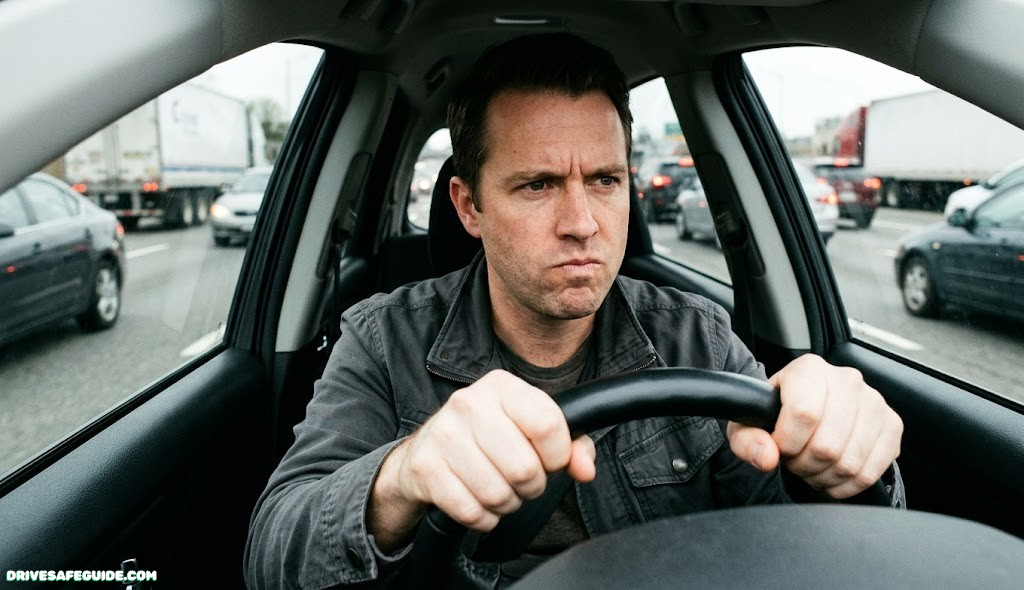
Overcoming Driving Anxiety: Effective Treatment and Coping Strategies
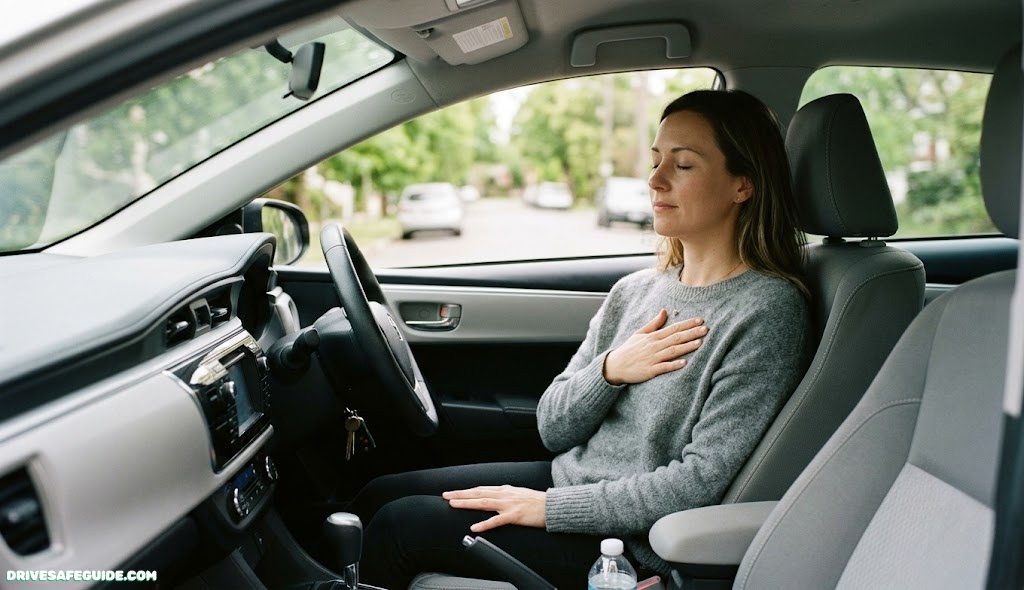
Learning to manage the racing heart, sweaty palms, and racing thoughts behind the wheel starts with understanding what’s actually happening in your body and brain.
If your chest tightens the moment you merge onto a highway, if you’ve rerouted your entire life around avoiding bridges or rush-hour traffic, or if the thought of driving somewhere new keeps you up the night before, you are far from alone. Driving anxiety affects a striking number of licensed drivers to some degree, ranging from mild unease to full-blown panic that keeps people out of the driver’s seat entirely. The good news is that this is one of the most treatable forms of anxiety, and the strategies that work are well studied, practical, and — for most people — achievable without years of therapy. This guide walks through what driving anxiety actually is, why it develops, and the specific treatments, exercises, and daily tools that help you reclaim your confidence on the road. Whether your anxiety is mild and situational or severe enough to have kept you off the road entirely, the same core principles apply, and meaningful progress is almost always possible with the right combination of understanding and consistent practice.
Understanding Driving Anxiety: What It Is and Why It Happens
Driving anxiety is not a character flaw or a sign of weakness behind the wheel — it’s a learned fear response, and like most learned responses, it can be unlearned. At its core, driving anxiety is your nervous system treating an ordinary task as a genuine threat. The amygdala, the brain’s alarm center, floods your body with stress hormones the moment you interpret a driving situation as dangerous, whether or not actual danger is present.
For some people, this anxiety builds gradually after years of stressful commutes or a string of near-misses. For others, it appears suddenly after a single traumatic event: a collision, a close call, or even watching a serious accident happen nearby. And for a smaller group, driving anxiety exists almost from the start, tied to broader anxiety disorders, motion sensitivity, or a general discomfort with loss of control.
Why the Brain Overreacts
Once the brain associates driving with danger, it starts generalizing that fear to related situations — a specific highway becomes all highways, a single bad merge becomes every merge. This is called fear generalization, and it’s the primary reason driving anxiety tends to expand over time if left unaddressed rather than staying contained to the original trigger.
Understanding this mechanism matters because it reframes the goal of treatment. You’re not trying to force yourself to “just get over it” through willpower alone — you’re retraining a specific, physiological alarm system using proven psychological techniques. If a similar unease shows up specifically at highway on-ramps, our guide to managing highway merging anxiety breaks down that particular trigger in more depth.
The Role of Control and Predictability
A large part of why driving feels uniquely anxiety-provoking compared to, say, being a passenger, comes down to a perceived loss of control paired with a heightened sense of responsibility. As a driver, you’re not just managing your own safety — you’re managing the safety of everyone in the vehicle and, in your mind, everyone around you on the road. That combination of high stakes and constant micro-decisions creates fertile ground for anxiety to take root, especially in people who already tend toward perfectionism or a strong sense of responsibility for others.
Interestingly, many people with driving anxiety report feeling far calmer as a passenger in the exact same traffic conditions that would trigger significant distress if they were behind the wheel. This gap is a useful diagnostic clue: it tells you the anxiety isn’t really about the traffic or the road itself, but about the perceived burden of control. Treatment approaches that specifically address this control-related fear, rather than just the physical symptoms, tend to produce more lasting results.
How Avoidance Quietly Reinforces Fear
Every time you avoid a feared driving situation, your brain receives a subtle but powerful message: that situation was dangerous enough to avoid, and avoiding it kept you safe. This is called negative reinforcement, and it’s one of the most important, and least intuitive, mechanisms behind why driving anxiety tends to grow rather than fade on its own. The short-term relief of avoidance feels good in the moment, which is exactly why it’s so tempting, but it quietly strengthens the very fear you’re trying to escape. Recognizing this pattern is often the turning point that motivates people to seek out structured treatment rather than continuing to route around the problem indefinitely.

Calming Car Diffuser Clip
A simple vent-clip essential oil diffuser can take the edge off pre-drive tension with a familiar, grounding scent.
Check Price on AmazonCommon Triggers: Highways, Bridges, Night Driving, and More
Driving anxiety rarely feels the same for everyone, and identifying your specific triggers is one of the most useful first steps in treatment. Below are the most frequently reported triggers among people who seek help for driving-related fear.
High-Speed Highways and Interstates
The combination of speed, dense traffic, and merging demands makes highways one of the most common anxiety triggers. Many people manage local streets comfortably but freeze at the thought of a highway on-ramp.
Bridges, Tunnels, and Overpasses
Elevated or enclosed structures often trigger a fear of being trapped, unable to pull over, or unable to escape if something goes wrong — a pattern closely related to claustrophobia.
Night Driving and Poor Visibility
Reduced visibility amplifies uncertainty, and uncertainty is fuel for anxiety. Glare from oncoming headlights, difficulty judging distances, and fatigue all compound the effect after dark. Our night driving safety checklist covers practical adjustments that reduce this specific strain.
Bad Weather Conditions
Rain, snow, fog, and ice introduce real unpredictability, and it’s entirely rational to feel more alert in these conditions. The challenge is keeping that alertness from tipping into paralysis. If icy roads are a specific concern, black ice survival strategies can help translate anxiety into a concrete action plan.
Heavy Traffic and Congestion
Stop-and-go traffic, unpredictable lane changes from other drivers, and the sense of being surrounded with no easy exit are common triggers, especially for people prone to claustrophobia or panic attacks.
Unfamiliar Routes and New Cities
Navigating somewhere new removes the predictability that many anxious drivers rely on as a coping mechanism, which is why route unfamiliarity so often triggers dread days in advance.
Parking Lots, Garages, and Tight Maneuvering
For some drivers, the anxiety has less to do with speed and more to do with precision — parallel parking, tight parking garages, or navigating narrow lanes with pedestrians nearby. This type of anxiety often centers on a fear of being watched or judged rather than a fear of collision itself, and it tends to respond especially well to repeated, low-pressure practice in empty lots before attempting busier locations.
Being Tailgated or Pressured by Other Drivers
Aggressive or impatient drivers behind you can turn an otherwise comfortable drive into a stressful one almost instantly. Because this trigger involves another person’s behavior rather than a fixed road condition, it can feel less predictable and harder to prepare for, which is part of why it ranks so highly among reported triggers even for generally confident drivers.
Driving With Passengers Who Add Pressure
Sometimes the trigger isn’t the road at all — it’s a backseat driver, a critical passenger, or simply the added responsibility of transporting someone else. This form of social pressure can amplify anxiety that would otherwise be mild or nonexistent when driving alone.
The Physical and Psychological Symptoms of Driving Anxiety
Driving anxiety shows up differently from person to person, but most people experience some combination of the following. Recognizing your own symptom pattern helps you and any treatment provider target the right techniques.
| Symptom Category | Common Signs | When It Typically Appears |
|---|---|---|
| Physical | Racing heart, sweaty palms, shallow breathing, muscle tension, nausea | Immediately before or during driving |
| Cognitive | Catastrophic “what if” thinking, tunnel vision, difficulty concentrating | Hours or days before a planned drive |
| Behavioral | Avoidance of certain roads, over-gripping the wheel, excessive checking of mirrors | During driving or when planning a route |
| Emotional | Dread, irritability, feeling trapped, sudden urge to cry or pull over | Any point in the driving process |
It’s worth noting that mild versions of these symptoms are actually adaptive — a small amount of alertness makes you a safer, more attentive driver. Anxiety becomes a problem when the intensity of the reaction is disproportionate to the actual risk, or when it starts limiting your life through avoidance.
Why Symptoms Can Feel So Physical
Many people are surprised by how physical driving anxiety feels, sometimes mistaking it for a medical issue rather than an anxiety response. This happens because the sympathetic nervous system, once triggered, releases adrenaline and cortisol regardless of whether the threat is real or perceived. Your body doesn’t distinguish between a genuinely dangerous merge and a perceived one; it responds to both with the same fight-or-flight cascade, which is why symptoms like a pounding heart or lightheadedness can feel just as intense during a routine drive as during an actual near-miss.
The Anticipatory Anxiety Pattern
For many people, the worst symptoms don’t actually happen during the drive itself but in the hours or days leading up to it. This anticipatory anxiety, sometimes more distressing than the drive itself, is driven by repeated mental rehearsal of worst-case scenarios. Left unaddressed, this pattern can grow to the point where a person avoids planning trips altogether simply to sidestep the anticipatory dread, which is one more reason early intervention tends to be easier than waiting for the pattern to become deeply entrenched.
Is It Driving Anxiety, Vehophobia, or Something More?
Driving-related fear exists on a spectrum, and understanding where you fall can guide which treatment approach makes the most sense.
Situational Driving Anxiety
This is anxiety tied to specific, identifiable conditions — heavy traffic, a particular intersection, or driving after a recent near-miss. It tends to respond quickly to targeted exposure and coping techniques.
Vehophobia (Driving Phobia)
A more intense, persistent fear that can trigger full panic attacks and lead to complete avoidance of driving. Vehophobia is classified as a specific phobia and often benefits from structured, professionally guided exposure therapy.
Generalized Anxiety Disorder Manifesting Behind the Wheel
Some people experience driving anxiety as one symptom among many within a broader anxiety disorder. In these cases, treating driving anxiety in isolation may offer partial relief, but addressing the underlying condition typically produces more durable results.
Post-Traumatic Stress After an Accident
Anxiety that developed suddenly after a collision, near-miss, or witnessed accident may involve trauma-specific symptoms like flashbacks, hypervigilance, or intrusive memories — patterns that respond best to trauma-focused therapies rather than general anxiety techniques alone.
Anxiety Tied to Physical Health Conditions
In some cases, driving-related fear is at least partly rooted in a legitimate physical concern, such as a recent seizure, a fainting episode, vision changes, or a chronic condition affecting reaction time. In these situations, an honest conversation with a physician about current driving safety is an important complementary step alongside any psychological treatment, since addressing the underlying physical concern directly often reduces the anxiety more effectively than psychological techniques alone.
Signs Self-Help Strategies May Be Enough
- Anxiety is mild to moderate
- Triggered by specific, identifiable situations
- No history of panic attacks while driving
- You’re still driving, just uncomfortably
Signs Professional Support Is Worth Considering
- Complete avoidance of driving for months or longer
- Panic attacks with physical symptoms like chest pain or dizziness
- Anxiety tied to a specific traumatic event
- Anxiety is worsening despite self-help efforts

Guided CBT Workbook for Driving Anxiety
A structured, evidence-based workbook can walk you through the same exercises used in professional therapy sessions.
Check Price on AmazonCognitive Behavioral Therapy (CBT) for Driving Anxiety
Cognitive Behavioral Therapy is one of the most well-supported treatments for driving anxiety, and it’s built on a simple premise: the thoughts you have about driving directly shape the physical and emotional reaction that follows. Change the thought pattern, and the reaction changes with it.
Identifying Cognitive Distortions
Anxious drivers commonly fall into a handful of predictable thinking traps:
- Catastrophizing — assuming the worst possible outcome (“If I merge, I’ll cause a crash”)
- All-or-nothing thinking — viewing any mistake as total failure
- Overestimating danger — treating statistically rare events as likely
- Mind reading — assuming other drivers are judging or targeting you
Reframing Techniques
CBT doesn’t ask you to pretend driving carries zero risk — it asks you to replace exaggerated, automatic thoughts with realistic, evidence-based ones. Instead of “Something terrible is going to happen,” a reframed thought might be “I’ve merged safely hundreds of times before, and I have the skills to do it again.”
Working With a CBT Therapist
A trained CBT therapist typically combines cognitive restructuring with the behavioral exposure techniques covered in the next section, often over 8 to 12 sessions. Many therapists now offer virtual sessions, which can be especially helpful for people whose anxiety makes travel to appointments difficult.
Behavioral Experiments
Beyond simply reframing thoughts on paper, CBT often involves designing small behavioral experiments to directly test anxious predictions against reality. For example, if your anxious thought is “I’ll freeze up and cause a crash if another car merges close to me,” a behavioral experiment might involve deliberately practicing in a low-traffic area where a similar merge is likely to happen, then comparing what actually occurred to what you predicted beforehand. Over repeated experiments, the gap between predicted catastrophe and actual outcome becomes impossible for the brain to ignore, which is often more persuasive than reasoning alone.
Self-Guided CBT Resources
Not everyone has immediate access to a therapist, and self-guided CBT workbooks, structured around the same principles used in clinical sessions, can be a genuinely effective starting point for milder anxiety. These resources typically walk through identifying triggers, building a fear hierarchy, and practicing thought-reframing exercises in a structured, week-by-week format, making them a reasonable first step before, or alongside, professional treatment.
Exposure Therapy: Gradual Desensitization Techniques
Exposure therapy is widely considered the single most effective treatment for specific fears like driving phobia, and it works by gradually and repeatedly confronting the feared situation until the brain learns it isn’t actually dangerous. The key word is gradual — effective exposure never means forcing yourself onto a busy freeway at rush hour on day one.
Building a Fear Hierarchy
The first step is listing driving situations from least to most anxiety-provoking, typically on a 0–10 scale. A sample hierarchy might look like this:
| Anxiety Level | Example Situation |
|---|---|
| 2/10 | Sitting in the parked car with the engine on |
| 3/10 | Driving around an empty parking lot |
| 4/10 | Driving a quiet residential street with a passenger |
| 5/10 | Driving the same street alone |
| 6/10 | Driving on a moderately busy road during off-peak hours |
| 7/10 | Short highway on-ramp merge in light traffic |
| 8/10 | Sustained highway driving in light traffic |
| 9/10 | Highway driving during moderate traffic |
| 10/10 | Rush-hour highway driving with merges and lane changes |
Working Through the Hierarchy
You move up the list only once your anxiety at the current level drops noticeably with repetition — often after 3 to 5 successful exposures at that step. Rushing ahead before anxiety has genuinely settled tends to reinforce the fear rather than reduce it, so patience matters more than speed here.
Virtual Reality and Simulator-Based Exposure
For people whose anxiety is severe enough that even parking lot driving feels overwhelming, VR driving simulators offer a lower-stakes starting point, letting the brain begin adapting to highway visuals and merging scenarios before real-world practice begins.
Why Repetition Matters More Than Duration
A common misconception is that a single long, difficult exposure session will produce faster results than several shorter ones. In practice, the opposite is usually true. Shorter, more frequent exposures at a manageable anxiety level allow the nervous system to fully process and habituate to each step, while a single overwhelming session can sometimes reinforce fear rather than reduce it, especially if the person leaves the situation while anxiety is still at its peak rather than after it has started to naturally decline.
Handling Setbacks During Exposure Practice
It’s common to have an unexpectedly difficult session partway through a fear hierarchy, sometimes due to unrelated stress, poor sleep, or unfamiliar road conditions on that particular day. A single difficult session doesn’t mean the approach isn’t working; it usually just means it’s worth repeating that same step once more before advancing, rather than concluding that the entire hierarchy needs to be restarted from scratch.

Wearable Heart Rate Monitor
Tracking your heart rate during practice drives gives objective feedback on how your body is responding as exposure practice progresses.
Check Price on AmazonBreathing and Grounding Techniques for In-the-Moment Anxiety
Even with steady progress through therapy or exposure practice, most people benefit from having a handful of quick, in-the-moment tools for those spikes of anxiety that show up mid-drive.
Box Breathing
Inhale for a count of four, hold for four, exhale for four, hold for four, and repeat. This pattern slows the heart rate and interrupts the shallow, rapid breathing that accompanies panic, and it can be done safely while keeping your eyes on the road.
The 5-4-3-2-1 Grounding Technique
At a red light or when safely stopped, silently note five things you can see, four you can hear, three you can physically feel, two you can smell, and one you can taste. This shifts attention away from anxious thoughts and back into the present moment.
Progressive Muscle Relaxation (Pre-Drive)
Before starting the car, briefly tense and release each major muscle group — shoulders, hands, jaw — for a few seconds each. This lowers baseline tension before you’re even behind the wheel, which tends to reduce how sharply anxiety spikes once driving begins.
Anchor Phrases
A short, memorized phrase repeated silently — such as “This feeling will pass, and I am safe” — can interrupt catastrophic thought spirals faster than trying to reason your way out of them mid-drive.
Physical Grounding Through Touch Points
Gently pressing your feet flat against the floor of the car, or noticing the texture of the steering wheel under your hands, gives your nervous system a concrete, present-moment sensation to focus on instead of anxious thoughts about what might happen next. This technique works especially well in combination with box breathing, since it engages both the body and the breath simultaneously rather than relying on cognitive reframing alone, which can be harder to access in the middle of a genuine anxiety spike.
Practical In-Car Tools and Preparation Strategies
Beyond psychological techniques, a number of practical, physical tools can meaningfully reduce the uncertainty that fuels driving anxiety.
Route Familiarity Tools
Reviewing your route in detail before leaving — including which lane you’ll need for an upcoming exit — removes a major source of last-minute panic. Reliable voice-guided navigation reduces the mental load of real-time decision-making, which is one of the biggest anxiety amplifiers for nervous drivers.
Visibility and Awareness Aids
Auxiliary mirrors that reduce blind spots can meaningfully reduce the anxiety associated with lane changes and merging, since much of that fear is rooted in uncertainty about what’s happening just out of view.
Comfort and Physical Ease
Physical tension and psychological anxiety reinforce each other in a feedback loop. A supportive seat cushion or proper lumbar alignment can reduce the physical tension that often accompanies long or stressful drives.
Documentation and Peace of Mind
For drivers whose anxiety centers on liability or the aftermath of a potential incident, a dash cam can reduce anxiety by providing objective documentation, which for many people eases the “what if something happens and it’s my word against theirs” worry.
Audio and Ambient Sound Choices
What you listen to while driving can meaningfully shift your physiological state. Calm, familiar music or a favorite low-key podcast can help regulate an overactive nervous system, while unpredictable or jarring audio, including navigation apps that announce turns abruptly, can add an extra layer of startle-based stress. Testing a few different audio setups during low-stakes practice drives can help identify what genuinely calms you rather than simply distracts you.
Preparing the Vehicle Itself
A quick pre-drive routine, checking mirrors, adjusting the seat, confirming fuel level, and glancing at tire pressure, does more than ensure mechanical safety. It also signals to your nervous system that you are prepared and in control, which can meaningfully reduce the baseline anxiety that builds when small uncertainties are left unresolved before setting off.

Wide-Angle Blind Spot Mirrors
Reducing blind spot uncertainty is one of the fastest ways to ease anxiety around lane changes and merging.
Check Price on AmazonBuilding Confidence Through Practice Routes and Driving Lessons
Confidence behind the wheel is built the same way any skill is built: through repeated, successful practice, ideally structured in a way that stacks small wins on top of each other.
Choosing the Right Practice Route
Start with routes that are familiar, low-traffic, and time-flexible — meaning you’re not rushing to an appointment. Practicing under time pressure adds a stress variable that has nothing to do with your actual driving ability but will still spike your anxiety.
Practicing With a Calm Passenger
A supportive, calm passenger can serve as a grounding presence during early practice drives, but it’s worth explicitly asking them to stay quiet and relaxed rather than offering constant correction, which can undermine confidence rather than build it.
Professional Driving Lessons for Adults
Adult driving lessons — distinct from teen driver’s ed — are specifically designed for nervous or out-of-practice drivers and often focus heavily on highway merging, parking, and confidence-building rather than pure rules-of-the-road content.
Tracking Progress
Keep a simple log of each practice drive: route, anxiety level at the start (0–10), anxiety level at the end, and any wins worth noting. Seeing measurable improvement over weeks is often more motivating than trying to judge progress purely by how a single drive “felt.”
Setting Milestones Instead of Deadlines
Rather than setting a fixed date by which you “should” be comfortable on highways again, it tends to work better to set milestone-based goals, such as completing five comfortable drives at a given hierarchy level before advancing. Deadlines tied to the calendar can add unnecessary pressure and, ironically, slow progress by introducing performance anxiety on top of the original driving anxiety.
Celebrating Small Wins
It’s easy to dismiss a successful short drive as “not a big deal,” especially compared to the drives you’re ultimately working toward. But treating every successful exposure, however small, as a genuine win reinforces the new, safer association your brain is building, and this reinforcement compounds meaningfully over weeks of consistent practice.
When to Consider Professional Help: Therapists, Medication, and Support Groups
Self-help strategies resolve driving anxiety for many people, but professional support is a reasonable and often faster path for others — and there’s no threshold of “bad enough” you need to hit before it’s appropriate to seek it.
Types of Therapists Who Treat Driving Anxiety
- Cognitive Behavioral Therapists — Focus on restructuring anxious thought patterns and structured exposure
- Exposure Therapy Specialists — Often work specifically with phobias and may use in-vivo (real-world) or VR-based exposure
- Trauma-Focused Therapists (EMDR) — Particularly relevant if driving anxiety followed a specific accident or traumatic event
Medication as a Bridge, Not a Cure
For some people, a healthcare provider may discuss short-term or situational medication to reduce baseline anxiety enough that therapy and exposure practice become possible. This is a decision to make with a licensed prescriber who can weigh your specific history, since medications interact differently with each person and some carry driving-relevant side effects like drowsiness.
Support Groups and Community
Connecting with others who’ve experienced driving anxiety — whether through in-person groups or online communities — can reduce the isolation and self-judgment that often accompanies the condition, and hearing how others progressed through their own fear hierarchy can be genuinely motivating.
What a First Session Typically Looks Like
Many people delay seeking help simply because they’re unsure what to expect. A first session with a therapist experienced in driving anxiety generally involves discussing your specific triggers, history, and how the anxiety developed, followed by collaboratively outlining a treatment plan, often including an initial version of the fear hierarchy discussed earlier. There’s typically no expectation of driving anywhere during this first conversation; it’s primarily about building a shared understanding of the problem before designing a plan to address it.
Cost and Accessibility Considerations
Therapy costs and insurance coverage vary considerably depending on location and provider type, and many therapists offer sliding-scale fees or shorter, more affordable structured programs specifically for specific phobias. Community mental health centers and university training clinics can also be worth exploring for lower-cost options, particularly for people just beginning to explore treatment and unsure whether ongoing therapy will be the right long-term fit.
Special Situations: Merging, Night Driving, and Senior Drivers
Certain groups and situations warrant a slightly different approach to managing driving anxiety.
Highway Merging Anxiety
Merging combines several anxiety triggers at once: speed matching, blind spot checking, and time pressure. Breaking the merge into discrete sub-skills — checking mirrors, finding a gap, accelerating smoothly, signaling — and practicing each in isolation tends to work better than practicing full merges from day one. Our dedicated guide on highway merging anxiety walks through this step by step.
Night Driving Anxiety
Because visibility is genuinely reduced at night, some baseline caution is appropriate — the goal isn’t to eliminate all extra alertness but to prevent it from tipping into avoidance. Adjusting mirrors to reduce glare and practicing familiar night routes first can help separate reasonable caution from disproportionate fear.
Senior Drivers and New Anxiety
Anxiety that develops later in life, sometimes tied to slower reaction times, vision changes, or a recent minor incident, responds well to refresher courses that rebuild confidence around specific updated skills rather than assuming a lifetime of driving experience alone is enough.
New Drivers and Post-Test Anxiety
Passing a driving test doesn’t automatically remove anxiety, and many new drivers experience a spike in nervousness once they’re driving without an instructor present. This is a normal transition period, and the same gradual exposure principles apply.
Returning to Driving After a Long Break
Whether the break was due to a health issue, a period of living somewhere driving wasn’t necessary, or simply an extended stretch of avoidance, returning drivers often feel a surprising spike in anxiety even for routes they once found completely comfortable. Treating this as genuinely starting a fresh fear hierarchy, rather than expecting instant return to prior comfort levels, tends to produce a smoother and less discouraging transition back behind the wheel.

Dedicated GPS Navigation Device
A reliable, distraction-free navigation device removes route uncertainty, one of the most common anxiety amplifiers on unfamiliar drives.
Check Price on AmazonLong-Term Strategies: Maintaining Progress and Preventing Relapse
Overcoming driving anxiety isn’t usually a single finish line — it’s an ongoing relationship with a skill that benefits from regular maintenance, much like physical fitness.
Keep Driving Regularly
Long gaps between drives tend to let anxiety creep back in, even after significant progress. Regular, even short, drives help maintain the gains built through exposure practice.
Watch for Avoidance Creep
It’s easy to justify avoiding one more highway “just this once” — but small avoidances tend to compound. Periodically reviewing your fear hierarchy and confirming you’re still comfortable at each level helps catch backsliding early.
Plan for Setbacks
A single bad drive, near-miss, or stretch of bad weather doesn’t erase months of progress, even though it can feel that way in the moment. Treating setbacks as normal and temporary — rather than proof that the anxiety “won” — makes it far easier to get back on track quickly.
Revisit Techniques Periodically
Breathing exercises, thought-reframing, and grounding techniques tend to fade from habit if you stop practicing them once anxiety improves. Revisiting them periodically, even preventatively, keeps the toolkit sharp for whenever it’s needed again.
Building a Broader Sense of Resilience
People who maintain their progress over the long term often describe a broader shift beyond just driving: an increased general tolerance for discomfort and uncertainty. Because driving anxiety recovery involves repeatedly facing a feared situation and discovering that you can handle the accompanying discomfort, many people find this skill transfers, at least somewhat, to other anxiety-provoking areas of life, from public speaking to unfamiliar social situations.
Knowing When to Seek Support Again
There’s no failure in returning to therapy or reintroducing structured exposure practice if anxiety resurfaces significantly after a period of improvement. Life circumstances change, stress accumulates, and new triggers can emerge, particularly after a move, a new job with a longer commute, or a health change. Treating a return of symptoms as useful information rather than a personal setback makes it far easier to respond quickly and effectively.

Ergonomic Lumbar Support Cushion
Reducing physical tension during long or anxious drives can meaningfully lower overall stress levels behind the wheel.
Check Price on AmazonFrequently Asked Questions
Is driving anxiety a real, diagnosable condition?
Driving anxiety itself isn’t always a standalone diagnosis, but it’s a well-recognized pattern that can fall under specific phobia, generalized anxiety disorder, or post-traumatic stress, depending on how and why it developed. A mental health professional can help clarify which category best fits your experience, though many people manage it effectively without ever needing a formal diagnosis.
How long does it typically take to overcome driving anxiety?
Timelines vary widely depending on severity, but structured exposure therapy programs often show meaningful improvement within 8 to 12 weeks of consistent practice. Milder situational anxiety can improve faster, sometimes within a few weeks of deliberate practice.
Can driving anxiety come back after I’ve overcome it?
Yes, especially after long breaks from driving, a stressful life event, or a new near-miss. This is normal and doesn’t mean previous progress was wasted — revisiting earlier coping techniques usually resolves a relapse more quickly than the original episode.
Should I avoid driving entirely until my anxiety improves?
Complete avoidance typically makes driving anxiety worse over time, since it reinforces the belief that driving is too dangerous to attempt. Gradual, manageable exposure — rather than total avoidance or forced full exposure — tends to produce the best outcomes.
Is medication necessary to treat driving anxiety?
Medication is not necessary for most people with mild to moderate driving anxiety, and many resolve it fully through CBT and exposure techniques alone. For more severe cases, a healthcare provider may discuss medication as a temporary bridge to make therapy more accessible, but this is an individual medical decision.
What’s the difference between normal driving caution and driving anxiety?
Normal caution is proportionate to actual risk factors, like slowing down in heavy rain, and doesn’t interfere with your ability to function. Driving anxiety is disproportionate to the actual danger present and often leads to avoidance, physical symptoms, or persistent dread that lingers well before and after the drive itself.
Can a fear of driving develop even if I’ve never been in an accident?
Yes. Driving anxiety can develop from witnessing an accident, hearing about one, general anxiety tendencies, or even accumulated stress from difficult commutes over time, without any personal collision history at all.
Are driving simulators or VR effective for treating driving anxiety?
Simulator and VR-based exposure can be an effective starting point, particularly for people whose anxiety is too severe to begin with real-world driving. Most people eventually transition to real-world practice, since the ultimate goal is comfort in an actual vehicle.
How do I find a therapist who specializes in driving anxiety specifically?
Search for therapists who list specific phobia treatment, exposure therapy, or CBT as specialties, and don’t hesitate to ask directly during a consultation whether they have experience with driving-related fears specifically, since the technique overlaps significantly with treatment for other specific phobias.
Can driving anxiety affect people who have been driving safely for decades?
Yes. New driving anxiety can emerge later in life due to a health change, a recent minor incident, reduced confidence in reaction time, or even an accumulation of stressful driving experiences over the years, regardless of how long someone has held a license.
What should I do if I have a panic attack while actually driving?
If it is safe to do so, pull over, put the car in park, and use a grounding or breathing technique until the acute symptoms pass. Never attempt to push through severe symptoms like chest pain, dizziness, or loss of concentration while operating a vehicle.
Moving Forward Behind the Wheel
Driving anxiety, no matter how long it’s been part of your life, responds well to the right combination of understanding, gradual practice, and — when needed — professional support. Progress is rarely a straight line, but every small, successful drive is genuine evidence that your brain is relearning what it needs to know: that you are capable, prepared, and safe. Start small, track your wins, and be patient with the process — the goal is steady, sustainable progress rather than a single dramatic breakthrough.
Whichever combination of strategies you choose, from breathing techniques and a structured fear hierarchy to professional CBT support, the underlying message is the same: this is a solvable problem, not a permanent limitation. Thousands of drivers have moved from complete avoidance to genuine comfort behind the wheel using exactly these tools, and there is no reason your own timeline needs to look any different.
Explore Driving Confidence Tools on Amazon🌟 Recommended for Comfort
Drive More Comfortably Every Day
From lumbar supports to seat cushions, the right accessories can transform long drives from painful to comfortable. Browse our top picks on Amazon.
📯 Shop Comfort AccessoriesAffiliate link — we earn a small commission that keeps DriveSafeGuide running. Thank you!