Motion Sickness as a Driver: How to Stay Safe and Comfortable on the Road
It isn’t just a passenger problem. Here’s why some drivers feel queasy behind the wheel, and the seating, breathing, ventilation, and medication strategies that keep you steady, alert, and safe for every mile.
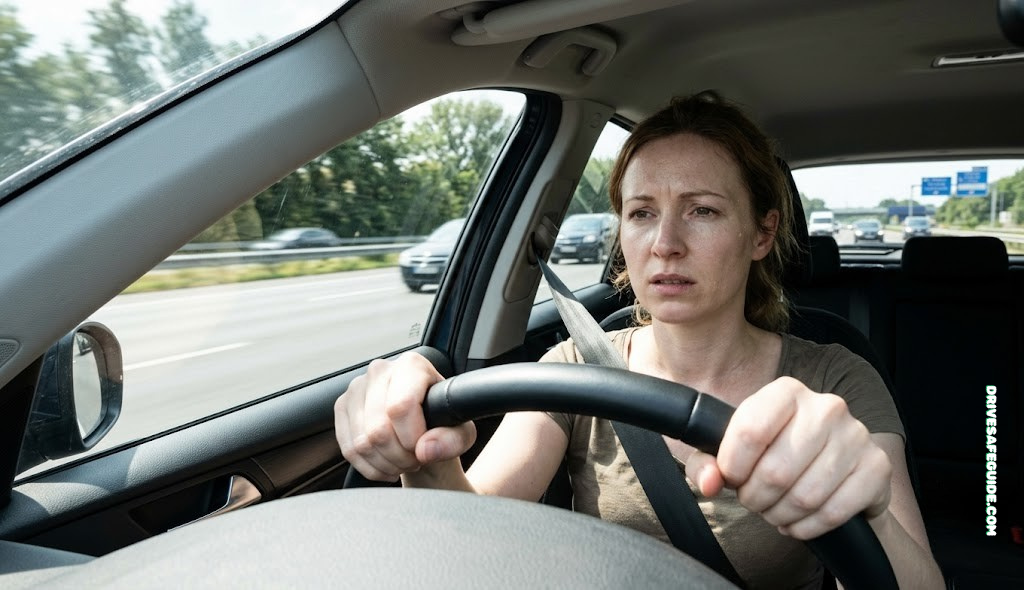
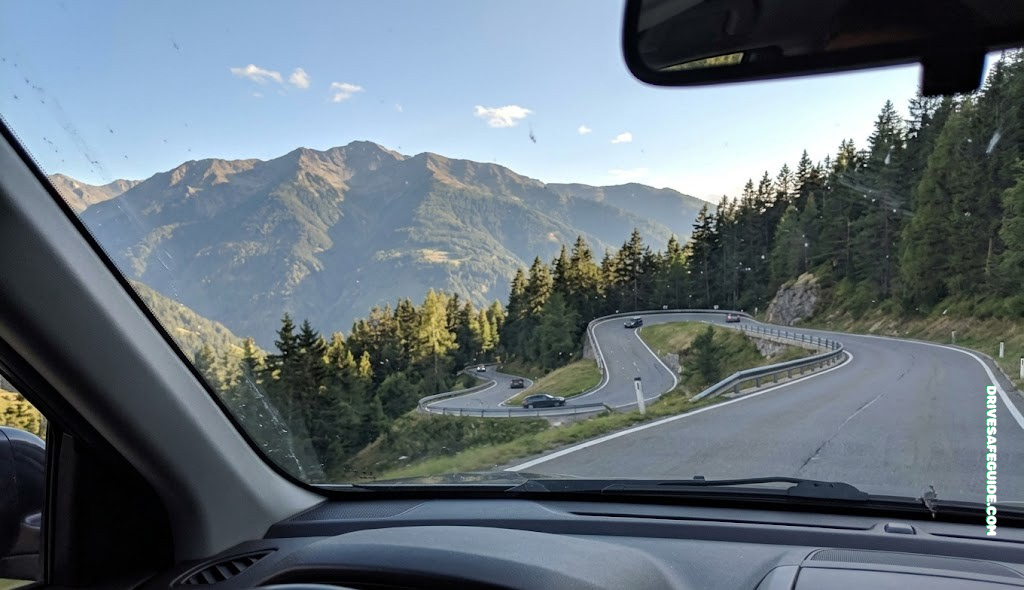
Twisting roads, stop-and-go traffic, and long highway stretches can all trigger motion sickness — even for the person behind the wheel.
Understanding Motion Sickness in Drivers
Most people assume motion sickness only happens to passengers staring at their phones in the back seat. But a meaningful number of drivers report the same wave of nausea, cold sweat, and dizziness while they’re the one steering.
Motion sickness is your brain’s reaction to a mismatch between what your eyes see, what your inner ear feels, and what your body expects based on past experience. When those three signals disagree, the brain treats the confusion as a potential sign of poisoning and triggers the classic protective response: nausea, sweating, yawning, and eventually vomiting. This reaction evolved long before cars existed, but it doesn’t care whether you’re a passenger or the person holding the wheel.
Drivers are generally less prone to motion sickness than passengers because actively controlling the vehicle gives the brain a more predictable stream of information. You know when you’re about to brake, turn, or accelerate because you’re the one initiating the movement. That predictability reduces the sensory mismatch that fuels nausea. Still, driver motion sickness is real, and it tends to show up in specific situations: winding mountain roads, stop-and-go traffic, long highway drives in bright glare, riding in an unfamiliar vehicle with a different suspension feel, or driving while fatigued, dehydrated, or recovering from illness.
For some people, the issue isn’t classic carsickness at all but a related vestibular sensitivity that gets triggered by repetitive steering corrections, frequent lane changes, or the visual flicker of oncoming headlights at night. Understanding which category you fall into is the first step toward finding a strategy that actually works, rather than guessing your way through remedies that don’t address your specific trigger.
It’s also worth noting that driver motion sickness doesn’t always look the way people expect. Some drivers never experience full nausea but instead report a persistent low-grade unease, a foggy feeling in the head, or an unexplained urge to end a drive early. These milder presentations are just as real as classic carsickness, and they respond to the same underlying strategies, even though they’re easy to dismiss as “just tiredness” or “just stress.” Learning to recognize your own personal pattern, whether it’s full nausea, mild dizziness, or a vague sense of wrongness, is part of what makes prevention effective rather than reactive.
Age also plays a role in how motion sickness presents. Children and teenagers tend to be the most susceptible group overall, which is why so much motion sickness research focuses on younger passengers. Susceptibility typically declines through adulthood and can drop off substantially by middle age, only to sometimes reappear later in life alongside changes in vision, inner ear function, or general balance. Understanding where you fall on that lifespan curve can help set realistic expectations: a driver who never had issues in their twenties but starts noticing symptoms in their fifties isn’t imagining a new problem, they’re experiencing a well-documented shift in vestibular sensitivity that comes with normal aging.
Why Drivers Get Sick Too, Not Just Passengers
If driver motion sickness feels counterintuitive, it helps to understand the handful of scenarios where the “driver advantage” breaks down. Anticipating your own movements only helps if the road itself is predictable. Several everyday driving conditions strip that predictability away.
Winding or Mountainous Roads
Sharp, frequent turns on switchback roads create repeated lateral acceleration that the inner ear has to process faster than the eyes can confirm through the windshield. Drivers who spend a lot of time glancing at mirrors, gauges, or navigation screens on these roads lose the steady horizon reference that normally keeps nausea at bay.
Stop-and-Go Traffic
Constant braking and accelerating in congested traffic produces a jerky rhythm of forward and backward forces. Combined with the mental frustration of gridlock, this can trigger the same nausea response passengers get on a bus, even though you’re technically in control.
Unfamiliar Vehicles
A rental car, a borrowed truck, or a new vehicle with different suspension tuning changes how your body predicts motion. Until your brain recalibrates to the new vehicle’s feel, you may experience a temporary spike in sensitivity, especially over the first hour of driving.
Fatigue, Illness, and Inner Ear Issues
Being sleep-deprived, dehydrated, or recovering from a cold or sinus infection can all disrupt the vestibular system’s normal function, making a drive that was previously comfortable suddenly feel disorienting.
If you regularly deal with driving-related anxiety on top of physical symptoms, it’s worth reading our guide on driving anxiety treatment, since anxiety and motion sickness frequently reinforce each other in a feedback loop that’s worth breaking from both directions.
Towing, Trailers, and Loaded Vehicles
Vehicles towing a trailer or carrying a heavy, unbalanced load behave differently from an empty car. The extra weight changes how the suspension absorbs bumps and how the vehicle responds to steering input, introducing a subtle but persistent motion pattern that some drivers find more nauseating than driving the same route unloaded. If towing is a regular part of your driving routine, giving yourself extra time to adapt to the vehicle’s new handling characteristics before a long haul can reduce how much this contributes to symptoms.
Multitasking Behind the Wheel
Drivers who frequently switch attention between the road, a phone mount, a rearview mirror, and dashboard instruments are effectively recreating some of the same visual instability that makes passengers sick when they read in a moving car. Every switch in focal distance forces your eyes to briefly reset, and doing this dozens of times an hour on a long drive adds up to a meaningful amount of sensory noise, even though each individual glance feels harmless.
Recognizing Early Warning Signs
The earlier you catch motion sickness symptoms, the easier they are to manage without pulling over or losing focus on the road. Most people experience a predictable progression rather than sudden nausea out of nowhere.
| Stage | What You Might Notice | What It Means |
|---|---|---|
| Stage 1 — Early | Mild yawning, subtle unease, increased saliva production | Sensory mismatch beginning; easiest stage to reverse |
| Stage 2 — Building | Warmth, sweating, slight dizziness, stomach tightness | Autonomic nervous system activating stress response |
| Stage 3 — Escalating | Pale skin, cold sweat, headache, growing nausea | Time to actively intervene, not just wait it out |
| Stage 4 — Severe | Vomiting, vertigo, difficulty focusing on the road | Pull over safely as soon as possible |
Paying attention to Stage 1 signals is the single most useful habit you can build. Drivers who wait until Stage 3 or 4 to react have far fewer effective options left, since nausea that’s already peaking is much harder to reverse mid-drive than to prevent early.
The Science: Sensory Conflict Theory
The dominant explanation for motion sickness among researchers is sensory conflict theory. Your brain constantly compares three streams of information: visual input from your eyes, motion input from the vestibular system in your inner ear, and proprioceptive input from your muscles and joints about your body’s position.
Under normal walking or standing conditions, these three systems agree closely enough that the brain doesn’t register any conflict. Inside a moving vehicle, that agreement breaks down in specific ways. Your inner ear detects the car turning, braking, and accelerating. Your eyes, especially if you’re looking at a fixed interior point like a phone mount or dashboard, report that you’re sitting still relative to the cabin around you. That contradiction is what the brain interprets as a threat.
For drivers specifically, this conflict usually shows up differently than it does for passengers. Because you’re watching the road and anticipating turns, your visual and vestibular systems are usually well aligned. The conflict tends to arise instead from secondary sources: repeatedly glancing down at a GPS screen, driving in heavy fog or at night when visual reference points are limited, or wearing glasses with an unfamiliar prescription that subtly distorts depth perception.
Why Some People Are More Susceptible
Susceptibility varies widely based on age, sex, migraine history, and inner ear sensitivity. Migraine sufferers, in particular, show significantly higher rates of motion sickness, likely because both conditions involve similar pathways in the brainstem. People with a history of vertigo or vestibular disorders should read the section below on when it’s time to consult a doctor, since driver-specific nausea can sometimes point to an underlying condition rather than a simple sensory mismatch.
The Role of Prediction in Reducing Symptoms
One of the more interesting findings in motion sickness research is that predictability, not just motion itself, is the key variable. Studies on simulator sickness, a closely related phenomenon experienced by users of driving simulators and virtual reality systems, show that the same physical motion feels far less nauseating when a person can anticipate it in advance. This is part of why experienced drivers on a familiar commute rarely feel sick, even on a winding stretch of road, while the same road driven for the first time can trigger noticeable symptoms. Your brain builds an internal model of what a route “should” feel like, and once that model is established, sensory conflict drops significantly.
Genetic and Hormonal Influences
Twin studies have found a meaningful hereditary component to motion sickness susceptibility, suggesting that some people are simply wired with a more reactive vestibular system from birth. Hormonal fluctuations also play a documented role; many people report increased sensitivity during certain phases of the menstrual cycle or during pregnancy, likely tied to how hormones affect inner ear fluid balance and overall nausea thresholds.
The 6-Step In-Car Method to Stop It Fast
When queasiness starts building behind the wheel, you need a sequence you can run through in real time without taking your attention off the road for more than a second or two. The following six steps are designed to be done in order, starting the moment you notice Stage 1 symptoms.
Step 1: Fix Your Eyes on the Horizon
Shift your gaze to the farthest visible point on the road ahead — the horizon line, a distant landmark, or the vanishing point of the highway. This single move does more to resolve the visual-vestibular mismatch than almost anything else, because it gives your eyes a stable, slow-moving reference that matches what your inner ear is sensing.
Step 2: Crack a Window for Fresh Airflow
Stale, warm cabin air amplifies nausea. Lowering a window an inch or two, even in cold weather, introduces fresh air and a subtle temperature drop that can interrupt the nausea response within a minute or two.
Step 3: Adjust Cabin Temperature Down a Few Degrees
Slightly cooling the cabin, either through the window or the climate control system, lowers your body’s core temperature and reduces the sweating and flushed feeling that accompany nausea, making the overall sensation more manageable.
Step 4: Slow Down and Widen Your Following Distance
Reducing speed by even five to ten miles per hour and increasing following distance smooths out the frequency of braking and accelerating, which directly reduces the jerky motion that’s feeding the sensory conflict.
Step 5: Sip Cold Water or Ginger-Based Fluids
A few small sips of cold water, or a ginger-based drink if you have one on hand, can calm the stomach without requiring a full stop. Avoid gulping large amounts at once, which can worsen queasiness rather than help it.
Step 6: Pull Over If Symptoms Keep Climbing
If steps one through five don’t bring noticeable relief within several minutes, or if symptoms are still escalating, find the nearest safe place to stop. A short five to ten minute break standing outside the vehicle, ideally in fresh air with a clear horizon view, resets the vestibular system far more effectively than continuing to push through it.

Keep Acupressure Wristbands in Your Glovebox
A compact, drug-free option that pairs well with the six-step method above for building relief when symptoms first appear.
Check Price on AmazonBest Seating, Posture, and Steering Position
Your seating position affects both your visual reference point and how much your body absorbs versus resists the vehicle’s motion. Small adjustments here can meaningfully lower your baseline susceptibility.
Sit Upright, Not Reclined
A heavily reclined seat changes the angle at which your inner ear registers acceleration and deceleration, often worsening sensitivity. Aim for a seat back angle close to upright, roughly 100 to 110 degrees, which keeps your vestibular orientation closer to how your body naturally processes movement while standing or walking.
Keep Your Head Stabilized
A properly adjusted headrest that supports the back of your skull reduces small, repetitive head bobbles caused by road vibration. Those tiny movements, while barely noticeable consciously, add up to a steady stream of vestibular noise that can contribute to nausea on longer drives.
Steering Grip and Shoulder Tension
Gripping the wheel too tightly increases overall muscle tension, which paradoxically makes your body more sensitive to motion rather than less. A relaxed, ten-and-two or nine-and-three grip with loose shoulders helps you absorb small road vibrations instead of transmitting all of that tension up through your neck. If wrist or hand discomfort is part of your driving routine already, our guide on carpal tunnel and steering grip covers ergonomic adjustments that pair well with motion sickness prevention.
Lower Back and Lumbar Support
Poor lumbar support forces subtle postural shifting throughout a drive, and that constant repositioning can itself become a source of sensory conflict. If you already deal with lower back discomfort, reviewing our lumbar support adjustment guide can help you dial in a seating position that serves both comfort and motion sickness prevention at once.
Good Seating Habits
- Upright seat back between 100–110 degrees
- Headrest touching the back of the skull
- Relaxed grip, loose shoulders
- Lumbar support engaged at the small of the back
Habits That Worsen Symptoms
- Reclined seat back past 120 degrees
- Leaning forward toward the dashboard
- Tight, white-knuckle steering grip
- Twisting to check blind spots repeatedly without turning the whole torso
Mirror Positioning and Seat Height
Mirrors set too low or too high force repeated head tilting to check them properly, and each tilt slightly shifts your vestibular reference point. Taking a minute before a drive to properly align both side mirrors and the rearview mirror to your natural, upright head position means you can check them with a quick glance rather than a full head movement, which keeps your inner ear input more consistent throughout the drive. Seat height matters too: sitting too low reduces your visual field and can force you to lean forward to see clearly, recreating the same forward-lean posture that worsens symptoms.
Vehicle Choice for Motion-Sensitive Drivers
If you have some flexibility in which vehicle you drive regularly, larger vehicles with a smoother, more dampened suspension tend to be easier on motion-sensitive drivers than small, stiff-riding vehicles that transmit more road feedback. Sitting closer to the vehicle’s center of gravity, generally over the front axle rather than far forward or far back, also reduces the intensity of motion you feel during turns and braking, since the ends of a vehicle experience more exaggerated movement than the middle.
Visual Strategies: Focal Points and Horizon Lines
Because vision plays such an outsized role in resolving sensory conflict, how you use your eyes while driving matters just as much as your seating position. A few targeted habits can meaningfully cut down on symptoms.
Avoid Frequent Screen Glances
Every time you glance down at a navigation screen, your eyes briefly report that you’re stationary relative to a fixed object, right as your inner ear is registering the car’s actual motion. Mounting your phone or GPS at windshield height, close to your natural line of sight, minimizes this repeated conflict compared to a low dashboard or console mount.
Use Landmarks, Not Passengers or Screens, as Anchors
Periodically resetting your gaze on a distant landmark, tree line, or the road’s vanishing point gives your visual system a stable long-range reference that matches the slower rate of change your inner ear expects during highway driving.
Reduce Glare and Flicker
Bright, flickering light, whether from oncoming headlights at night, dappled sunlight through trees, or a low winter sun, can overstimulate the visual system and worsen nausea in susceptible drivers. Quality polarized lenses cut glare significantly; see our breakdown of the best polarized driving sunglasses for glare reduction for options that also reduce eye strain on long trips.
Fog and Low-Visibility Conditions
Limited visibility removes the stable visual reference points that normally help resolve sensory conflict, which is part of why some drivers report feeling queasy in heavy fog even at low speeds. Our guide on fog driving strategies and visibility covers techniques that improve both safety and comfort in these conditions.
Ventilation, Temperature, and Cabin Air Quality
Stale, overly warm, or scented air is one of the most common and most overlooked triggers for driver motion sickness. The nausea-heat connection is well documented; warmth increases blood flow to the skin and can amplify the queasy, flushed sensation that accompanies early motion sickness symptoms.
Prioritize Fresh Air Over Recirculation
Recirculated cabin air can build up carbon dioxide levels on longer drives, especially with multiple passengers, which contributes to headaches and grogginess that compound nausea. Switching to fresh air intake periodically, even for a few minutes at a time, helps reset cabin air quality.
Avoid Strong Air Fresheners
Heavily scented air fresheners, especially sweet or floral fragrances, are a surprisingly common nausea trigger. If you’re sensitive to motion sickness, an unscented cabin or a mild, neutral scent is generally a safer choice than strong fragrance products.
Target Cooler, Not Colder
Aim for a cabin temperature a few degrees cooler than you’d normally choose, roughly 68 to 70 degrees Fahrenheit for most people, rather than going to an extreme. Overly cold air can cause its own discomfort and muscle tension, which works against the relaxation you’re trying to achieve.

Clip-On Vent Fans Boost Airflow Fast
A compact fan that clips to your vents or seat can supplement your AC on hot days when a cracked window alone isn’t enough.
Check Price on AmazonDiet and Hydration Before and During Drives
What and when you eat before getting behind the wheel has a bigger impact on motion sickness susceptibility than most drivers realize. Both an empty stomach and an overly full one can worsen symptoms, just through different mechanisms.
Eat Something Light, Not Nothing
Driving on a completely empty stomach can cause blood sugar dips that mimic or worsen nausea symptoms. A light, low-fat snack roughly 45 minutes to an hour before a drive, such as crackers, toast, or a banana, tends to sit well without adding to stomach discomfort.
Avoid Heavy, Greasy, or Acidic Meals Beforehand
Rich, fatty foods take longer to digest and can sit heavily in the stomach exactly when you need it calm. Acidic foods and carbonated drinks can also increase the likelihood of reflux, which compounds nausea rather than easing it.
Hydration Matters More Than People Expect
Mild dehydration alone can produce symptoms that overlap significantly with early motion sickness: headache, lightheadedness, and stomach unease. Sipping water steadily throughout a drive, rather than large amounts infrequently, helps keep your baseline symptoms lower before any motion-related trigger even comes into play.
Ginger’s Evidence Base
Ginger has more research support than almost any other natural anti-nausea remedy, with multiple studies showing it can reduce the frequency and severity of motion-induced nausea. Ginger chews, ginger tea, or ginger candies kept in the car are a low-risk option worth trying before reaching for medication.
Timing Your Last Meal Before Longer Trips
For drives longer than two or three hours, meal timing becomes even more important than meal content. Eating a moderate meal roughly ninety minutes before departure gives your body enough time to move food out of the stomach and into the early stages of digestion, avoiding the sluggish, heavy feeling of driving right after eating while also sidestepping the blood sugar dip that comes from waiting too long. Packing small, easy snacks like pretzels, plain crackers, or dried fruit for the drive itself lets you top up blood sugar without introducing anything that sits heavily.
Caffeine and Alcohol Considerations
Caffeine affects motion sickness susceptibility differently from person to person. In moderate amounts it can improve alertness and reduce the grogginess that sometimes compounds nausea, but in excess it can increase stomach acid production and jitteriness, both of which work against you. Alcohol, on the other hand, has a consistently negative effect on vestibular function even in small amounts, and its effects on balance can persist well after the noticeable buzz has worn off, making it worth avoiding entirely before any drive where motion sickness is a concern.
Helpful Before Driving
- Light, low-fat snack 45–60 minutes before
- Steady water intake throughout the drive
- Ginger tea, chews, or candy
- Room-temperature or slightly cool beverages
Best Avoided Before Driving
- Heavy, greasy, or fried meals
- Carbonated or highly acidic drinks
- Driving on a completely empty stomach
- Alcohol, which worsens vestibular sensitivity
Acupressure, Wristbands, and Natural Remedies
For drivers who prefer to avoid medication, or who want a first line of defense before considering it, several non-drug options have reasonable evidence behind them.
The P6 Acupressure Point
Located roughly three finger-widths below the wrist crease, between the two central tendons on the inner forearm, the P6 point is the basis for most commercial acupressure wristbands marketed for motion and morning sickness. Applying firm, steady pressure to this point, either with your fingers at a red light or through a band worn continuously, has modest but consistently reported benefits in clinical research on nausea.
Peppermint and Aromatherapy
Peppermint, whether inhaled from an essential oil, chewed as gum, or sipped as tea before a drive, has a mild calming effect on the stomach for many people. Unlike heavier fragrances, peppermint tends to be well tolerated even by those sensitive to strong scents.
Controlled Breathing Techniques
Slow, deliberate breathing, in for a count of four, hold for four, out for six, activates the parasympathetic nervous system and can blunt the physical stress response that accompanies rising nausea. This technique costs nothing, requires no equipment, and can be done safely while still watching the road.
Background Audio and Distraction Management
Some drivers find that calm, steady background music helps by giving the brain a mildly engaging but non-visual point of focus, which can reduce how much attention gets funneled into the growing physical discomfort. The key word is steady; music with sudden volume shifts, jarring transitions, or a fast, unpredictable rhythm can have the opposite effect and heighten sensory overload rather than easing it. Talk radio or podcasts work similarly well for many people, offering just enough mental engagement to interrupt the spiral of focusing on nausea without adding visual strain.
Isopropyl Alcohol Wipes
An unusual but well-documented remedy used in emergency departments involves briefly inhaling the scent of an isopropyl alcohol wipe. Several clinical studies on nausea in medical settings have found this surprisingly effective at reducing queasiness within a couple of minutes, likely through a combination of the sharp scent disrupting olfactory triggers and a mild distraction effect. A small individually wrapped alcohol wipe kept in the glovebox costs almost nothing and takes up no space, making it a reasonable addition to a broader prevention kit.
OTC and Prescription Medication Options
When natural remedies aren’t enough, over-the-counter and prescription antihistamines are the most common medical approach to motion sickness. It’s important to understand the tradeoffs before choosing one, especially given the unique demands of active driving.
First-Generation Antihistamines
Medications like dimenhydrinate and diphenhydramine are widely available and effective for motion sickness, but they carry a well-known downside for drivers specifically: significant drowsiness. Sedation is a serious concern behind the wheel, and these medications should generally be avoided before driving unless a doctor has specifically confirmed it’s appropriate for your situation.
Less-Sedating Alternatives
Meclizine is often better tolerated for daytime use and produces less drowsiness for many people compared to older antihistamines, though individual response varies considerably. As always, any medication should be tested on a non-driving day first to see how your body responds before relying on it for an actual trip.
Prescription Scopolamine Patches
Scopolamine transdermal patches, applied behind the ear several hours before travel, are commonly prescribed for motion sickness and are generally considered less sedating than oral antihistamines for many patients. They require a prescription and carry their own side effect profile, including dry mouth and blurred vision, both of which need to be weighed carefully against driving safety.
Interactions With Other Medications
Motion sickness medications, including the ones marketed as less-sedating, can interact with other common prescriptions in ways that amplify drowsiness or impair reaction time even when neither medication alone would cause a problem. This is especially true for other antihistamines, certain blood pressure medications, muscle relaxants, and sleep aids. Anyone taking regular medication for another condition should run a proposed motion sickness remedy past a pharmacist or doctor rather than assuming it’s automatically safe just because it’s available without a prescription.
Timing Doses Around Your Drive
Most oral motion sickness medications work best when taken thirty to sixty minutes before symptoms are expected to start, rather than after nausea has already set in. Waiting until you’re already feeling sick significantly reduces how effective most of these medications are, since it takes time for the drug to reach effective levels in your bloodstream. For predictable triggers, like a known winding commute or a regularly scheduled long drive, setting a consistent pre-drive timing routine makes medication far more reliable than reaching for it reactively.
Building Tolerance: Gradual Exposure
For drivers whose motion sickness is tied to specific, repeatable triggers, such as a particular winding commute or a regularly rented vehicle, gradual exposure can meaningfully reduce sensitivity over time. This mirrors the habituation process used in vestibular rehabilitation therapy.
Start Short and Build Slowly
Rather than avoiding a triggering route entirely, driving it in short, low-stakes increments, five or ten minutes at a time, allows your brain to gradually recalibrate its expectations for that specific sensory pattern. Over repeated short exposures, most people see noticeably reduced symptoms.
Combine Exposure With Active Recovery
Ending each short exposure session before symptoms peak, rather than pushing through to nausea, reinforces a positive association with the route instead of a negative one. Stopping at the first sign of Stage 2 symptoms and resuming once you feel steady again is more effective than white-knuckling through an entire trip.
Vestibular Rehabilitation for Persistent Cases
If gradual self-directed exposure isn’t improving symptoms after several weeks, a physical therapist specializing in vestibular rehabilitation can provide structured exercises designed specifically to retrain the balance system’s response to motion. This is a legitimate medical treatment path, not just a driving tip, and it’s worth discussing with a doctor if driving discomfort is significantly affecting your daily life.
Tracking Your Progress
Keeping a simple log of drives, noting the route, duration, weather conditions, and a rough symptom severity rating from one to ten, can reveal patterns that aren’t obvious in the moment. Many drivers discover their triggers are more specific than they assumed, such as symptoms only appearing on a particular stretch of road with a certain curve radius, or only when driving into low afternoon sun. This kind of tracking also makes it easier to tell whether your habituation efforts are actually working over time, rather than relying on memory alone, which tends to overweight the worst recent experience rather than reflecting genuine week-over-week improvement.
When to See a Doctor
Occasional mild motion sickness while driving is common and usually manageable with the strategies above. But certain patterns warrant a conversation with a healthcare provider rather than continued self-management.
- Symptoms that have developed recently without a clear trigger change, especially in adulthood after years of comfortable driving
- Nausea accompanied by ringing in the ears, hearing changes, or a spinning sensation (true vertigo) rather than general queasiness
- Symptoms that persist well after you’ve stopped driving and left the vehicle
- Frequent headaches alongside motion sensitivity, which can point to a vestibular migraine pattern
- Any new balance issues, even outside the car, that started around the same time as driving-related nausea
These patterns can indicate an underlying vestibular disorder, migraine variant, or inner ear condition that benefits from targeted medical treatment rather than general motion sickness strategies. If you have a diagnosed neurological condition that affects driving eligibility more broadly, our guide on epilepsy and driving restrictions offers a useful framework for understanding how medical conditions intersect with licensing requirements, even though the specifics differ by condition.
Older drivers experiencing new-onset motion sensitivity may also benefit from a broader evaluation of driving fitness; our senior driver refresher course guide covers how to approach that conversation constructively.
Remedy Comparison Table
With so many options available, it helps to see the major categories side by side. No single remedy works for everyone, so many drivers end up combining approaches from more than one category.
| Remedy Type | Onset Speed | Drowsiness Risk | Best For |
|---|---|---|---|
| Horizon focus / visual technique | Immediate | None | Mild, situational symptoms |
| Fresh air / temperature adjustment | 1–3 minutes | None | Stuffy cabin, warm weather |
| Acupressure wristbands | 10–20 minutes | None | Preventive, long trips |
| Ginger (tea, chews, candy) | 15–30 minutes | None | Mild to moderate nausea |
| Meclizine (OTC) | 30–60 minutes | Low to moderate | Moderate, predictable symptoms |
| Dimenhydrinate / diphenhydramine | 30–60 minutes | High | Passengers, not usually drivers |
| Scopolamine patch | 4–6 hours before onset | Low to moderate | Long trips, chronic susceptibility |
| Gradual exposure / habituation | Weeks | None | Recurring, route-specific triggers |

Keep Ginger Chews Within Reach
A glovebox staple with solid evidence behind it and zero drowsiness risk, making it one of the safest options for active drivers.
Check Price on AmazonFrequently Asked Questions
Can drivers get motion sickness even though they’re in control of the vehicle?
Yes. While drivers are generally less susceptible than passengers because they anticipate the vehicle’s movements, certain conditions like winding roads, stop-and-go traffic, unfamiliar vehicles, and fatigue can still trigger symptoms in the person behind the wheel.
What is the fastest way to stop motion sickness while actively driving?
Fixing your eyes on a distant, stable point like the horizon and cracking a window for fresh air are usually the two fastest interventions, often bringing noticeable relief within a couple of minutes without needing to pull over.
Is it safe to take Dramamine or Benadryl before driving?
Generally not recommended without medical guidance, since these first-generation antihistamines commonly cause significant drowsiness that can impair reaction time and judgment behind the wheel. Less-sedating options are usually preferable for drivers.
Does ginger actually help with motion sickness, or is it just a placebo?
Multiple clinical studies support ginger’s effectiveness for reducing nausea intensity, making it one of the better-evidenced natural remedies available, though individual results vary.
Why do I feel sick on winding roads but fine on the highway?
Winding roads produce frequent, unpredictable lateral acceleration that’s harder for the vestibular system to anticipate compared to the steady, mostly straight-line motion of highway driving, which explains why symptoms often concentrate on twisty routes.
Can motion sickness develop suddenly in adulthood after years of comfortable driving?
It can, and new-onset symptoms without an obvious trigger change are worth discussing with a doctor, since they can occasionally signal an underlying vestibular or migraine-related condition rather than ordinary motion sickness.
Do acupressure wristbands really work for motion sickness?
Clinical research on P6 acupressure shows modest but consistent benefits for many users, making wristbands a reasonable low-risk option, particularly when combined with other strategies like fresh air and ginger.
Should I eat before a long drive if I’m prone to motion sickness?
Yes, a light, low-fat snack roughly 45 minutes to an hour beforehand is generally better than driving on an empty stomach, which can cause blood sugar dips that mimic or worsen nausea symptoms.
Can air fresheners or strong scents make driver motion sickness worse?
Yes, strong or sweet fragrances are a common trigger for nausea in susceptible individuals, and switching to an unscented cabin or a mild scent like peppermint is often a helpful adjustment.
Is scopolamine safe to use for driving-related motion sickness?
Scopolamine patches are commonly prescribed and generally considered less sedating than oral antihistamines for many patients, but they still carry side effects like dry mouth and blurred vision that should be discussed with a doctor before driving with one.
How long does it take to build tolerance to a route that triggers motion sickness?
Most people who use gradual, short exposure sessions notice meaningful improvement over several weeks, though the exact timeline depends on trigger severity and how consistently the exposure practice is followed.
When should driver motion sickness be treated as a medical issue rather than a driving habit?
If symptoms include true vertigo, ringing in the ears, persistent symptoms after leaving the vehicle, or new balance problems outside of driving, it’s time to consult a doctor rather than continuing to rely on general motion sickness strategies alone.
Staying Comfortable Behind the Wheel
Motion sickness as a driver is more common than most people realize, and it’s rarely a sign that something is fundamentally wrong. In most cases, it’s a solvable mismatch between what your eyes, inner ear, and body expect during a drive, and small, practical adjustments to seating, airflow, diet, and visual habits resolve it for the vast majority of people. Start with the free, immediate strategies like horizon focus and fresh air before moving on to acupressure, ginger, or medication, and don’t hesitate to loop in a doctor if symptoms are new, severe, or paired with true vertigo.
Build a Complete Car Safety Kit🌟 Recommended for Comfort
Drive More Comfortably Every Day
From lumbar supports to seat cushions, the right accessories can transform long drives from painful to comfortable. Browse our top picks on Amazon.
📯 Shop Comfort AccessoriesAffiliate link — we earn a small commission that keeps DriveSafeGuide running. Thank you!