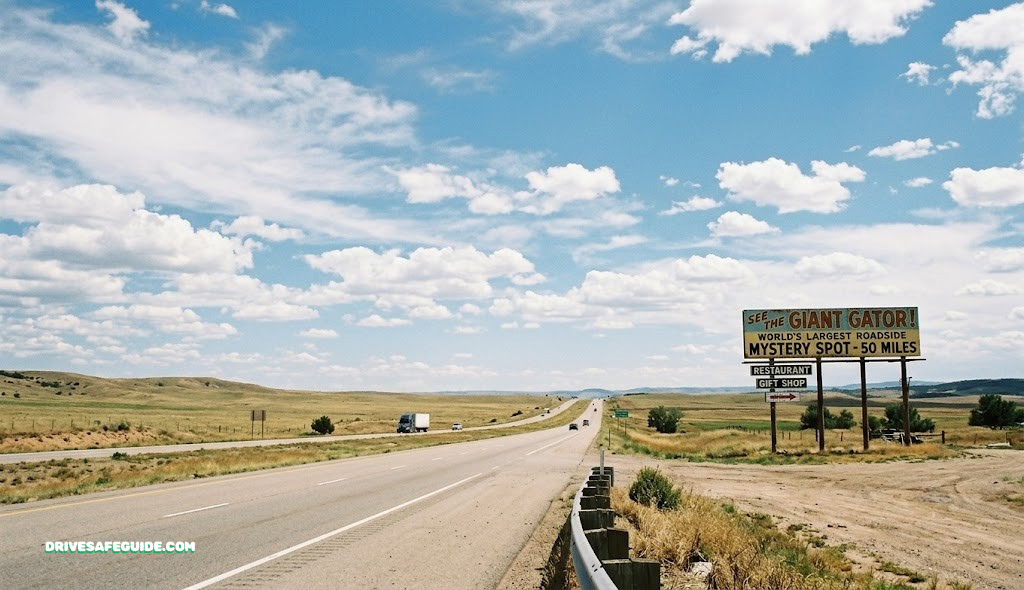
Discover the Best Roadside Attraction Stops for a Fun and Safe Road Trip
A practical, safety-first guide to the giant balls of twine, neon diners, national park detours, and legendary pit stops that turn a long drive into the best part of the trip.
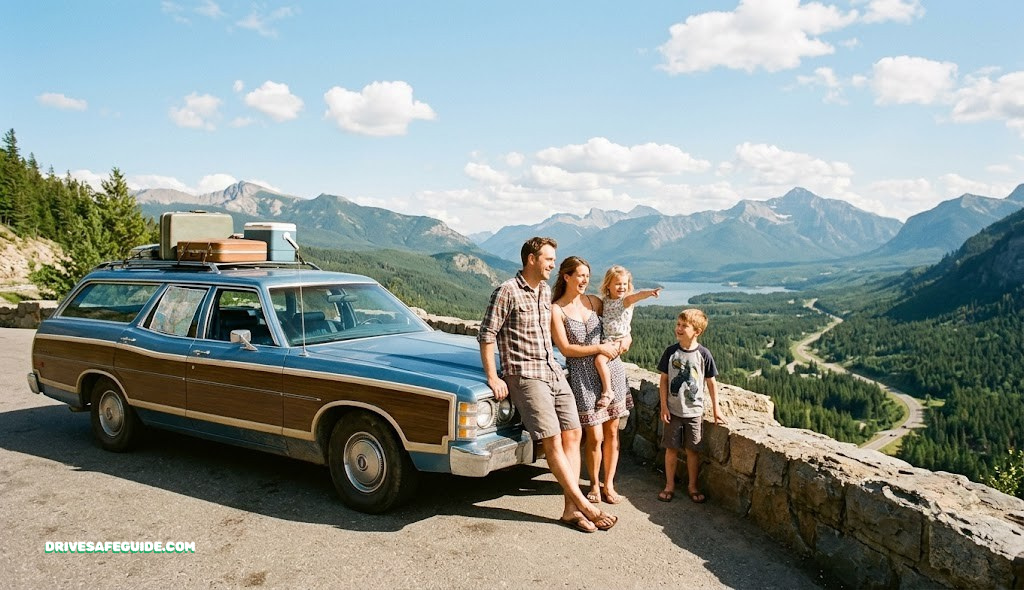
Somewhere between “we should really keep driving” and “wait, turn around, I have to see that,” a road trip earns its stories. The interstate system was built for speed and distance, but the roads that run alongside it — the two-lane highways, the frontage roads, the old alignments of Route 66 — are where the giant fiberglass dinosaurs, the hand-painted barns, and the world’s largest everything actually live. Roadside attractions are not a distraction from a good road trip. For a lot of travelers, they are the road trip.
This guide exists because “pull over and check it out” and “drive safely” are not opposite instructions. They can be the same instruction, if you plan the stop the right way. Below you’ll find a mile-by-mile approach to finding, choosing, and safely visiting the best roadside attractions in the country, along with the vehicle prep, timing, and pull-off habits that keep a fun detour from turning into a roadside emergency. If you haven’t already built your road trip essentials checklist, it’s worth doing that first — everything in this guide assumes you’re already carrying the basics.
Why Roadside Attractions Deserve a Spot on Your Route
Long highway stretches are one of the biggest contributors to driver fatigue, and fatigue is one of the most underrated risks on any road trip. Monotonous scenery, a steady speed, and hours without a real break create the exact conditions that make a driver’s attention drift. Roadside attractions solve this in a way that’s more effective than caffeine alone: they give you a reason to actually stop, get out of the car, walk around, and reset before the next leg of the drive.
There’s also a planning benefit that’s easy to overlook. A road trip built around specific stops — a giant ball of twine at mile 210, a scenic overlook at mile 340, a diner with a neon sign at mile 480 — naturally breaks a long drive into shorter, more manageable segments. That structure makes it much easier to catch early signs of drowsy driving before they become dangerous, because you’re never more than an hour or two from your next planned break.
And then there’s the simple fact that these places are fun. A drive-thru tree, a courthouse with a 40-foot chainsaw sculpture, a diner shaped like a coffee pot — these attractions turn a transactional drive from point A to point B into an actual experience. Research on America’s most-visited attractions consistently shows that oddball, only-in-America stops like Cadillac Ranch and the House on the Rock draw enormous crowds precisely because they’re strange, photogenic, and free or cheap to visit. That combination of low cost and high memorability is exactly what makes them worth building a trip around.

How to Plan a Route That Balances Fun and Safety
The best roadside-attraction road trips aren’t improvised entirely on the fly, and they’re not rigidly scheduled either — they sit somewhere in the middle. Start with your non-negotiables: departure time, arrival deadline (if any), and total driving hours you’re comfortable with per day. A widely used guideline is to cap highway driving at around 8 hours behind the wheel per day for a single driver, with breaks built in every two hours.
Once you know your daily driving budget, map your route and look for attractions within a few miles of your path, rather than attractions that require a long detour off the highway. A stop that’s visible from the exit ramp costs you ten minutes. A stop that’s 40 minutes off your route costs you an hour and a half round trip, plus the visit itself — fine for a planned half-day detour, risky if you’re trying to make good time.
A Simple Three-Step Planning Method
- Map your driving days first. Decide where you’ll sleep each night before you decide what you’ll see. This keeps total drive time realistic.
- Layer in attractions along the corridor. Search for roadside stops within a few minutes of your route for each day, and mark two or three “must-see” stops plus a longer list of optional ones.
- Build in buffer time. Add 20–30% more time than you think you’ll need. Weather, construction, and traffic all eat into a tight schedule fast — pair this with a look at navigation and traffic apps every driver should use so you can reroute around delays in real time.
If you’re driving through unfamiliar territory, cross-reference your planned stops with recent reviews. Attractions that were open ten years ago sometimes close, change hours, or become seasonal. A quick search the morning of your trip can save you a wasted detour.
Reading the Road: Safe Pull-Off Points and Rest Areas
Not every roadside attraction has a proper parking lot, and this is where a lot of avoidable incidents happen. Before you commit to a stop, look ahead for a clearly marked exit, turnout, or designated parking area rather than braking hard on the shoulder of a highway. If an attraction is only accessible by parking on a narrow shoulder with fast-moving traffic nearby, treat that as a sign to keep driving, take a photo through the window if it’s safe to do so, and move on.
| Pull-Off Signal | What It Means | Recommended Action |
|---|---|---|
| Marked exit with attraction signage | Official, sanctioned stop with infrastructure | Safe to plan as a full stop |
| Paved turnout or scenic overlook | Built for parked vehicles, usually has guardrails | Good short-stop option, still check sightlines |
| Gravel shoulder, no striping | Not designed for parking, limited visibility | Use only briefly, hazards on, park well off the travel lane |
| Narrow shoulder on a curve or hill | Poor visibility for approaching traffic | Avoid — find the next legitimate pull-off instead |
Official rest areas remain the gold standard for a break that involves restrooms, a chance to stretch, and — increasingly — nearby attractions of their own, from historical markers to picnic areas with local flavor. When comparing options, look at recent traveler write-ups; entire lists exist ranking the best rest stops in the country by amenities, food, and cleanliness, which is a good sign that not all rest areas are created equal.
Whenever you do pull off, use your turn signal early, brake gradually rather than suddenly, and park with your wheels turned away from traffic if you’re on any kind of incline. These habits pair well with the broader set of defensive driving habits that reduce collision risk — a roadside stop is exactly the kind of unplanned maneuver where defensive habits matter most.
Iconic Route 66 Stops You Shouldn’t Miss
No conversation about roadside attractions gets far without Route 66. The Mother Road ran roughly 2,448 miles from Chicago to Santa Monica, and even though it was officially decommissioned decades ago, long stretches survive as Historic Route 66, still lined with the neon signs, mom-and-pop diners, and motor courts that made the highway famous in the first place.
Some stops along the corridor are essential enough that they’ve become road trip landmarks in their own right:
- Cadillac Ranch, Amarillo, Texas. Ten Cadillacs are buried nose-first in a field, tail fins pointing skyward, and visitors are encouraged to add their own spray paint layer to the ever-changing artwork. It’s free, it’s iconic, and it photographs beautifully at sunrise or sunset when the Texas panhandle sun is less punishing.
- Wall Drug, Wall, South Dakota. Technically just off the historic corridor near I-90, this pharmacy-turned-empire began with a simple offer of free ice water in 1931 and grew into one of the most successful roadside attractions in the country.
- The Blue Whale of Catoosa, Oklahoma. A giant smiling whale sculpture built beside a swimming hole, now a beloved photo-op stop for Route 66 travelers.
- Wigwam Motels, multiple locations. Sleep in a concrete teepee at one of the surviving Wigwam Village motor courts, a genuinely unique overnight option for travelers who want to combine lodging with the attraction itself.
Route 66 corridor driving mixes two-lane highway stretches with small-town main streets, so speed limits and pedestrian traffic change often. Treat every town crossing as a reason to slow down early, and keep an eye out for cyclists and pedestrians near popular photo-op attractions where people tend to walk into the road for a better angle.

World’s Largest and Weirdest Roadside Oddities
Every state seems to have at least one “world’s largest” claim, and hunting these down is practically its own road trip genre. A giant frying pan, a colossal ball of twine, a two-headed calf behind a gift shop counter — these attractions rarely take more than 20 minutes to visit, which makes them perfect low-commitment stops that still deliver a great photo and a good story.
Why They’re Worth the Stop
- Almost always free or very cheap
- Quick visits, ideal for stretching legs
- Highly photogenic for trip memories
- Often paired with a gift shop, café, or gas station for a true multi-purpose stop
What to Watch For
- Some are seasonal or have limited hours
- Parking can be tight in small-town locations
- A few require a real detour off the main highway
- Novelty attractions can draw distracted foot traffic near the road
Notable examples travelers frequently seek out include Carhenge in Alliance, Nebraska (a Stonehenge replica built from vintage automobiles), the giant Kokopelli sculptures found across the Southwest, and the sprawling International Car Forest near Goldfield, Nevada, where dozens of spray-painted cars are planted nose- and tail-down across the desert. Because these attractions are often clustered in rural areas with limited cell service, it’s worth downloading offline maps before you head out — a habit covered in more depth in the guide to essential driving apps.
Legendary Pit Stops: Wall Drug and the Art of the Mega-Stop
Some roadside attractions have grown so large that they’ve become full-scale destinations in their own right, combining a filling station, a restaurant, a museum, and a gift shop under one roof — or one sprawling complex. Wall Drug remains the best-known example: what started as a single South Dakota drugstore, kept afloat by a clever offer of free ice water to Depression-era travelers, has grown into a hub of Western wear, buffalo burgers, homemade donuts, and enough kitsch to fill an afternoon.
Other mega-stops follow a similar formula, usually built around one core hook — a huge indoor collection, a themed restaurant, or a genuinely strange museum — surrounded by enough additional attractions to justify a longer stay. These are the stops worth budgeting real time for, sometimes an hour or more, especially if you’re traveling with kids who’ll want to see everything.
What Makes a Mega-Stop Worth the Time
- Multiple attractions under one roof or complex, reducing the number of separate parking maneuvers
- Real restroom facilities, food options, and often fuel — a genuine multi-purpose break
- Large, well-marked parking lots designed for tour buses and RVs, which also makes them easier and safer for regular vehicles to navigate
Because these are longer stops, they’re a good place to also knock out routine vehicle checks — tire pressure, fluid levels, and a quick walk-around — while you’re already parked and not in a hurry. Pair the visit with the broader pre-departure risk elimination checklist so nothing slips through the cracks over a multi-day trip.
Natural Wonders Worth the Detour
Not every great roadside stop is manmade. Some of the most memorable detours on any road trip lead to genuine natural landmarks that happen to sit close enough to a highway corridor to justify the stop. Monument Valley, straddling the Arizona–Utah border, is a classic example: a 17-mile scenic loop road winds past towering red sandstone buttes, with sunrise and sunset offering the most dramatic light.
Rock City, perched atop Lookout Mountain near Chattanooga, is another long-running favorite — travelers walk among unusual rock formations for a view that, on a clear day, reportedly stretches across seven states. These natural attractions tend to require more driving time than a quick roadside oddity, so they’re best treated as planned half-day stops rather than spontaneous five-minute detours.
If your route runs near a national park entrance, it’s worth reading up on national park vehicle pass requirements ahead of time — some parks require a pre-purchased timed-entry reservation, and showing up without one can turn a planned stop into a wasted trip to the gate.

Quirky Museums, Kitsch, and Offbeat Americana
Between the giant statues and the natural wonders sits a whole category of roadside stop built around a single collector’s obsession: a barbed wire museum, a mustard museum, a UFO-and-alien-themed roadside diner. These attractions rarely make anyone’s “essential” travel list, and that’s exactly the appeal — you find them because you were already driving past, not because you planned a special trip.
Nevada’s Route 375, nicknamed the Extraterrestrial Highway, is a good example of a corridor built almost entirely around this kind of offbeat charm, with alien-themed inns, mining history museums, and installations like a motel decorated with thousands of clown figurines. None of it is essential in the traditional travel-guide sense, and all of it is memorable in exactly the way a good road trip story needs to be.
How to Find the Weird Stuff
- Search your route corridor for “world’s largest,” “museum of,” or “roadside attraction” alongside the highway or town names you’ll pass through
- Check community-driven attraction directories, which tend to catalog small, easy-to-miss stops that don’t show up in mainstream travel guides
- Ask locals at gas stations and diners — small-town attractions are often better known by word of mouth than by search results
These stops are usually quick, but because they’re often in small towns with narrow streets and street parking, take an extra moment to check your mirrors and blind spots before pulling in — a habit worth reinforcing alongside blind spot mirror upgrades if you’re driving a larger SUV or truck.
Family and Pet-Friendly Attraction Stops
Traveling with kids or pets changes what makes a good roadside stop. The priority shifts from “great photo” to “safe, easy, and lets everyone burn off energy.” Look for attractions with grass or open walking space, shade, and clear, fenced boundaries near any wildlife exhibits or water features.
Alligator parks, wildlife boardwalks, and interactive animal encounters are consistently popular family stops precisely because they combine education with a genuine chance to move around after hours in a car seat. If you’re traveling with a dog, look specifically for stops with designated pet relief areas and shaded parking, since a hot car — even briefly — is dangerous for animals. The guide on road-tripping safely with a dog covers this in more detail, and it’s worth reviewing pet restraint crash test ratings before your trip if your dog rides loose in the cabin.
- Choose stops with shaded parking for pets and car seats
- Bring water and a collapsible bowl for every attraction stop, not just meal breaks
- Time stops around nap schedules rather than fighting them
- Scout for restrooms and changing facilities before you commit to a longer detour
- Keep a properly rated car seat or pet restraint installed for every leg of the trip, not just highway driving
Family stops are also a good place to rotate drivers if you’re sharing the trip with another adult — a quick break is the ideal moment to swap and keep everyone alert for the next stretch of highway.
Scenic Byways and National Park Detours
Some of the best roadside attractions aren’t single stops at all — they’re entire routes. Scenic byways like the Great River Road, which follows the Mississippi River for roughly 3,000 miles from its Minnesota headwaters toward the Gulf, string together small-town attractions, natural overlooks, and historic markers along a single corridor that rewards slower, more deliberate driving.
These byways tend to have lower speed limits, more frequent curves, and considerably more pedestrian and cyclist traffic near attraction clusters than the interstate does. Slow down earlier than you think you need to, and treat every small-town crossing as a reason to actively scan for pedestrians stepping out to photograph a landmark.
If your byway route runs near a national park, build in extra buffer time. Entrance lines, timed-entry systems, and shuttle requirements can add 30–60 minutes to what looks like a quick stop on a map. Review the full scenic byway route planning guide before you commit a full day to one of these corridors, and double-check vehicle pass requirements for any park you plan to enter.
Vehicle Prep and Safety Checklist Before You Pull Off
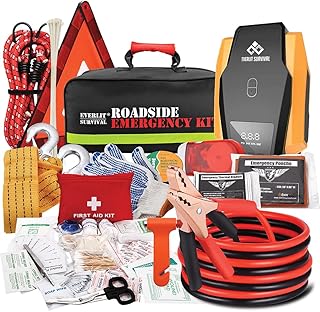
A roadside attraction stop is still a driving maneuver — braking, signaling, merging back into traffic — and it deserves the same basic prep as the rest of your trip. Before you leave home, confirm your tires, fluids, lights, and wipers are in good shape using a full pre-road-trip safety check, and make sure you’re carrying a properly stocked kit.
| Item | Why It Matters for Attraction Stops |
|---|---|
| Portable jump starter | Small parking lots at remote attractions often lack nearby help if a battery dies |
| Tire inflator and gauge | Gravel and unpaved lots at scenic overlooks are common causes of slow leaks |
| First aid kit | Uneven terrain at natural attractions increases the odds of minor scrapes or twists |
| Reflective triangles or flares | Useful if you need to stop briefly on a shoulder before reaching a proper pull-off |
| Offline maps / paper map backup | Many roadside attractions sit in low-signal rural corridors |
For a full breakdown of what belongs in a kit and how to organize it, see the guide to how to build a car safety kit, and if you’re headed somewhere with cold-weather risk, cross-reference the winter car emergency kit checklist as well.
The 60-Second Pre-Stop Habit
- Signal early and check mirrors and blind spots before slowing down
- Choose a marked exit, turnout, or lot — never brake hard on the open shoulder
- Once parked, engage the parking brake on any incline
- Do a quick visual walk-around before pulling back into traffic
Building Your Own Custom Roadside Attraction Itinerary
The most memorable road trips usually mix all of the categories above rather than sticking to just one. A well-balanced itinerary alternates between quick, free novelty stops; one or two longer mega-stops; a natural landmark or scenic byway segment; and enough buffer time to handle the unexpected.
A Sample Framework for a Multi-Day Trip
- Day 1: Two quick roadside oddities (10–20 minutes each) plus one meal stop with a local specialty
- Day 2: One mega-stop (60–90 minutes) combined with routine vehicle checks and fuel
- Day 3: A scenic byway segment or national park detour, budgeted as a half-day
- Day 4: A mix of family-friendly stops and one or two quirky museums, timed around nap or rest breaks
Keep a running list of “if we have time” stops separate from your must-see list. This makes it easy to drop lower-priority attractions if you’re running behind schedule, without feeling like the trip fell apart. It’s also worth checking the weather forecast the morning of each driving day — conditions like fog or heavy rain change how much of a detour is reasonable, and it’s worth reviewing fog driving strategies or rain driving safety tips if conditions turn on travel day.
Finally, build your itinerary around realistic daily driving limits, not the most ambitious version of the trip. A route that leaves room for spontaneity — the unplanned giant chicken statue you spot from the highway — usually produces better memories than one scheduled down to the minute.
Stop Types Compared: Quick Stretch vs. Half-Day vs. Overnight
Not every attraction deserves the same amount of your itinerary. Use this comparison to decide how much time and planning a given stop is worth before you commit.
| Stop Type | Typical Time | Best For | Planning Needed |
|---|---|---|---|
| Quick Stretch | 10–20 minutes | Novelty statues, roadside oddities, photo ops | Minimal — check hours only |
| Half-Day Detour | 2–5 hours | Natural wonders, mega-stops, scenic byway segments | Moderate — check road conditions, entry fees |
| Overnight Stop | 1+ nights | National park bases, historic towns, themed motels | High — reservations, permits, timed entry |
Detour-Heavy Road Trips: Pros
- More memorable, story-worthy trip overall
- Natural breaks reduce fatigue and drowsy driving risk
- Flexible pacing lets you skip stops that don’t pan out
Detour-Heavy Road Trips: Cons
- Total trip time is harder to predict
- More stop-and-go driving in unfamiliar areas
- Requires more pre-trip research to avoid wasted detours
Frequently Asked Questions
How do I find roadside attractions along my specific route?
Map your driving route first, then search for attractions within a few miles of that corridor rather than searching broadly by state. Community-run attraction directories and recent travel write-ups tend to be more current than general search results for small, independently run stops.
Are roadside attractions safe to visit alone?
Most well-known roadside attractions are perfectly safe for solo travelers, especially those near towns or established rest areas. Use general travel common sense: visit during daylight when possible, let someone know your route, and avoid isolated stops after dark unless the location is well-lit and clearly maintained.
What’s the safest way to pull off the highway for a quick stop?
Use a marked exit, turnout, or designated parking area rather than the open shoulder. Signal early, brake gradually, and avoid stopping on curves, hills, or anywhere with poor visibility for approaching traffic.
How much extra time should I budget for roadside attraction stops?
A good starting point is 20–30% more total trip time than a direct-route estimate, with quick novelty stops budgeted at 10–20 minutes and larger detours or natural landmarks budgeted as half-day stops.
Are roadside attractions good stops for families with young kids?
Yes, especially attractions with open walking space, shade, and interactive elements like wildlife exhibits. Time stops around nap schedules where possible and prioritize locations with accessible restrooms.
Can I bring my dog to most roadside attractions?
Many outdoor roadside attractions are pet-friendly, but policies vary widely, especially at wildlife parks and museums. Check ahead, and never leave a pet in a parked car, even briefly, since interior temperatures can rise quickly.
What should I keep in my car specifically for attraction-stop road trips?
A portable jump starter, tire inflator, first aid kit, reflective triangles, and offline maps cover most of the situations unique to remote or rural attraction stops, where cell service and roadside assistance response times can both be limited.
Do I need reservations for national park roadside stops?
Some national parks require a timed-entry reservation or a specific vehicle pass, particularly during peak season. Check current requirements before you build the stop into your itinerary, since arriving without one can mean being turned away at the gate.
What time of day is best for photographing roadside attractions?
Early morning and late afternoon generally offer softer light and cooler temperatures, which is especially useful for attractions in desert or exposed locations. Midday sun tends to wash out photos and make outdoor visits less comfortable.
How do I know if an attraction is still open before I detour?
Check for recent reviews or social media posts rather than relying solely on a business listing, since small, independently run attractions can change hours seasonally or close without updating older directories.
Is it worth taking scenic byways instead of the interstate for attraction hunting?
Scenic byways generally have a much higher density of interesting stops, but slower speed limits and more pedestrian and cyclist traffic. They’re worth it if you have flexible time; they’re riskier if you’re working against a tight arrival deadline.
What’s the biggest safety mistake people make at roadside attractions?
Stopping on an unmarked highway shoulder instead of finding a proper pull-off, and walking into the road for a better photo angle. Both are avoidable with a few extra minutes of planning and a willingness to find the next legitimate stop.
The Road Is Better When You Actually Stop
A road trip built entirely around driving hours and arrival times is a commute. A road trip built around the stops in between — the giant twine ball, the neon diner sign, the overlook that makes everyone put their phones down for a minute — is the version most people actually remember years later. The goal isn’t to see everything; it’s to plan enough that the fun stops feel effortless and the safety habits feel automatic.
Before you head out, run through your road trip essentials checklist one more time, confirm your vehicle is ready with a full pre-trip safety check, and give yourself permission to take the detour when you see something worth pulling over for.