Mastering the Chill: Essential Tips for Safe Winter Driving
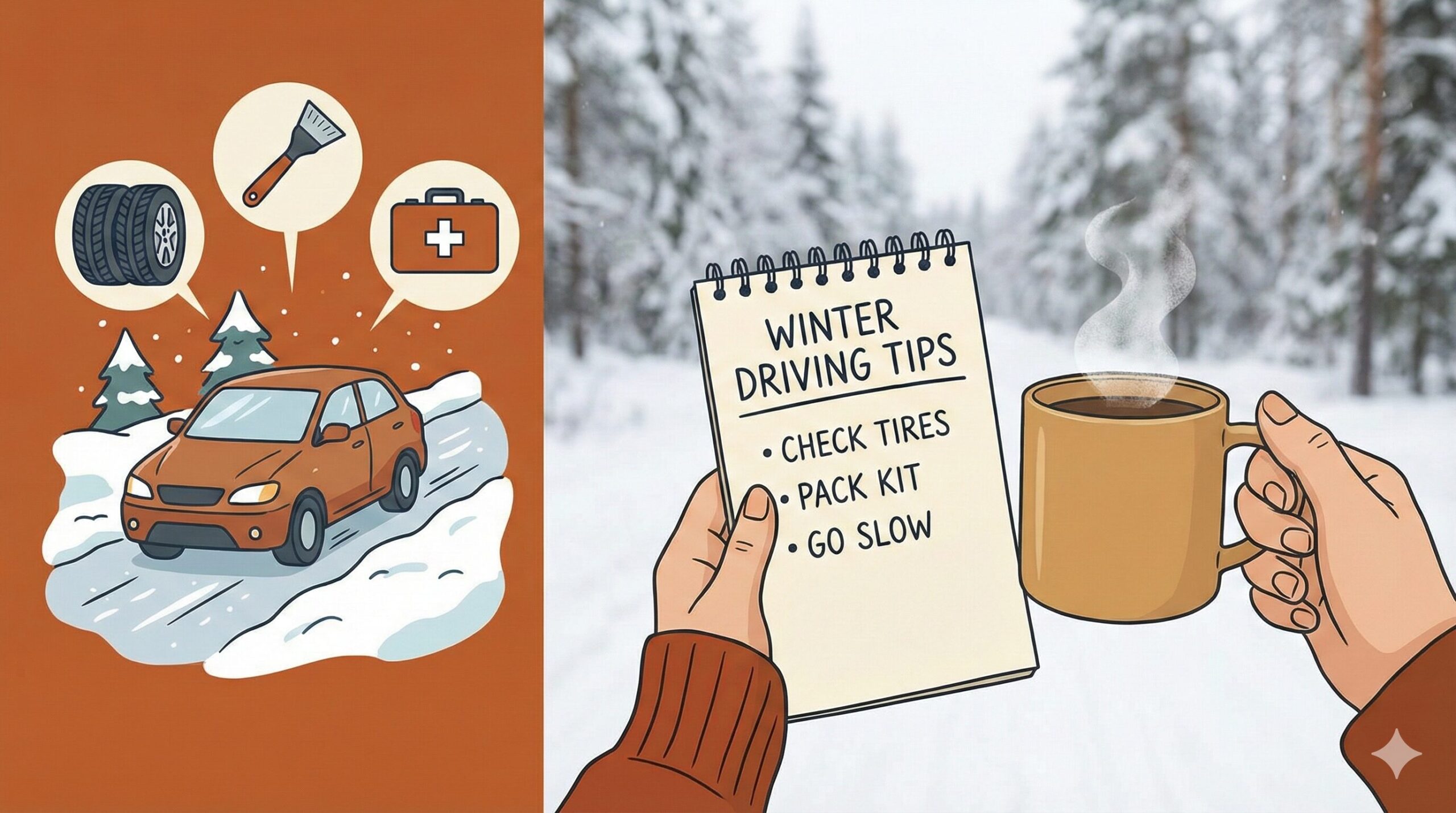
Winter transforms familiar roads into obstacle courses. The grip you took for granted in July vanishes in January. Visibility drops to near zero in squalls, and mechanical issues that were minor annoyances in the summer—like a weak battery—become life-threatening failures in sub-zero temperatures.
Yet, life doesn’t stop for the snow. Whether you are commuting to work or heading out for a holiday adventure, understanding the physics of winter driving is non-negotiable. It isn’t just about driving slower; it’s about driving smarter, anticipating hazards, and preparing your vehicle for the harsh conditions ahead.
This guide goes beyond the basic advice of “slow down.” We will dive into the mechanics of traction, the chemistry of winter fluids, and the split-second decisions that prevent accidents.
Winterizing Your Car: Mechanical Defense
Your driving skills rarely matter if your car refuses to start or can’t clear the windshield. Winter is brutal on machinery. Before the first flake falls, you need to audit your vehicle’s health.
1. Battery Health
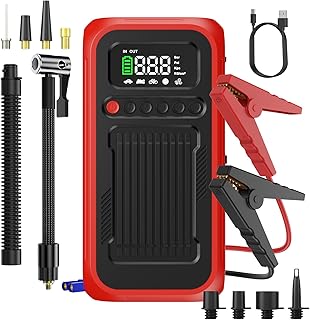
Cold weather slows down the chemical reaction inside lead-acid batteries. At 32°F, a battery loses about 35% of its strength. At 0°F, it loses 60%. If your battery is more than three years old, get it tested. You don’t want to be stranded in a parking lot at night. For specific recommendations, check our guide on the best car batteries for cold weather.
2. Fluids and Wipers
Summer washer fluid will freeze in the reservoir and lines, potentially cracking the pump. Switch to a winter-blend fluid rated for at least -20°F. Simultaneously, replace your wiper blades. If they are streaking now, they will be useless against heavy sleet.
3. Lights and Visibility
With shorter days, your headlights are vital. Restore cloudy lenses and check all bulbs. Remember to clear snow from your headlights and taillights before every drive—not just the windshield. Seeing and being seen is half the battle.
Tires: The Only Thing Touching the Road
All-wheel drive (AWD) helps you get moving, but it does not help you stop. Tires do.
All-Season vs. Winter Tires
The name “All-Season” is a misnomer. The rubber compound in all-season tires begins to harden at 45°F (7°C). Like a hockey puck, hard rubber slides on ice.
Winter Tires (Snow Tires): These use a hydrophilic rubber compound that stays flexible in extreme cold. They also feature “sipes”—thousands of tiny slits that bite into ice. If you live where it snows regularly, winter tires are the single best safety upgrade you can buy.
Unsure if your vehicle setup is adequate? Read our comparison on whether FWD is good enough for snow versus AWD.
Critical Driving Techniques
Once you are on the road, you must adjust your inputs. Jerky movements cause skids. Smoothness is key.
1. Accelerate and Decelerate Slowly
Apply the gas slowly to regain traction and avoid skids. Don’t try to get moving in a hurry. And take time to slow down for a stoplight. Remember: It takes longer to slow down on icy roads.
2. Increase Following Distance
The normal “three-second rule” should be increased to eight to ten seconds. This gives you room if the car in front of you spins out, and it gives you the distance needed to stop gently without locking your brakes.
3. Don’t Stop on Hills
There’s nothing worse than trying to get moving up a hill on an icy road. Get some inertia going on a flat roadway before you take on the hill. Carrying that momentum to the top is safer than trying to power up it. Conversely, do not power up hills. Applying extra gas on snow-covered roads will just make your wheels spin.
The Invisible Enemy: Black Ice
Black ice isn’t actually black; it’s transparent, allowing the dark pavement to show through. It forms most often on bridges, overpasses, and shaded spots where the sun can’t melt the frost.
How to Handle a Slide:
- Do NOT slam the brakes. This locks the wheels (or triggers ABS aggressively) and removes your ability to steer.
- Ease off the gas. Transfer weight to the front tires naturally.
- Steer into the slide. If your rear end kicks out to the right, turn your steering wheel to the right.
For a deep dive into this specific hazard, check our guide on how to survive black ice encounters.

What to Do If You Get Stuck
Despite your best efforts, you might end up in a snowbank. If you do:
- Stay with your vehicle. It provides temporary shelter and makes it easier for rescuers to find you. Do not try to walk in a severe storm.
- Clear the exhaust pipe. Ensure snow isn’t blocking the tailpipe to prevent carbon monoxide poisoning.
- Run the engine sparingly. Run it just enough to stay warm (e.g., 10 minutes every hour) to conserve fuel.
- Make yourself visible. Tie a bright cloth to the antenna or use road flares.
Building a Winter Survival Kit
Every trunk should have a “Go Bag” for winter. If you slide into a ditch on a rural road, help might be hours away.
Essential Items:
- A warm blanket or sleeping bag.
- Non-perishable snacks and water (store water in plastic, not glass, to prevent freezing/breaking).
- A folding shovel and kitty litter (for traction).
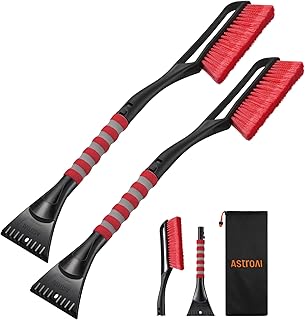
- Jumper cables and a flashlight.
- A first aid kit.
Review our comprehensive winter car emergency kit checklist to make sure you aren’t missing anything vital.
