Safe Driving Habits: The Ultimate Guide to Accident Prevention and Road Safety
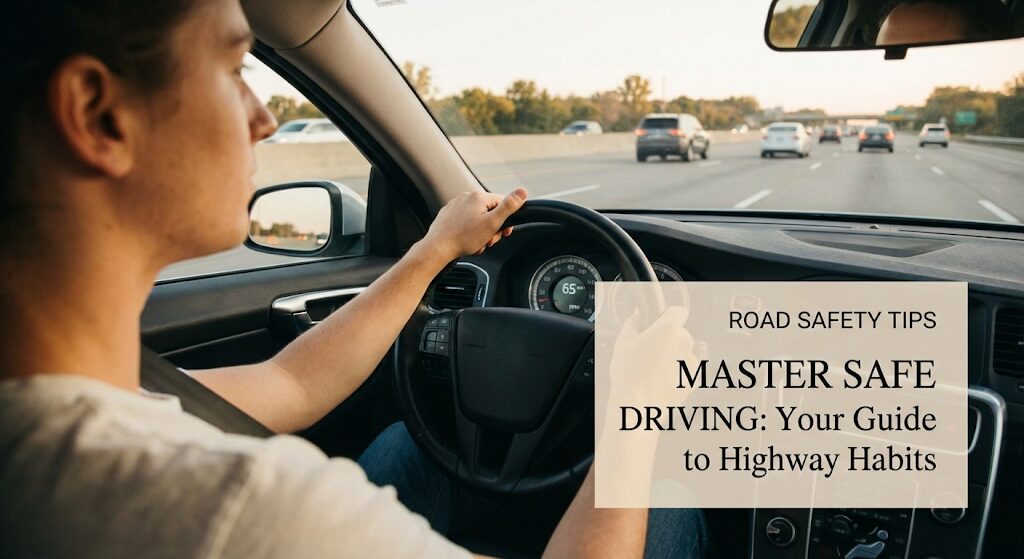
Driving is likely the most dangerous activity you participate in on a daily basis. According to global safety statistics, human error accounts for over 90% of all road accidents. The difference between a near-miss and a collision often comes down to habit. Safe driving isn’t just about following the law; it is about cultivating a subconscious set of behaviors that constantly scan for, predict, and neutralize threats before they materialize.
In this comprehensive guide, we will break down the 12 non-negotiable safe driving habits that distinguish an average operator from a truly defensive driver. Whether you are a newly licensed teen or a veteran of the road, these strategies are your frontline defense.
1. The Defensive Mindset: Anticipation vs. Reaction
Most accidents happen because a driver was reacting to a situation rather than anticipating it. The core of safe driving is the shift from “passive” to “active” driving.
The SIPDE Method
Defensive driving schools often teach the SIPDE method, which stands for:
- Scan: Continuously sweep your eyes across the road, not just the car in front of you.
- Identify: Recognize potential hazards (a ball rolling into the street, a car swerving).
- Predict: Ask yourself, “If that car swerves, where will I go?”
- Decide: Determine your course of action (brake, steer, accelerate).
- Execute: Perform the maneuver smoothly.
A defensive driver assumes that other drivers will make mistakes. They expect the car at the stop sign to pull out in front of them; they expect the pedestrian to jaywalk. By expecting the worst, you are never surprised when it happens.
 Shop Defensive Driving Manuals
2. Eliminating Distractions: The Modern Epidemic
Distracted driving claims thousands of lives annually. While smartphones are the primary culprit, distraction comes in three forms:
| Type | Description | Examples |
|---|---|---|
| Visual | Taking your eyes off the road. | Checking GPS, looking at a billboard, turning to talk to passengers. |
| Manual | Taking your hands off the wheel. | Eating, drinking coffee, grooming, adjusting the radio. |
| Cognitive | Taking your mind off driving. | Daydreaming, arguing on a hands-free call, stress. |
For those who struggle with focus due to neurodivergent conditions, standard strategies might not be enough. It is crucial to understand how your brain works on the road. Read more about driving with Dyslexia, ADHD, and Dyspraxia: rights and strategies to tailor your habits to your specific needs.
Shop Hands-Free Phone Mounts
3. The 3-Second Rule and Space Management
Tailgating is a leading cause of rear-end collisions. Safe driving requires a “safety cushion” of space around your vehicle. This space buys you time to react.
How to Measure Following Distance
Pick a stationary object on the side of the road (a sign or tree). When the rear bumper of the car ahead of you passes it, start counting: “One thousand one, one thousand two, one thousand three.” If you pass the object before you finish counting, you are too close.
Note: In adverse weather (rain, snow, fog), this should be increased to 5 or 6 seconds. The heavier your vehicle, the more space you need.
4. Intelligent Speed Control
Speed limits are set for ideal conditions. A safe driving habit involves adjusting your speed based on the current conditions, not just the sign on the post. This concept is known as “driving too fast for conditions,” and it is a common citation in accidents.
Factors that dictate a lower speed include:
- Traffic Flow: Driving significantly faster or slower than the flow of traffic creates turbulence and danger.
- Road Condition: Potholes, gravel, or construction zones require reduced speeds.
- Visibility: If you cannot see 10 seconds ahead of you, you cannot stop in time for a hazard you can’t see.
5. Intersection Mastery
Intersections are conflict points where paths cross. They are high-risk zones. A critical habit is to never blindly trust a green light. When the light turns green, count to two and scan Left-Right-Left before entering.
6. Blind Spot Management and Mirror Usage
You should be checking your mirrors every 5 to 8 seconds. This keeps you updated on the “traffic picture” behind you. However, mirrors have limits. Relying solely on mirrors for lane changes is a recipe for disaster.
The Shoulder Check
Before every lane change, you must physically turn your head to check the blind spot—the area next to your car that mirrors don’t show. This momentary glance confirms that a motorcycle or small car isn’t hiding right next to your rear fender.
Shop Blind Spot Mirrors
7. Weather Adaptation
Rain, snow, and ice change the physics of driving. Tires lose grip, and stopping distances double or triple. A key habit is identifying the change in road surface early.
Winter driving, in particular, requires preparation beyond just driving skills. It requires equipment. Do not get caught unprepared in a blizzard or freezing rain. Review our comprehensive winter car emergency kit checklist to ensure your trunk is stocked with essentials like thermal blankets and traction aids.
8. Vehicle Health Checks
You cannot drive safely in an unsafe vehicle. Developing a habit of a “pre-flight check” can save your life. Once a week, walk around your car. Check tire pressure, look for cracks in the windshield, and ensure all lights are working.
Warning Lights
Modern cars communicate their health through the dashboard. Ignoring these lights is dangerous. For example, a check engine light can mean anything from a loose gas cap to a misfiring engine. Understanding the difference is vital. Learn more about the solid vs. flashing check engine light and whether it is safe to keep driving.
Shop Tire Pressure Gauges
9. Combating Fatigue
Drowsy driving is as dangerous as drunk driving. Fatigue slows reaction times and impairs judgment. The most dangerous aspect is “microsleep”—nodding off for just a second or two. At highway speeds, a 2-second microsleep means you travel the length of a football field completely blind.
If you find yourself yawning frequently, drifting lanes, or unable to remember the last few miles, pull over immediately. Coffee is a temporary fix, not a cure. For a structured approach to managing tiredness on long trips, use our drowsy driving checklist.
10. Parking Lot Safety
Parking lots are low-speed environments with high accident frequency. Pedestrians appear from between cars, carts roll away, and drivers back out blindly. The safest habit in a parking lot is to “Pull Through” whenever possible.
By pulling through to the spot facing the next lane, or backing into a spot upon arrival, you ensure that when you leave, you are driving forward. Driving forward out of a spot offers 100% better visibility than backing out into active traffic.
11. Emotional Control and Road Rage
Driving can be stressful. Traffic jams, rude drivers, and running late can trigger anger. Road rage leads to aggressive maneuvering, speeding, and “brake checking.” A safe driver separates their ego from their driving.
If another driver cuts you off, let it go. Do not engage, do not make eye contact, and do not escalate. Assume the other driver is having a medical emergency rather than personally attacking you. This mental reframe de-escalates your own anger and keeps you focused on safety.
12. Physical and Mental Readiness
Finally, safe driving starts before you even enter the car. It assesses whether you are fit to drive. This includes sobriety (alcohol and drugs), but also emotional distress and illness.
Consider the impact of physical pain or minor medical procedures. Many drivers assume they are fine to drive after a dental appointment, but local anesthetics and pain can impair cognitive function. Before getting behind the wheel after a procedure, check our guide on driving after a root canal: local vs. sedation.
Shop Car First Aid Kits
Conclusion: Making Safety a Lifestyle
Building safe driving habits is a lifelong journey. It requires conscious effort every time you turn the key. By mastering space management, eliminating distractions, and maintaining your vehicle, you actively reduce the statistical probability of an accident.
Don’t wait for a close call to change your habits. Start today. Choose one of these 12 habits to focus on during your next drive, and master them one by one. The road is shared by us all; let’s make it safer together.
Browse Top Rated Car Safety Accessories
Frequently Asked Questions
What is the most important safe driving habit?
Maintaining a proper following distance (the 3-second rule) is often cited as the most critical habit because it provides the time and space needed to react to almost any other hazard on the road.
How can I improve my reaction time while driving?
You can improve reaction time by eliminating distractions, scanning the road ahead (SIPDE method), and ensuring you are well-rested. Physical fitness and staying hydrated also play a role in cognitive speed.
Is it safer to drive slightly below the speed limit?
Generally, yes, especially in poor conditions. However, driving significantly slower than the flow of traffic on highways can be dangerous as it disrupts traffic patterns and causes other drivers to make aggressive lane changes.
What should I do if a tailgater is following me?
Do not brake check them. Instead, increase the distance between you and the car in *front* of you. This allows you to brake more gently if traffic slows, reducing the chance of the tailgater hitting you. If possible, change lanes safely to let them pass.
How often should I check my mirrors?
You should check your rearview and side mirrors every 5 to 8 seconds to maintain full situational awareness of the traffic environment around your vehicle.
Are hands-free calls safe while driving?
While legally permitted in many places, hands-free calls still cause cognitive distraction. Your brain is engaged in the conversation rather than analyzing the road, which can lead to “inattention blindness.”
What is the best hand position on the steering wheel?
The recommended position is 9 o’clock and 3 o’clock. This reduces the risk of injury from airbag deployment and offers superior leverage for evasive maneuvers compared to the old “10 and 2” standard.
How does loud music affect driving safety?
Loud music can mask auditory cues like sirens, horns, or mechanical issues. Fast-paced music can also subconsciously encourage speeding and aggressive driving behaviors.
When should I use my headlights?
Use headlights from dusk until dawn, and whenever weather conditions (rain, fog, snow) require windshield wipers. Using headlights during the day (Daytime Running Lights) also increases your visibility to other drivers.
What is defensive driving?
Defensive driving is a set of skills that allows you to defend yourself against possible collisions caused by bad drivers, drunk drivers, and poor weather. It focuses on anticipation, space management, and emotional control.