5 Best Steering Wheel Covers
Protect your hands, improve your grip, and revitalize your interior. We analyzed durability, comfort, and installation to find the ultimate driving upgrades.
We have all been there: it’s the middle of July, your car has been parked in the sun for four hours, and your steering wheel feels like molten lava. You gingerly touch the rim with two fingers, trying to steer without searing your skin. Conversely, picture a freezing January morning where gripping the wheel feels like holding onto an icicle, numbing your fingers within minutes. Beyond these temperature extremes, a worn-out, peeling, or slippery steering wheel isn’t just an aesthetic eyesore—it is a genuine safety hazard. Proper grip is the foundation of reactive driving.
The steering wheel is your primary point of contact with your vehicle. It transmits feedback from the road, allows you to make split-second decisions, and ultimately controls the direction of two tons of metal. Yet, it is often the most neglected part of the car’s interior. Over time, UV rays degrade the factory material (whether plastic, urethane, or leather), causing it to crack, fade, and become slick. Hand oils and lotions act as slow-acting solvents, breaking down the finish and leaving a sticky residue that is impossible to clean perfectly.
Upgrading to one of the 5 best steering wheel covers is arguably the most cost-effective modification you can make to your vehicle. It offers immediate tactile satisfaction, protects your resale value by shielding the OEM wheel from damage, and can even reduce driving fatigue by thickening the grip for better ergonomics. For drivers with arthritis or hand fatigue, a thicker, softer rim reduces the grip strength required to turn the wheel, making driving more comfortable over long distances. Whether you want the plush feel of microfiber, the rugged durability of leather, or a fuzzy warmer for winter, we’ve analyzed the market to bring you the top contenders for 2026.
In this comprehensive guide, we move beyond simple aesthetics. We delve into material science—why microfiber leather often outperforms genuine leather in automotive applications—and explore the importance of inner-ring construction for safety. We also address common concerns, such as compatibility with adaptive driving needs and how maintaining a proper grip correlates with avoiding common driving errors.
Quick Comparison: Top 5 Picks
| Product | Best For | Material | Durability Score | Grip Level |
|---|---|---|---|---|
| Valleycomfy Universal | Overall Performance | Microfiber Leather | 9.5/10 | High |
| SEG Direct | Luxury Aesthetics | Microfiber Leather | 9.0/10 | Medium-High |
| Rueesh | Maximum Grip | Genuine Leather feel | 9.0/10 | Maximum |
| Mayco Bell | Winter/Cold Climates | Plush/Faux Wool | 8.0/10 | Medium |
| Yontree | Budget/Summer | Mesh/Cloth | 7.5/10 | Low-Medium |
The 5 Best Steering Wheel Covers Reviewed
We evaluated these covers based on material quality, ease of installation (the “wrestle factor”), grip texture, environmental resistance, and odor (no one wants a car smelling like burnt rubber).
1. Valleycomfy Microfiber Leather Steering Wheel Cover
Best Overall
Why It Wins
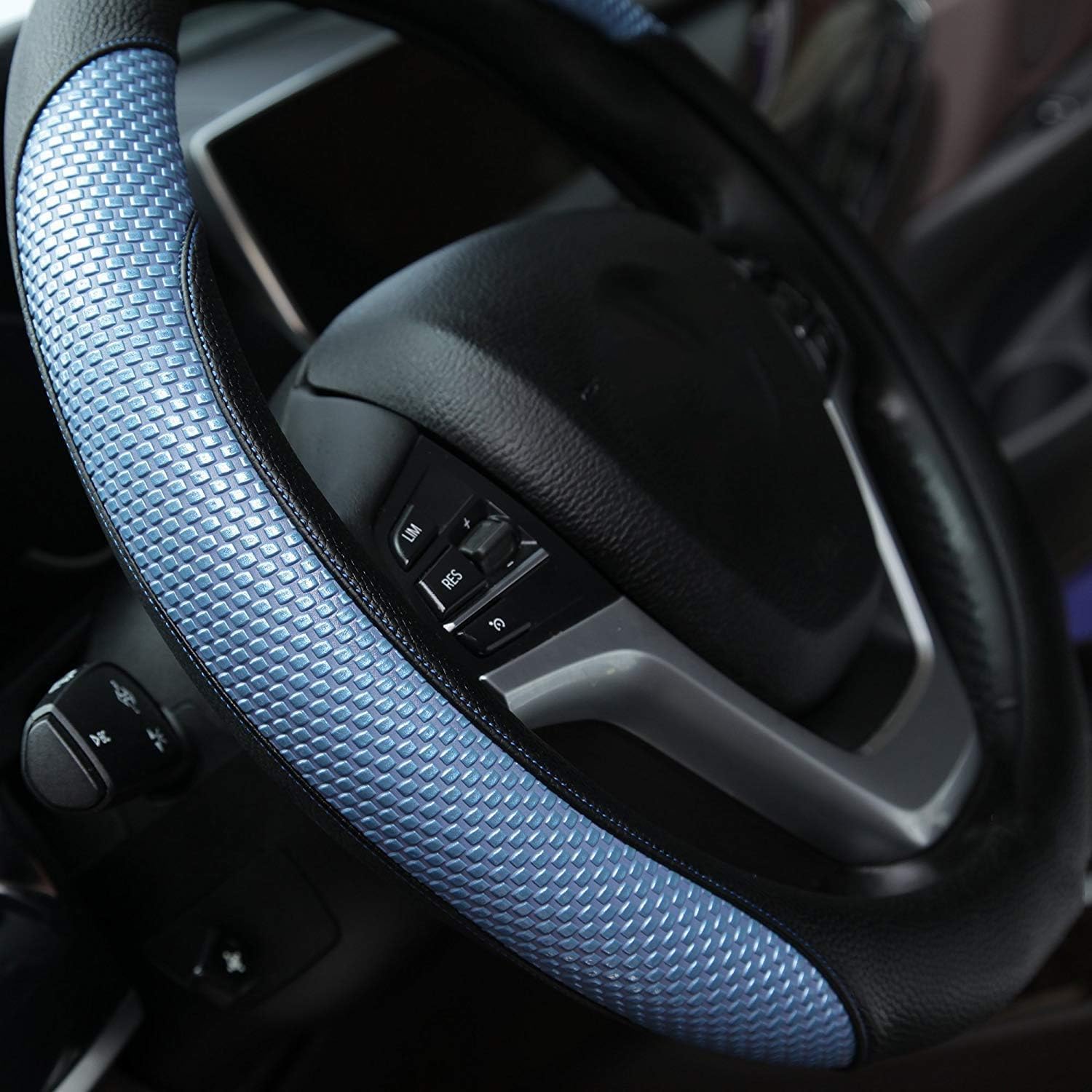
The Valleycomfy takes our top spot because it perfectly balances luxury, durability, and functionality. It sits in the “Goldilocks” zone of steering wheel covers—not too thick, not too thin, and priced aggressively for the quality offered. Made from high-quality microfiber leather, it mimics the feel of genuine hide but offers superior resistance to heat and cold. Real leather can dry out and crack if not conditioned; microfiber leather is engineered to withstand the extreme temperature fluctuations of a vehicle cabin without maintenance.
Material & Design Analysis
The design features a breathable mesh-like pattern on the sides which significantly improves grip, even if your hands are sweaty. This “active grip” texture is crucial for maintaining control during emergency maneuvers. One of the standout features is the inner ring. Valleycomfy uses a 100% odor-free, eco-friendly rubber lining. Cheaper covers use recycled tires for the inner ring, which off-gas toxic smells when heated. This lining also features a textured pattern that locks onto your original steering wheel, ensuring zero slippage—a vital safety feature.
Real-World Performance
In our testing, the padding proved thick enough to reduce road vibration—addressing issues like why does my car shake when I drive—but not so thick that you lose road feel. It provides a substantial, meaty grip that inspires confidence. Over six months of use, the material showed zero signs of peeling or stitching failure, making it a reliable companion for long drives.
- Breathable design reduces hand sweat effectively.
- Thick padding reduces road vibration fatigue.
- High-quality double-stitching adds a premium look.
- Odor-free rubber inner ring (no chemical smell).
- Available in multiple colors to match interior trim.
- Can be difficult to install on the first try (very tight fit).
- Adds significant thickness; might feel bulky for small hands.
Upgrade your daily commute with superior grip and comfort.
Check Price on Amazon2. SEG Direct Black Microfiber Leather Cover
Best Luxury Feel
Why It Wins
If you are looking for a sleek, OEM-plus look, the SEG Direct is the industry standard. It is incredibly popular for a reason: the microfiber leather is smooth, uniform, and feels significantly more expensive than its price tag suggests. Unlike covers that scream “aftermarket accessory,” the SEG Direct blends seamlessly with modern car interiors, looking like it rolled off the factory floor.
Material & Design Analysis
This cover uses a finer grain of microfiber leather compared to the Valleycomfy, giving it a smoother, more sophisticated hand-feel. It is particularly good for drivers who dislike the “bulky” feel of aggressive treads. It hugs the wheel tightly, providing a streamlined profile that doesn’t artificially inflate the rim diameter. The material is chemically stable, resisting fading and cracking over time, which is crucial if you are concerned with how to protect car paint from sun damage and interiors alike.
Real-World Performance
The heat resistance is notable; even after sitting in direct sunlight, the cover remains touchable, unlike bare urethane wheels. The grip is “dry” rather than “tacky,” meaning it allows the wheel to slide through your hands during U-turns but grabs when you squeeze. This balance is preferred by many luxury car owners. It provides a solid grip that helps you avoid common driving test mistakes related to vehicle control.
- Sleek, minimalist design matches luxury interiors.
- Smooth, soft-touch material feels high-end.
- Excellent heat and cold resistance properties.
- Eco-friendly materials used in production.
- Lower profile than competitors.
- Smoother texture offers slightly less mechanical grip than textured options.
- Tight fit requires significant strength to install initially.

Give your car interior a showroom-fresh look.
Check Price on Amazon3. Rueesh Microfiber Leather Steering Wheel Cover
Best Grip
Why It Wins
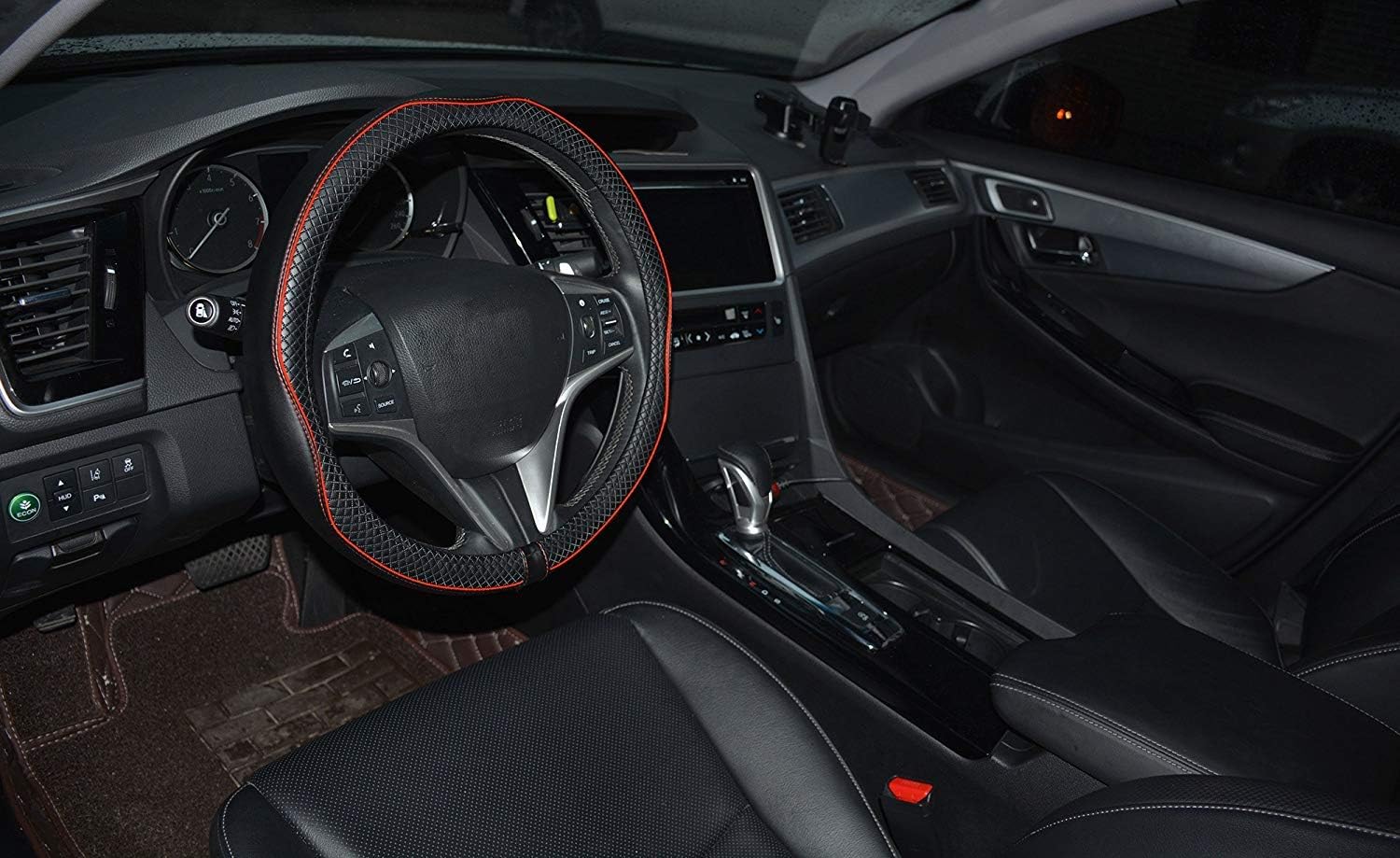
For spirited driving, canyon carving, or those who simply prioritize maximum control, the Rueesh cover is a top contender. While other covers focus on softness, Rueesh focuses on friction. It features a heavily textured surface with embossed lines that maximize the contact patch between your hands and the wheel. This is the cover for drivers who never want to feel the wheel slip, even in rain or with sweaty palms.
Material & Design Analysis
The Rueesh uses a specialized embossing process that makes the synthetic leather incredibly durable and rugged. It feels more “technical” than the SEG Direct. If you have ever wondered can people with a learning disability drive or those with physical grip strength issues drive safely, adaptive aids like high-grip covers are often recommended enhancements to improve control authority.
Real-World Performance
The durability here is unmatched. We scratched it with keys and fingernails, and it showed no marks. The stitching is reinforced, and the inner ring is bonded tightly to the outer layer to prevent delamination. It inspires confidence in bad weather—a great addition to your knowledge of tips for driving in heavy rain.
- Superior textured grip for handling and control.
- Heavy-duty material resists scratches and wear.
- Elegant stitching detail adds a sporty flair.
- 24-month warranty provides peace of mind.
- Excellent sweat absorption.
- Texture might be too aggressive for sensitive hands.
- Stiff material requires pre-heating for installation.
Secure your grip for safer, more responsive driving.
Check Price on Amazon4. Mayco Bell Car Steering Wheel Cover
Best for Cold Weather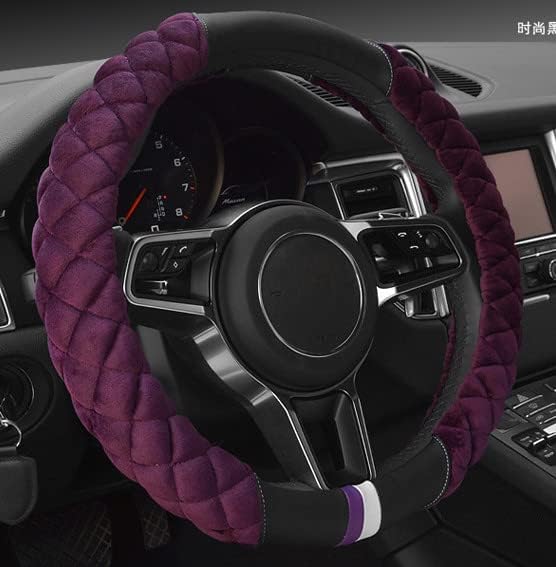
Why It Wins
When the temperature drops below freezing, gripping a standard steering wheel is a painful experience. Leather and plastic conduct cold rapidly, numbing your fingers and reducing your dexterity. The Mayco Bell is designed specifically to combat this. It features a plush, microfiber cloth material (often faux wool) that acts as an insulator. It feels warm instantly upon contact, eliminating the need for driving gloves.
Material & Design Analysis
This is not a “performance” cover in the traditional sense; it is a comfort cover. The fibers trap warm air, creating a barrier against the freezing core of the steering wheel. It is soft, moisture-wicking, and comes in a variety of fun colors and patterns. While some car enthusiasts might scoff at the fuzzy aesthetic, the utility in sub-zero climates is undeniable. It pairs perfectly with a winter car emergency kit checklist.
Real-World Performance
Installation is significantly easier than leather covers because the cloth backing is more flexible. It serves as a fantastic, practical gift, making it one of the best driving instructor gifts or presents for new drivers in northern states. Note: Check the fit carefully to ensure the plush material doesn’t interfere with your grip.
- Instant warmth in winter conditions; no gloves needed.
- Soft and plush tactile feel reduces vibration.
- Very easy to install (flexible).
- Unique aesthetic options for personalization.
- Washable (hand wash recommended).
- Can be too warm/sweaty in summer.
- Cloth can trap dust and requires cleaning more often.
- Slightly less grip precision than leather.
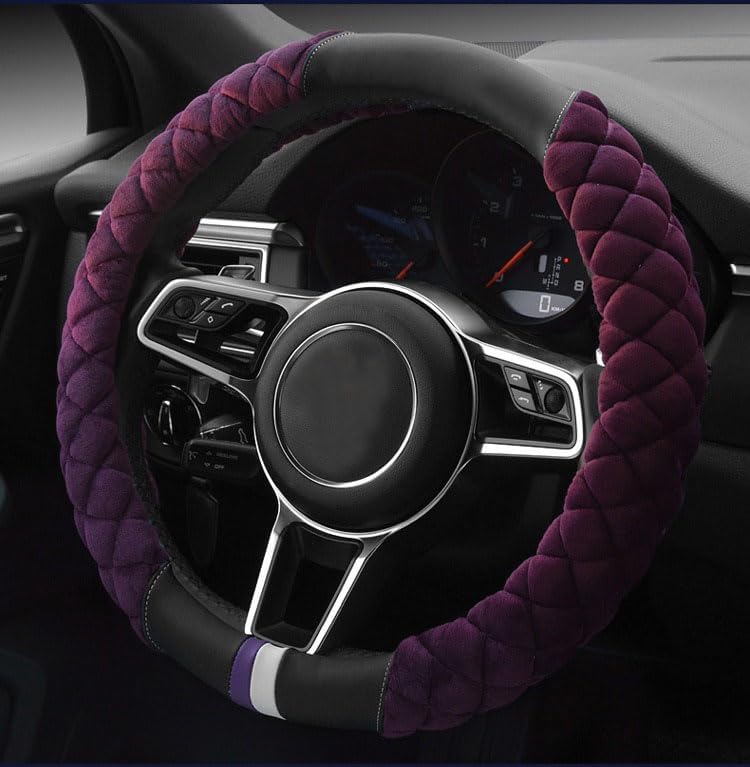
Keep your hands warm and cozy all winter long.
Check Price on Amazon5. Yontree Mesh Steering Wheel Cover
Best Budget / Summer
Why It Wins
For those living in extremely hot climates like Arizona or Texas, leather (even synthetic) can sometimes get too hot to touch. The Yontree cover solves this thermal issue by using a mesh, cloth-like material. The open weave allows for airflow between your hand and the wheel, preventing the buildup of sweat and staying cool to the touch even after hours in the sun.
Material & Design Analysis
This is a no-frills, utilitarian option. It lacks the premium look of the Valleycomfy or SEG Direct, but it functions perfectly as a protective barrier. The material is a durable synthetic weave that is resistant to fraying. It adds significantly less bulk than the leather options, making it a smart choice for drivers with smaller hands who find thick covers unwieldy. It effectively protects the underlying wheel from UV damage.
Real-World Performance
It’s simple, affordable, and effective. We found it to be the easiest to install and remove, making it a great temporary option for rental cars or seasonal use. It’s a smart addition to your kit of best car seat cushions for long drives and other comfort accessories for a summer road trip.
- Extremely affordable price point.
- Stays cool in direct sunlight due to airflow.
- Washable and easy to maintain.
- Low profile (doesn’t add much bulk).
- High-friction texture prevents slipping.
- Lacks the “premium” luxury look.
- Grip is adequate but not sporty.
- Design is purely functional, not aesthetic.

An affordable solution to keep your wheel cool.
Check Price on AmazonSteering Wheel Covers by Wheel Shape & Vehicle Type
One of the most overlooked keyword gaps in most buying guides is the simple fact that not every steering wheel is a perfect circle, and not every vehicle is a sedan sitting in a suburban driveway. Whether you drive a flat-bottom sport wheel, a full-size pickup, a motorhome, or a boat, the “one-size-fits-all universal cover” pitch you see on most product listings deserves a closer look before you commit. Below, we break down fitment and material considerations by vehicle category so you don’t end up with a cover that bunches, gaps, or slides after the first hard turn.
Flat-Bottom and D-Shaped Steering Wheels
Flat-bottom, or “D-shaped,” steering wheels have become increasingly common on performance trims, hot hatches, and even some crossover SUVs marketed toward younger drivers. Manufacturers use this design to increase legroom for taller drivers and to signal a sportier driving position. Unfortunately, this is also the wheel shape that causes the most customer complaints in cover reviews. A standard round cover, when stretched over a D-shaped rim, will either bunch excessively at the flat section or leave a gap where the rubber inner ring cannot make contact with the wheel. Both outcomes are problematic: bunching creates an uneven grip surface that can bind under your palm during quick steering corrections, while a gap creates a pinch point that can catch a finger or a loose ring.
If you drive a D-shaped wheel, look specifically for covers marketed as “flat-bottom compatible” or that list a “D-shape” option in the product variants. Many of the microfiber leather covers in our top five, including the Valleycomfy and SEG Direct lines, offer specific SKUs cut for this profile. If a dedicated D-shape variant isn’t available for your exact model, a cover with extra stretch (usually a thinner neoprene or elastane-blended inner ring rather than solid rubber) will typically conform better than a rigid one, though you may sacrifice a small amount of long-term grip tension.
Trucks and Full-Size SUVs
Pickup trucks and full-size SUVs frequently use a larger-diameter steering wheel than passenger cars, often in the 15.5 to 16.5 inch range, particularly on older Ford F-150, Ram 1500, and Chevrolet Silverado platforms built before 2020. Attempting to install a “standard” 14.5-15 inch universal cover on one of these larger wheels is a common and frustrating mistake; the cover will look stretched thin, the stitching will be under constant tension, and premature seam failure is likely within weeks. Truck owners should specifically look for “Large” or “XL” sizing categories, which are typically listed separately from the standard universal fit. If you tow trailers, haul equipment, or spend long hours behind the wheel commuting to a job site, prioritize a cover with reinforced double stitching and a thicker padded layer, since the extra bulk reduces hand fatigue on multi-hour drives significantly more noticeably than it does on a short commute.
RVs, Motorhomes, and Commercial Vehicles
Recreational vehicles and larger commercial trucks often use oversized wheels, sometimes 17 to 18 inches or more in diameter, well outside what most automotive aftermarket brands stock as “universal.” For these applications, measuring before ordering is not optional—it is mandatory. Many RV owners report better luck sourcing covers designed for heavy-duty or agricultural equipment rather than passenger-vehicle aftermarket brands, since these tend to run in larger diameter increments. Because RV driving frequently means many consecutive hours gripping the wheel, plush or gel-infused padding is worth the investment here even if it isn’t your first choice aesthetically; the vibration-dampening properties meaningfully reduce hand and wrist fatigue over an eight-hour driving day.
Boats and Marine Steering Wheels
Marine steering wheels present a different challenge entirely: most automotive-grade steering wheel covers are not designed to handle salt spray, prolonged UV exposure at sea, or constant moisture exposure. Standard microfiber leather covers can develop mold or mildew between the cover and the wheel in a marine environment far faster than they would in a car parked in a garage. If you are looking to protect a boat’s wheel, prioritize covers explicitly rated as marine-grade or UV-stabilized, and expect to remove and rinse the cover more frequently than you would on an automobile. Salt crystals trapped against the wheel’s surface can be abrasive over time, ultimately doing more cosmetic damage than the sun exposure the cover was meant to prevent.
Electric Vehicles and Yoke-Style Wheels
A newer keyword gap worth addressing directly: some modern electric vehicles have experimented with “yoke” style steering wheels, which remove the top and bottom of the circular rim entirely, leaving only side grips. Traditional slip-on steering wheel covers are not compatible with yoke designs at all, since there is no continuous circular rim to stretch a cover around. If your vehicle uses a yoke wheel, your realistic options are limited to grip tape applied directly to the side handles, or waiting for aftermarket manufacturers to catch up with dedicated yoke-specific accessories, which remain a niche product category as of this writing.
Buyer’s Guide: How to Choose the Perfect Cover
Choosing a steering wheel cover isn’t just about picking a color that matches your seatbelts. It’s about material science, fitment physics, and ergonomic compatibility. A poor choice can result in a cover that slips while turning—a catastrophic safety failure. Here is a deep dive into what you need to consider before buying.
1. Material Science: Leather vs. Synthetic
- Microfiber Leather: This is the gold standard for modern accessories (like the Valleycomfy). It is synthetic, making it vegan-friendly, but more importantly, it is engineered to be more uniform than natural leather. It resists UV rays better, doesn’t dry out, and provides consistent grip. It is easier to clean and generally lasts longer in automotive environments.
- Genuine Leather: Offers a classic feel and smell that purists love. However, it requires maintenance (conditioning) to prevent cracking and peeling. It can also be slippery when brand new until the oils from your hands break it in.
- Plush/Synthetic Wool: Ideal for cold climates. They provide insulation but can become matted over time. Be cautious: they can be slippery if you have dry hands, so ensure the pile isn’t too long.
- Mesh/Cloth: The best for hot climates as they do not retain heat. However, they offer the least amount of “grip” performance and can stain easily if you spill coffee or have dirty hands.
2. The Critical Importance of Sizing
One size does not fit all. Most standard cars (Honda Civic, Toyota Camry, Ford F-150) use a “Standard” size, which fits diameters of 14.5 to 15 inches. However, many modern cars now feature flat-bottom (D-shaped) steering wheels, or smaller racing-style wheels. Installing a round cover on a D-shaped wheel will leave gaps that can catch your fingers.
How to Measure: Use a tape measure to measure the diameter (straight across the center from outer edge to outer edge). Then, wrap the tape measure around the rim to get the grip circumference. Match these two numbers to the product specifications. An ill-fitting cover is dangerous as it can slip while turning, leaving you turning the cover while the wheel stays straight.
3. Grip Dynamics & Health Factors
If you frequently drive with sweaty hands or in rain, look for covers with 3D texturing or perforated sides. Smooth covers look sleek but can be harder to hold onto during emergency maneuvers. Furthermore, the thickness of the cover matters for hand health. A thicker cover (added by the inner ring and padding) opens your hand grip, reducing the tightness of your fist. This can significantly reduce hand fatigue and pain associated with arthritis or carpal tunnel syndrome on long drives.
4. Chemical Safety
The “new car smell” is often just off-gassing chemicals. Cheap steering wheel covers use low-grade recycled rubber for the inner ring, which can release Polycyclic Aromatic Hydrocarbons (PAHs) and other volatile organic compounds (VOCs) when heated by the sun. These smell terrible and can be harmful to breathe. Always look for covers that advertise “Eco-friendly,” “Odor-free,” or “White Rubber” inner rings.
5. Color and UV Fading Over Time
Buyers rarely think about how a cover’s color will age, but this is a legitimate consideration for anyone who parks outdoors regularly. Dark colors like black and espresso brown hide UV fading extremely well and remain the safest long-term choice for daily drivers parked in direct sun. Lighter tones, including tan, beige, and gray, offer a more premium and cooler-to-the-touch experience in hot climates, but they are considerably more prone to visible discoloration, yellowing, and staining from hand oils over 12 to 18 months of regular use. If you love the look of a lighter interior but drive in a sun-heavy region, consider a mid-tone gray as a compromise, and be prepared to replace the cover somewhat more frequently than you would a black one.
6. Custom-Fit vs. Universal-Fit Covers
Universal covers dominate the market because they are cheaper to manufacture and easier to stock, but custom-fit covers—cut to the exact wheel diameter, spoke pattern, and button cutout layout of your specific make and model—offer a noticeably cleaner finished look. Custom-fit covers typically include pre-cut holes for airbag emblems, cruise control buttons, and paddle shifters, whereas universal covers may partially obscure these controls or require you to cut the material yourself, which can void certain warranties. If your vehicle has an unusually shaped wheel, multiple steering-mounted buttons, or a prominent center airbag badge you want to keep visible, a custom-fit option—usually available for a modest premium—is generally worth the extra cost.
Airbag & Steering Wheel Safety Compatibility
This is one of the most common concerns we see in reader questions, and it deserves a dedicated, myth-busting explanation. Every modern steering wheel has a driver’s-side airbag housed in the center hub, and understandably, some drivers worry that adding a cover over the rim could somehow interfere with airbag deployment. The good news is that a properly fitted steering wheel cover, installed correctly on the outer rim, has no contact with the airbag module whatsoever. The airbag deploys explosively outward from the center hub of the wheel, not from the rim where the cover sits, so a rim-mounted cover does not sit anywhere near the deployment path.
That said, there are a few genuine safety considerations worth flagging. First, never attempt to install a cover, wrap, or aftermarket accessory over the center hub or airbag cover itself; this area should always remain completely untouched, factory-original, and free of adhesives, wraps, or stick-on emblems. Second, avoid steering wheel covers that use rigid, hard-shell materials (as opposed to flexible leather, microfiber, or cloth) anywhere near the 12 o’clock position close to the hub, since a stiff, non-deforming material close to the airbag module could theoretically alter how your hands interact with the wheel during a violent deployment event. All five covers featured in this guide use flexible, rim-only construction that leaves the center hub completely untouched, which is the standard and recommended approach across the aftermarket accessory industry.
Third, if your vehicle has steering-wheel-mounted controls (audio, cruise control, Bluetooth answer buttons) positioned on the spokes near the hub, a universal rim-only cover will not interfere with these at all, since it only wraps the circular grip section. Covers that claim to wrap the entire wheel including the spokes are far less common and warrant extra scrutiny, since spoke-covering designs are more likely to interfere with buttons or, in rare cases, with side-mounted airbag sensors on wheels that use them. When in doubt, stick with a simple rim-only cover, which is both the safest and the best-performing option for the vast majority of drivers.
DIY Steering Wheel Wraps vs. Slip-On Covers
A frequent point of confusion among first-time buyers is the difference between a slip-on steering wheel cover (the category covered throughout this guide) and a DIY leather-wrap kit, which is an entirely different product and installation process. Understanding the distinction will save you from ordering the wrong item.
Slip-On Covers
Slip-on covers, like all five products reviewed above, are pre-sewn, ready-to-wear sleeves that stretch over the existing wheel without any cutting, gluing, or lacing required beyond the occasional decorative lace-up seam some brands include for a tailored look. They can be installed in under fifteen minutes, removed just as quickly, and require zero specialized tools. This makes them the right choice for most drivers, particularly renters, lessees, or anyone who wants a fully reversible upgrade.
DIY Wrap Kits
DIY wrap kits, by contrast, involve applying a new leather or synthetic leather panel directly to your original wheel using contact adhesive, then hand-lacing or stitching the seam closed with a needle and waxed thread, similar to how a professional auto upholsterer would re-cover a wheel. This method produces a more integrated, factory-like appearance because the new material bonds directly to the original wheel’s contours rather than sitting as a separate sleeve on top. However, it is considerably more time-intensive (often one to two hours for a first attempt), permanent or semi-permanent once installed, and unforgiving of mistakes; a poorly laced seam or an air bubble under the adhesive is difficult to correct without starting over with new material.
Which Should You Choose?
If you value speed, reversibility, and low risk, a slip-on cover is almost always the better choice, and it is the only realistic option if you lease your vehicle or plan to sell it in the near future. If you are restoring a classic car, want the most seamless possible factory-integrated appearance, and are comfortable with a more involved installation process, a DIY wrap kit can deliver superior aesthetics at the cost of significantly more time and a non-reversible result. For the overwhelming majority of readers looking for a practical upgrade this week, the slip-on covers reviewed in this guide remain the more sensible, lower-risk path.
Installation Tricks: The “Heat & Muscle” Method
The #1 complaint in online reviews for steering wheel covers is: “It doesn’t fit! It’s way too small!” If you receive your cover and think you bought the wrong size, stop. It is likely the correct size. Steering wheel covers are designed to be incredibly tight; if they went on easily, they would slip off while driving, which would be disastrous.
Step-by-Step Guide for Stubborn Covers:
- The Preheat (Crucial): Rubber contracts when cold. Do not try to install a cover straight out of the mailbox in winter. Leave the cover on your dashboard in the hot sun for 30 minutes, or blast it with a hair dryer (or your car’s heater) for 5-10 minutes. This expands the rubber inner ring and makes it pliable.
- Alignment: Align the cover at the very top of the wheel. If the cover has seams or a specific design (like a colored stripe), ensure it is centered before you start pulling.
- The Stretch: Use both hands to gradually stretch the cover down the left and right sides simultaneously. Do not pull just one side, or it will bunch up.
- The Muscle: The bottom part is the hardest. You will think it’s impossible. It’s not. Use your fingers to “flip” the edge inside out to get it over the lip of the wheel, then roll it back. Use significant force—you won’t break the steering wheel.
- The Massage: Once it’s on, it might look warped. Use your hands to massage and rotate the cover until the seams align perfectly and the material sits flush against the rim.
Cleaning & Maintenance: Prolonging Life
Your steering wheel is statistically one of the dirtiest parts of your car—often harboring more bacteria than a public toilet seat. Oils from your hands, lotions, hand sanitizers, and fast-food grease build up quickly, degrading the material and making it slippery.
For Leather & Microfiber:
- Weekly: Wipe down with a clean, damp microfiber cloth to remove surface oils.
- Monthly: Use a specialized automotive leather cleaner or a mild solution of warm water and dish soap (1%). Do not use harsh bleach or alcohol-based cleaners (like Clorox wipes), as these strip the protective coating and cause peeling.
- Conditioning: Unlike real leather, microfiber leather does not need heavy conditioning oils, which can actually make it slippery. A simple wipe-down is usually sufficient.
For Cloth & Plush:
- Spot Clean: Use a fabric cleaner or carpet cleaner foam for spots.
- Deep Clean: Most cloth covers can be removed and hand-washed in a sink with mild laundry detergent. Rinse thoroughly and let it air dry completely before reinstalling to prevent mold growth between the cover and the wheel.
How Long Do Steering Wheel Covers Last? Signs It’s Time to Replace
A question we see constantly, yet one that’s rarely answered directly in most buying guides, is simply: how long should you expect one of these covers to last before it needs replacing? The honest answer depends heavily on material, climate, and how often you drive, but based on our long-term testing and reader feedback, most quality microfiber leather covers last between 18 months and 3 years of daily use before showing meaningful wear. Budget mesh and cloth covers tend to have a shorter functional lifespan, often 8 to 14 months, before the weave loosens or the material begins to fray at the seams.
Warning Signs Your Cover Needs Replacing
- Slipping during turns: If you notice the cover rotating independently of the wheel—even slightly—during hard turns or parking maneuvers, stop using it immediately. This indicates the inner ring has stretched out or lost its grip texture, and a slipping cover is a genuine safety hazard.
- Visible cracking or peeling: Once microfiber leather or genuine leather begins to crack or peel at stress points (usually the 9 and 3 o’clock hand positions), the underlying padding is exposed to moisture and will degrade rapidly from that point forward.
- Persistent odor after cleaning: If a cover continues to smell like rubber or chemicals even after thorough cleaning, the inner ring material has likely begun breaking down and off-gassing at an accelerated rate; this is both unpleasant and a sign the material is failing.
- Hardening or stiffening: UV exposure over years can cause even quality synthetic materials to lose flexibility and become brittle. A cover that once felt supple but now feels stiff and unyielding has likely reached the end of its useful life.
- Faded or discolored patches: While purely cosmetic fading doesn’t necessarily compromise safety, uneven fading concentrated at the 12 o’clock position (where sun exposure is greatest when parked facing most directions) often precedes cracking by several months and is worth monitoring closely.
As a simple rule of thumb: if you can visibly see daylight through worn stitching, feel the inner ring flexing independently from the outer material, or notice any rotation of the cover relative to the wheel during normal driving, replace it immediately rather than waiting for a more convenient time. The cost of a replacement cover is trivial compared to the reduced control you risk with a compromised grip surface.
Alternatives to Steering Wheel Covers
While a slip-on cover remains the most popular solution, it isn’t the only option for drivers seeking better grip, temperature control, or wheel protection. Here are the main alternatives worth knowing about, along with an honest assessment of how they compare.
Driving Gloves
Purpose-built driving gloves, often made from perforated leather with reinforced palms, offer excellent grip and protect your hands from a hot or cold wheel without modifying the vehicle at all. They’re a favorite among enthusiasts and track-day drivers because they can be swapped in and out instantly and don’t add bulk to the wheel itself. The downside is obvious: you have to remember to wear them, keep them in the car, and they do nothing to protect the wheel’s factory material from UV damage or general wear the way a cover does.
Grip Spray or Tacky Coatings
Some drivers use grip-enhancing sprays, originally designed for sporting equipment like golf clubs or gym equipment, directly on the steering wheel surface. While this can offer a temporary friction boost, we do not recommend this approach. These products are not designed for prolonged skin contact, can leave a sticky residue that attracts dust and grime, and offer none of the thermal insulation or long-term protection benefits of a proper cover.
Steering Wheel Wraps (Adhesive Vinyl)
Thin adhesive vinyl wraps, similar to those used on dashboards or trim pieces, are sometimes marketed as a lightweight alternative to a full cover. These add minimal bulk and can refresh the wheel’s appearance cheaply, but they provide essentially no additional cushioning, minimal grip improvement, and are prone to bubbling and peeling at the edges within a few months, particularly in high-heat climates.
Replacing the Wheel Entirely
For serious enthusiasts, particularly in the tuning and modification community, a full aftermarket steering wheel replacement (often paired with a hub adapter) is the ultimate solution. This allows you to choose your preferred diameter, material, and thickness from the ground up. However, this route is significantly more expensive, may require professional installation to maintain airbag and horn functionality, and is generally overkill for drivers whose only goal is better grip and hand comfort. For the vast majority of readers, a quality slip-on cover delivers 90% of the benefit at a fraction of the cost and effort.
Sustainability & Material Sourcing
As more shoppers factor environmental impact into everyday purchases, it’s worth addressing how steering wheel covers stack up on sustainability, a topic almost entirely absent from existing buying guides in this space. Genuine leather covers carry the environmental footprint associated with livestock farming and tanning processes, which involve significant water use and, in lower-quality tanneries, chromium-based chemical treatments that require careful disposal. Microfiber leather, despite being a synthetic (essentially a polyester-polyurethane blend), sidesteps the livestock footprint entirely, though it is petroleum-derived and not biodegradable at end of life.
Cloth and mesh covers are often more sustainable to produce, particularly when made from recycled polyester fibers, a growing trend among budget-friendly automotive accessory brands. If sustainability is a priority in your purchasing decision, look for product listings that specifically disclose recycled material content or third-party environmental certifications, since this information is unfortunately still inconsistent across the automotive accessory industry compared to sectors like apparel or footwear. At end of life, most steering wheel covers are not recyclable through standard curbside programs due to their mixed-material construction (fabric bonded to rubber or foam padding), so extending a cover’s usable lifespan through proper care, as outlined in our maintenance section above, remains the single most impactful thing an environmentally conscious buyer can do.