The Comprehensive Masterclass on Highway Driving Safety
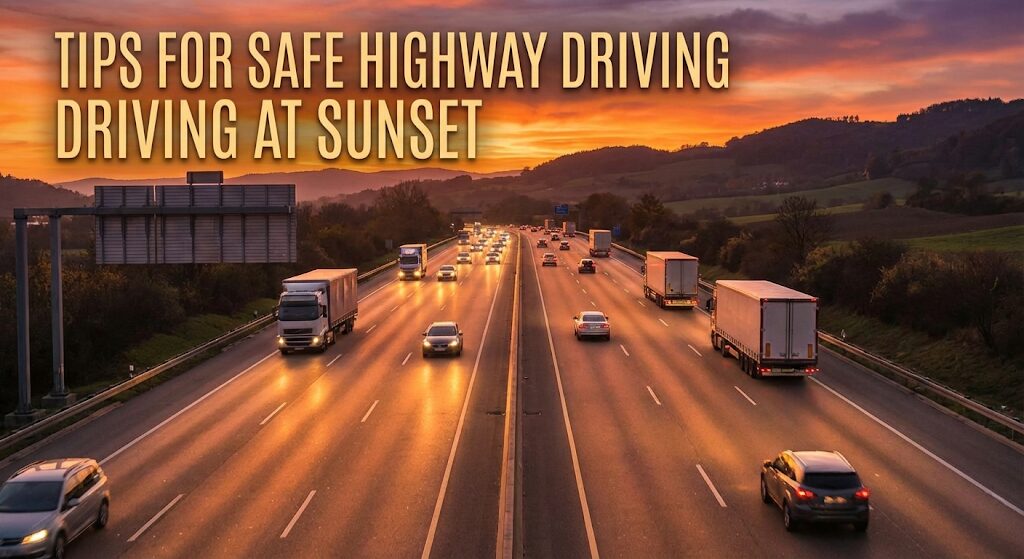
1. Introduction: The Modern Highway Landscape
Highways represent the arteries of modern travel. Whether you are commuting to a nearby city or embarking on a cross-country adventure, the highway offers speed and efficiency. However, traveling at 65 to 80 miles per hour inherently reduces your margin for error. A minor miscalculation or momentary lapse in attention can have immediate and severe consequences.
The driving landscape continues to evolve. We share the road with a mix of fully manual cars, semi-autonomous vehicles, distracted drivers, and heavy commercial trucks. Navigating this ecosystem requires more than just knowing how to operate a vehicle; it demands a proactive, defensive mindset. This comprehensive guide will walk you through the essential pillars of highway safety, ensuring that you arrive at your destination securely, every single time.

Recommended: Premium Highway Safety Kit
Equip your trunk with reflective triangles, jumper cables, and a first-aid kit. Essential for every highway commuter.
Check Price on Amazon2. Pre-Trip Vehicle Maintenance & Inspections
Highway safety begins long before your tires touch the on-ramp. Neglecting vehicle maintenance is a leading cause of highway breakdowns, which can leave you stranded in dangerous, high-traffic environments. A quick inspection can be the difference between a smooth ride and a terrifying blowout at 70 mph.
The 5-Point Highway Checklist
- Tire Health: Check your tire pressure (including the spare) against the manufacturer’s recommended PSI. Inspect the tread depth using the “penny test.” Bald tires severely compromise your ability to brake, especially on wet pavement.
- Fluid Levels: Ensure your engine oil, transmission fluid, brake fluid, and coolant are topped off. Running out of coolant in stop-and-go highway traffic can destroy your engine.
- Wipers and Washer Fluid: Highway speeds amplify the blinding effects of rain, snow, and bug splatter. Replace worn wiper blades every six months.
- Lights and Signals: Test your headlights, high beams, turn signals, and brake lights. Visibility is a two-way street; you need to see, and others need to see you.
- Emergency Preparedness: Never hit the interstate without a plan. You need to build a car safety kit that includes a tire inflator, jumper cables, flares, and basic first aid items.
Beyond the basics, it pays to keep a simple maintenance log in your glovebox or phone. Note the date of your last oil change, tire rotation, and brake inspection. Highway driving accelerates wear on certain components far faster than city driving does, because sustained high speeds generate more heat in the brakes, tires, and drivetrain. A car that feels perfectly fine on a five-mile commute can reveal hidden weaknesses the moment it is asked to hold 75 mph for three hours straight. Treat every long highway trip as an opportunity to stress-test your vehicle, and address any warning signs immediately rather than hoping they resolve themselves.
Pay particular attention to your battery and charging system before any extended highway trip. A battery that struggles in cold weather or shows corrosion on the terminals is far more likely to fail at a rest stop than in your driveway, simply because you are relying on it continuously for hours rather than in short bursts. Similarly, inspect belts and hoses for cracking or fraying; a snapped serpentine belt on the highway can instantly disable your power steering and alternator, turning a routine drive into an emergency pull-over.
3. The Fundamentals of Defensive Driving
Driving defensively means driving to save lives, time, and money, in spite of the conditions around you and the actions of others. On the highway, you are part of a synchronized flow of heavy machinery. Taking control of your personal “safety bubble” is paramount.
The 4-Second Rule
Forget the old “two-second rule.” At modern highway speeds, a four-second following distance is your minimum safety buffer. Pick a stationary object on the side of the road (like a sign or an overpass). When the car in front of you passes it, begin counting. If you pass the object before reaching “four,” you are following too closely. This distance gives you the necessary reaction time if the lead vehicle suddenly slams on their brakes.
Furthermore, actively cultivating defensive driving habits involves continuously scanning the horizon. Look 15 to 20 seconds ahead of your vehicle. Don’t just stare at the bumper in front of you; watch the brake lights of the cars three or four positions ahead. This allows you to anticipate traffic slowdowns before the driver directly in front of you even reacts.
Reading the Flow of Traffic
Defensive driving is as much about pattern recognition as it is about reaction time. Experienced highway drivers learn to read subtle cues long before a hazard becomes obvious: a cluster of brake lights rippling backward through traffic, a driver weaving slightly within their lane, or a truck’s trailer swaying in a crosswind. Each of these signals gives you a few extra seconds of warning, and on the highway, a few seconds is often the entire margin between a near-miss and a collision.
It also helps to constantly ask yourself the “what if” question. What if the car ahead brakes suddenly? What if the vehicle beside you drifts into your lane? What if debris appears in the road ahead? By mentally rehearsing an escape route at all times, whether that means the shoulder, an open lane, or simply braking smoothly, you remove the hesitation that so often turns a survivable situation into a serious crash.

Upgrade Your View: HD Blind Spot Mirrors
Maximize your highway visibility and make lane changes safer with borderless, adjustable blind spot mirrors.
View on Amazon4. Mastering Merging and Lane Changes
Improper merging and erratic lane changes are primary catalysts for highway collisions. The on-ramp is designed for a specific purpose: acceleration. By the time you reach the end of the merging lane, your vehicle should be traveling at the same speed as the flow of highway traffic.
Merging Protocol
- Accelerate decisively: Hesitation causes accidents. Use the acceleration lane to match speeds.
- Signal early: Let drivers on the highway know your intentions immediately.
- Find the gap: Check your mirrors and look over your shoulder. Do not expect highway traffic to brake for you; it is your responsibility to yield and slide into a safe gap.
The Art of the Lane Change
Before changing lanes, ask yourself if the move is strictly necessary. Weaving in and out of traffic to shave two minutes off your arrival time dramatically increases your risk profile. When you must change lanes, follow the SMOG rule: Signal, check your Mirrors, look Over your shoulder (to check your blind spot), and Go smoothly.
Multi-Lane Highway Positioning
On highways with four or more lanes, lane discipline becomes a science of its own. The leftmost lane should be reserved almost exclusively for passing, and lingering there while traveling at or below the speed of surrounding traffic creates unnecessary friction and encourages dangerous passing maneuvers on the right. The rightmost lane, meanwhile, absorbs a constant stream of merging vehicles, so drivers who camp there for long stretches expose themselves to repeated merge conflicts. For most steady-state highway travel, a middle lane offers the best balance of stability, sightlines, and escape options.
When a lane change is unavoidable in heavy traffic, resist the temptation to force your way in. Instead, match your speed to the gap you intend to enter, signal well in advance, and wait for a driver to visibly make room. Aggressive, sudden lane changes are one of the most common triggers for road rage incidents, and they rarely save meaningful time over the course of a full trip.
5. Speed Management and Weather Conditions
Speed limits are not mere suggestions; they are calculated maximums based on optimal road conditions, traffic density, and road curvature. Excessive speed decreases your reaction time and increases the severity of any impact.
| Weather Condition | Recommended Speed Adjustment | Key Safety Tactic |
|---|---|---|
| Heavy Rain | Reduce speed by 20-30% | Turn on headlights, avoid using cruise control, watch for hydroplaning. |
| Thick Fog | Reduce speed by 40-50% | Use low-beam headlights (never high-beams), use edge lines as guides. |
| Snow and Ice | Reduce speed by 50%+ | Increase following distance to 8-10 seconds, accelerate and brake extremely gently. |
| High Winds | Reduce speed by 10-15% | Keep both hands firmly on the wheel, steer clear of high-profile vehicles like RVs. |
When weather conditions deteriorate, the posted speed limit is no longer safe. Always adjust your speed to match visibility and road traction. If conditions become too severe, safely exit the highway and wait it out at a rest stop or commercial area.
Understanding Hydroplaning
Hydroplaning occurs when a layer of water builds up between your tires and the road surface faster than your tire treads can channel it away, causing your vehicle to essentially float and lose contact with the pavement. It is most likely to happen in the first ten minutes of a rainstorm, before oil and debris on the road have been washed away, and at speeds above 35 mph. If you feel your steering suddenly go light or your car begin to drift, ease off the accelerator gradually, avoid braking or turning sharply, and let the vehicle regain traction naturally before making any corrections.
Driving in Extreme Heat
Speed management is not only a cold-weather concern. On extremely hot days, prolonged highway speeds generate significant heat inside your tires, and underinflated or aging tires are far more prone to blowouts in these conditions. Asphalt itself can soften in extreme heat, subtly altering traction, particularly in the left lane where tar and rubber build up. Reducing speed slightly on the hottest days of the year and monitoring your tire pressure monitoring system closely can prevent a heat-related tire failure.
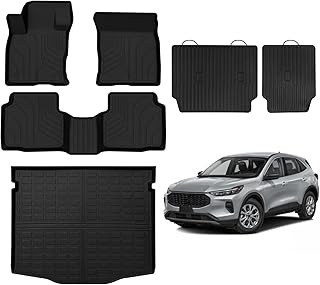
All-Weather Protection Floor Mats
Keep your vehicle’s interior pristine through rain, snow, and mud while maintaining safe pedal clearance.
Shop Now on Amazon6. Combating Driver Fatigue and Drowsiness
Highway hypnosis and driver fatigue are silent killers. The monotonous nature of interstate driving, combined with the hum of the engine and the blur of lane markers, can lull the brain into a dangerous trance. Driving after being awake for 18 hours produces an impairment equivalent to a blood alcohol concentration (BAC) of 0.05.
Warning Signs of Fatigue
- Yawning frequently or rubbing your eyes.
- Missing your intended highway exit.
- Drifting over the rumble strips or into neighboring lanes.
- Inability to remember driving the last few miles.
If you experience any of these symptoms, relying on caffeine or blasting the AC is a temporary, flawed solution. You must consult a drowsy driving checklist and pull over safely. Take a 20-minute power nap at a well-lit rest area. For long road trips, plan to stop every two hours or 100 miles to stretch your legs, hydrate, and reset your focus.
Building Fatigue Prevention Into Your Schedule
The most effective fatigue countermeasure is prevention rather than reaction. Get a full night’s sleep before any trip longer than three hours, and avoid scheduling long highway drives during your body’s natural circadian dips, typically mid-afternoon and the early hours of the morning. If you are sharing driving duties with a travel companion, agree on a rotation schedule before you leave rather than waiting until someone is visibly struggling. Splitting a long trip across two days, rather than pushing through in one exhausting stretch, is almost always the safer choice, even if it costs you a night at a hotel.
7. Eliminating Distractions on the Highway
In the digital age, cognitive and visual distractions are the leading threats on the highway. Taking your eyes off the road for just five seconds at 65 mph is the equivalent of driving the entire length of a football field completely blindfolded.
The Three Types of Distraction
- Visual: Taking your eyes off the road (e.g., looking at a GPS, turning to look at passengers).
- Manual: Taking your hands off the wheel (e.g., eating a burger, holding a smartphone).
- Cognitive: Taking your mind off the task of driving (e.g., deep in an emotional conversation, daydreaming).
Adopt a strict “Phone-Down, Key-In” policy. Before you shift out of park, ensure your GPS is set, your podcast or playlist is queued, and your phone is placed in a “Do Not Disturb” driving mode. If a child in the backseat drops a toy or a spill occurs, do not attempt to reach backward while navigating highway traffic. Pull over to the shoulder or take the next exit to address the issue.
Passenger-Assisted Focus
If you are traveling with others, put them to work as a buffer against distraction. A passenger can handle incoming calls, adjust the climate controls, or manage a navigation app so the driver’s hands never need to leave the wheel. Establishing this division of labor before you leave the driveway removes the temptation to multitask once traffic gets heavy.

Hands-Free Dashboard Phone Mount
Keep your GPS in your line of sight without taking your hands off the wheel. A must-have for safe navigation.
Get it on Amazon8. Navigating Around Large Commercial Trucks
Sharing the highway with 80,000-pound semi-trucks requires specialized knowledge. Trucks have massive blind spots (the “No-Zones”), require significantly longer distances to stop, and make wide right turns.
The No-Zones
A truck’s blind spots are located directly in front of the cab, directly behind the trailer, and along both sides (especially the right side). The golden rule: If you cannot see the truck driver’s face in their side mirror, they cannot see you. Never linger next to a semi-truck. When passing, do so quickly and efficiently on the left side, and do not merge back in front of the truck until you can see the entire front of the cab in your rearview mirror.
Avoid “cutting off” heavy trucks. Because of their immense weight, a semi-truck traveling at highway speeds needs the length of nearly two football fields to come to a complete stop.
Wind Buffeting and Spray
When passing a large truck, be prepared for a brief gust of turbulent air as you move alongside the trailer, followed by another gust as you clear the front of the cab. Grip the wheel firmly through this transition rather than over-correcting. In wet weather, trucks also throw up a significant spray that can momentarily blind you; if this happens, ease off the accelerator, turn on your wipers at full speed, and resist the urge to brake hard mid-spray.
9. Night Driving: Visibility and Glare
While traffic volume decreases at night, the fatality rate on highways triples. Diminished visibility, the blinding glare of oncoming headlights, and the increased presence of impaired or fatigued drivers make nighttime highway navigation treacherous.
To stay safe, dim your dashboard lights to reduce internal reflections and prevent eye strain. When an oncoming vehicle has glaring headlights, avoid looking directly at them; instead, cast your gaze toward the solid white line on the right edge of your lane to maintain your steering trajectory while preserving your night vision.
Ensure you review a comprehensive night driving safety checklist before sunset. Clean your windshield thoroughly—inside and out—as smudges scatter light and worsen glare. Use your high beams when driving on unlit, rural highways, but remember to dim them when you are within 500 feet of an oncoming vehicle or 300 feet behind another car.
Age-Related Vision Changes
Night vision naturally declines with age, and drivers over 50 may need significantly more light to see the same details clearly as a driver in their twenties. If you notice increasing difficulty judging distances or recovering from glare at night, schedule an eye exam and consider limiting long highway drives after dark. Anti-reflective coatings on prescription lenses can also meaningfully reduce halo effects around oncoming headlights.

Anti-Glare Night Driving Glasses
Reduce halogen and LED headlight glare instantly. Enhance contrast and depth perception during night drives.
Shop Amazon Deals10. Handling Unexpected Highway Emergencies
Even the most meticulously maintained vehicles can experience catastrophic failures. Knowing how to react calmly during a high-speed emergency can save your life.
Tire Blowouts
If a tire blows out at 70 mph, your instinct will be to slam on the brakes and yank the steering wheel. Do not do this. Slamming the brakes will cause the car to spin out of control. Instead, grip the steering wheel firmly with both hands to maintain your lane. Gradually release the accelerator, allowing the car’s drag to slow you down. Once your speed drops below 30 mph, gently tap the brakes and steer smoothly onto the shoulder.
Engine Overheating or Stalling
If you lose engine power, immediately activate your hazard lights. Use your remaining momentum to coast to the right shoulder. If you are stuck in the middle lanes and cannot safely cross traffic, stop, keep your seatbelt on, keep your hazards flashing, and call 911 immediately. Never stand outside your vehicle in the flow of active highway traffic.
Waiting for Help Safely
Once you are stopped on the shoulder, turn your wheels away from traffic if you are on an incline, and exit the vehicle only through the passenger-side door if it is safer to do so. Stand well behind the guardrail or barrier, never directly beside your vehicle, while you wait for roadside assistance. Placing reflective triangles or flares roughly 100 feet behind your vehicle gives approaching drivers extra warning time, particularly around curves or hillcrests where visibility is limited.
11. Safe Strategies for Passengers and Families
Highway safety is a team effort. The behavior of passengers heavily influences the driver’s ability to maintain focus. If you are embarking on a family road trip, establish ground rules before departing.
| Passenger Role | Safety Responsibilities |
|---|---|
| The Co-Pilot (Front Seat) | Manage the GPS, control the climate/music, unwrap snacks, and actively watch for upcoming exits to ease the driver’s cognitive load. |
| Children (Back Seat) | Remain securely buckled in age-appropriate car seats or boosters. Use headphones for tablets to keep cabin noise low. |
| Pets | Should never roam freely. Must be secured in a crash-tested crate or via a specialized pet seatbelt harness in the rear seat. |
A distracted driver is a dangerous driver, and a screaming toddler or a dog jumping into the front seat is an immense hazard. Secure all loose cargo in the cabin; in the event of hard braking, a loose water bottle or heavy bag can become a dangerous projectile.
Planning Entertainment and Comfort in Advance
Long highway stretches are far more manageable for families when entertainment is planned rather than improvised mid-drive. Preload tablets with downloaded shows before you leave home, since streaming over cellular data can drop out in rural areas with weak signal. Pack snacks in spill-resistant containers and keep a small trash bag within reach of the back seat so wrappers and crumbs do not become a mid-trip distraction for the driver.
12. Technological Advancements in Auto Safety
Modern vehicles are equipped with Advanced Driver Assistance Systems (ADAS) designed to mitigate human error. However, over-relying on these systems is a dangerous trap.
Key Highway Technologies
- Adaptive Cruise Control (ACC): Maintains a set distance from the car ahead. Excellent for mitigating fatigue, but drivers must remain alert to vehicles cutting in abruptly.
- Lane Keeping Assist (LKA): Gently steers the car back into the lane if drifting is detected. It is a backup, not an excuse to take your hands off the wheel.
- Automatic Emergency Braking (AEB): Detects impending collisions and applies the brakes. This is a last-resort safety net.
While technology makes highways safer, you are still the primary operator. Treat these features as invisible co-pilots that assist you, rather than chauffeurs that replace your judgment.
Blind Spot Monitoring and Rear Cross-Traffic Alert
Beyond cruise control and lane keeping, many vehicles now include blind spot monitoring, which lights up an icon in or near your side mirror when a vehicle occupies your blind spot, and rear cross-traffic alert, which is more useful in parking lots than on the highway but still worth understanding. These systems are excellent supplementary tools, but they rely on radar and cameras that can be fooled by heavy rain, snow buildup on sensors, or extremely close-following motorcycles. Always perform a physical shoulder check in addition to trusting the indicator light.

Dual 4K Dash Camera System
Protect yourself from liability. Record high-definition front and rear footage of your highway commute automatically.
View Best Sellers13. Understanding Interchanges, Ramps & Roundabouts
Highway interchanges are among the most complex environments a driver will encounter, combining multiple merge points, sudden lane splits, and abrupt speed changes within a very short distance. Cloverleaf interchanges, in particular, require vehicles to loop nearly 270 degrees to change direction, which can feel disorienting if you are unfamiliar with the layout. The key to navigating any interchange safely is preparation: know your exit number and lane at least a mile in advance, and never make a last-second cut across multiple lanes to catch an exit you almost missed. Missing an exit and taking the next one is always safer than a panicked lane change.
Left-Hand Exits and Lane Splits
Most highway exits are on the right, but a growing number of interchanges feature left-hand exits, especially in dense urban corridors. These require extra vigilance because drivers habitually watch the right shoulder for exit signage and may be caught off guard by a lane split forming on the left. Pay close attention to overhead signage, which typically flags left exits well in advance, and position yourself early rather than waiting until the split is directly ahead.
Highway-Adjacent Roundabouts
As traffic engineers increasingly replace traditional stoplight intersections near highway off-ramps with roundabouts, drivers exiting the highway need to adjust their expectations quickly. Roundabouts require yielding to traffic already circulating, entering at a reduced speed, and signaling your exit intention as you approach your desired exit point. Because these roundabouts often sit immediately at the base of a high-speed off-ramp, the sudden shift from highway speed to roundabout speed is a common source of driver error; ease off the accelerator well before the yield line rather than braking hard at the last second.
14. Navigating Highway Construction & Work Zones
Construction zones compress multiple hazards into a single stretch of road: narrowed lanes, shifted traffic patterns, close proximity to workers, and drivers unfamiliar with the temporary layout. Work zone crashes spike dramatically compared to normal highway segments, largely because drivers fail to reduce speed early enough or misjudge where a lane actually ends.
Reading Work Zone Signage
Orange diamond-shaped signs typically appear well before a work zone begins, giving you distance to merge safely rather than waiting for the last visible cone. When a lane closure is signed a mile or more in advance, use that distance to merge early and smoothly rather than racing to the point of closure and forcing your way in, a maneuver commonly known as “late merging” that frustrates other drivers and increases collision risk.
Double Fines and Worker Safety Zones
Many jurisdictions impose double fines for speeding or moving violations within an active work zone, and for good reason: highway workers are separated from fast-moving traffic by nothing more than a few plastic barrels or a temporary barrier. Slow down as soon as you see the first warning sign, keep both hands on the wheel through the narrowed section, and never attempt to pass another vehicle within a marked work zone, even if the lane appears technically wide enough.
Navigating at Night and in Reduced Visibility
Construction zones are particularly disorienting after dark, when temporary lane markings, shifted barriers, and reduced lighting can make the correct path difficult to discern. Reduce your speed further than you would during daylight hours, follow the temporary reflective markers rather than any faded original lane lines, and increase your following distance since sudden stops are common as unfamiliar drivers hesitate over the altered layout.
15. Toll Roads, Electronic Tolling & Express Lanes
Toll roads and express lanes have become a permanent fixture of highway travel in many regions, and mismanaging the transition into a tolling area is a surprisingly common source of last-second lane changes and rear-end collisions. Whether you use an electronic transponder or pay by license plate billing, plan your lane position well before you reach the toll plaza rather than deciding at the last moment.
Electronic Transponders vs. Pay-By-Plate
Electronic tolling transponders mounted on your windshield allow you to pass through dedicated lanes at highway speed without stopping, while pay-by-plate systems photograph your license plate and mail or email you an invoice, typically at a higher rate than transponder tolling. If you frequently travel toll roads, a transponder not only saves money but also reduces the need for sudden lane changes as you approach a plaza, since transponder lanes are usually positioned centrally and clearly marked well in advance.
Managed and Express Lanes
Many congested highway corridors now include managed express lanes separated from general traffic by a painted buffer or physical barrier, with dynamic pricing that rises during peak congestion. These lanes typically only permit entry and exit at specific marked breaks in the barrier, so drifting toward one expecting to merge freely can result in an illegal and dangerous lane violation. Study the entry and exit points on a map before your trip if you plan to use an express lane you are not already familiar with.
16. Sharing the Highway with Motorcyclists
Motorcycles are far smaller than passenger vehicles and can easily disappear into a car’s blind spot or blend into a cluttered background, a phenomenon often described as “looked but failed to see.” Because a motorcyclist has virtually no protective shell, even a minor misjudgment by a car driver can result in a catastrophic injury for the rider.
Extra Following Distance and Space
Give motorcyclists more following distance than you would a car, since a rider needs additional room to react to road debris, potholes, or sudden gusts of wind that barely affect a four-wheeled vehicle. Never attempt to share a lane side-by-side with a motorcycle, even if it looks like there is enough physical space; motorcyclists frequently reposition within their lane to improve visibility or avoid hazards, and they need that full lane width to do so safely.
Double-Checking Before Turns and Lane Changes
A motorcycle’s narrow profile makes it deceptively difficult to judge speed and distance at a glance. Before turning left across oncoming traffic or changing lanes, take an extra beat to specifically scan for motorcycles, which can be closer and moving faster than they initially appear. This single habit, deliberately looking twice for motorcycles, is one of the most effective ways an ordinary highway driver can reduce the risk of a serious rider injury.
17. Avoiding Wildlife Collisions on Rural Highways
Rural and semi-rural highways that cut through wooded or agricultural areas carry a significant risk of animal strikes, particularly involving deer, which are most active at dawn and dusk during migration and mating seasons. A collision with a large animal at highway speed can total a vehicle and cause serious injury, especially if a driver swerves sharply and loses control or drifts into oncoming traffic.
Reading Wildlife Crossing Signs
Yellow diamond-shaped wildlife crossing signs are placed at documented high-frequency crossing points, not at random, so treat them as a genuine warning rather than background scenery. Slow down through these zones, particularly in low light, and scan the road shoulders and tree lines rather than fixating only on the lane ahead of you.
What to Do If an Animal Appears
If an animal steps into the road unexpectedly, brake firmly in a straight line rather than swerving. Swerving to avoid a deer is one of the leading causes of highway single-vehicle crashes, since it can send your car into a rollover, a collision with a guardrail, or a head-on crash with oncoming traffic. It is almost always safer to strike a small-to-medium animal while braking in your own lane than to swerve unpredictably at highway speed.
Herd Behavior
Deer and similar animals frequently travel in groups. If one animal crosses safely in front of you, do not assume the road is clear; slow down and expect one or two more to follow closely behind, often from the same tree line just seconds later.
18. Electric & Hybrid Vehicle Highway Considerations
Electric and hybrid vehicles bring a distinct set of highway considerations that differ from traditional gasoline-powered cars, particularly around range management and charging logistics. Highway speeds consume battery charge significantly faster than city or suburban driving, since aerodynamic drag increases sharply above 60 mph and regenerative braking, which recovers energy in stop-and-go traffic, has little opportunity to engage on a steady highway cruise.
Range Planning and Charging Stops
Before any long highway trip in an electric vehicle, map your charging stops in advance using your vehicle’s built-in navigation or a dedicated charging app, and build in a buffer beyond the manufacturer’s stated range estimate, since cold weather, high speeds, and cabin climate control can all reduce real-world range noticeably. Treat any estimated range below 20 percent as a hard trigger to begin looking for the next charging opportunity rather than pushing toward a farther, more convenient station.
Silent Operation and Pedestrian Awareness
Both electric and hybrid vehicles operate near-silently at low speeds, which is a genuine safety consideration around highway rest stops, toll booths, and service plazas where pedestrians may not hear your vehicle approaching the way they would a traditional engine. Be especially cautious pulling into and out of parking areas at charging stations and service plazas, and rely on mirrors and cameras rather than assuming pedestrians will hear you coming.
19. Long-Distance Road Trip Planning & Route Preparation
A safe highway trip starts well before you turn the key. Thoughtful route planning reduces the number of high-risk decisions you have to make in real time, from last-minute lane changes to rushed exits.
Mapping Fuel, Food, and Rest Stops
Before departing, identify fuel stops, meal breaks, and rest areas along your route, particularly on stretches known for long gaps between services. Running low on fuel in an unfamiliar area at night forces rushed decisions, including exiting at unfamiliar off-ramps that may lead to poorly lit or unsafe areas. A little upfront planning removes this pressure entirely.
Checking Road Conditions and Closures
Highway conditions can change rapidly due to weather, construction, or incidents. Check a live traffic and road conditions app immediately before departure and again during any extended rest stop, since a route that was clear when you left home may develop a significant backup or closure hours into your trip. Building in flexibility, such as knowing an alternate route around a major city, prevents you from being trapped in a long, fatiguing standstill.
Sharing Your Itinerary
For longer trips, especially through remote areas with limited cell coverage, share your planned route and estimated arrival time with a friend or family member. This simple step ensures that if you experience a serious breakdown or emergency in an area without signal, someone knows roughly where to direct help.
20. Highway Driving Tips for New and Teen Drivers
The transition from surface streets to highway driving is one of the most intimidating milestones for a new driver, and it deserves deliberate, supervised practice rather than a first attempt during a stressful commute.
Building Confidence Gradually
New drivers should begin highway practice during low-traffic periods, such as mid-morning on a weekend, rather than during rush hour. Start with short highway segments between familiar exits before attempting longer stretches, and practice specific skills in isolation, such as merging, maintaining consistent speed, and reading exit signage, rather than trying to master everything on a single drive.
Common New-Driver Mistakes
- Merging too slowly: Entering highway traffic well below the flow of speed forces other drivers to brake unexpectedly.
- Riding the brakes in the left lane: New drivers often camp in the passing lane out of caution, creating a rolling roadblock.
- Target fixation: Staring at a hazard, such as a guardrail, often causes a driver to unconsciously steer toward it rather than away.
- Underestimating stopping distance: New drivers frequently follow too closely because they underestimate how much longer it takes to stop at highway speed compared to city streets.
Parents and driving instructors should specifically coach new drivers on the four-second following rule and the SMOG lane-change method described earlier in this guide, since these two habits alone prevent a large share of new-driver highway incidents.
21. Insurance, Liability & Post-Accident Steps
Even the most careful highway driver cannot fully control the actions of others, which is why understanding your insurance coverage and knowing the correct steps after a collision matters as much as defensive driving itself.
Understanding Your Coverage Before You Need It
Review your policy’s liability limits, uninsured and underinsured motorist coverage, and roadside assistance provisions before a long highway trip, not after an incident occurs. Highway collisions frequently involve higher speeds and more severe damage than typical fender-benders, so confirming that your coverage limits are adequate, rather than simply the state-mandated minimum, is worth a few minutes of your time.
Immediate Steps After a Highway Collision
- Move to safety if possible: If the vehicles are drivable and it is safe to do so, move to the shoulder or nearest exit rather than remaining in an active lane.
- Activate hazard lights and set warning devices: Reflective triangles or flares placed well behind the vehicles alert approaching traffic.
- Check for injuries and call for help: Contact emergency services immediately if anyone is injured, and request police response even for minor collisions on a highway, since an official report simplifies the insurance process significantly.
- Document the scene: Photograph vehicle positions, damage, license plates, and any relevant road signage or skid marks before vehicles are moved further, if it is safe to do so.
- Exchange information calmly: Collect the other driver’s insurance details, contact information, and license plate number without engaging in an argument about fault at the scene.
Working with Your Insurer
Report the incident to your insurer promptly and provide factual, objective details rather than speculating about fault. Keep a written timeline of events while your memory is fresh, and retain any repair estimates, medical documentation, or correspondence related to the incident in a single organized folder.
22. Beyond Winter: Seasonal Highway Driving Hazards
While snow and ice dominate most seasonal driving advice, every season brings its own distinct set of highway hazards that deserve equal attention.
Spring: Potholes and Sudden Storms
Freeze-thaw cycles through late winter and early spring leave highways riddled with fresh potholes, some large enough to cause a blowout or bent rim if struck at speed. Keep extra following distance in early spring so you have time to see and steer around potholes safely rather than swerving abruptly. Spring is also prime season for sudden, fast-moving thunderstorms; a clear sky can turn into a downpour with limited visibility within minutes, so keep an eye on darkening skies ahead and be ready to reduce speed quickly.
Summer: Heat, Tire Stress, and Increased Traffic Volume
Summer brings a sharp rise in highway traffic volume from vacation travel, along with the tire and cooling-system stress discussed earlier in this guide. Sun glare during early morning and early evening commutes can be just as blinding as nighttime headlight glare, so keep sunglasses within reach and use your visor proactively rather than waiting until you are already squinting.
Fall: Wet Leaves, Shorter Days, and Harvest Traffic
Wet fallen leaves create a surface nearly as slick as ice, particularly on curves and bridge decks shaded by overhanging trees. Shorter daylight hours also mean more of your commute shifts into dusk and darkness, so revisit your headlight and windshield maintenance as the season changes. In agricultural regions, fall harvest season brings slow-moving farm equipment onto rural highway shoulders and, occasionally, directly into travel lanes, so stay alert for wide, slow vehicles marked with a triangular slow-moving-vehicle emblem.
23. HOV and Carpool Lane Rules & Etiquette
High-occupancy vehicle (HOV) lanes are designed to reward carpooling and reduce overall highway congestion, but misuse or misunderstanding of the rules is a common source of both traffic tickets and unsafe lane-change behavior.
Understanding Occupancy Requirements
Occupancy requirements vary by region and even by specific highway segment, with some lanes requiring two occupants and others requiring three, so check local signage carefully rather than assuming a rule from your last trip still applies. Many HOV lanes also permit motorcycles, certain low-emission vehicles, and public transit buses regardless of occupancy, so familiarize yourself with your specific vehicle’s eligibility before relying on the lane.
Entry, Exit, and Buffer Zones
Many HOV lanes are separated from general traffic by a double solid line or a painted buffer zone that legally prohibits crossing except at designated dashed-line entry and exit points. Crossing a solid HOV buffer is both a traffic violation and a genuine safety hazard, since other drivers do not expect a vehicle to cross there. Plan your entry and exit at the marked break points well in advance, the same way you would plan a standard lane change.
24. Rest Stop and Service Area Safety
Rest stops and service plazas are essential for combating fatigue on long trips, but they carry their own safety considerations that are easy to overlook when you are focused purely on the drive itself.
Choosing Safe Stopping Points
Favor well-lit, busy service plazas over isolated rest areas, particularly late at night, and park in visible, well-traveled sections of the lot rather than tucked away in a dark corner. Lock your doors immediately upon parking, and keep valuables out of sight in the trunk rather than visible on the seats.
Re-Entering the Highway Safely
After a rest stop, take a moment to fully wake up, stretch, and reorient before pulling back onto the highway, since drivers frequently misjudge the speed of oncoming traffic in the acceleration lane immediately after a break. Treat the re-entry ramp with the same discipline described earlier in this guide’s merging protocol: accelerate decisively, signal early, and find a safe gap rather than hesitating.
Pet and Child Safety at Stops
Never leave children or pets unattended in a parked vehicle at a rest stop, even briefly, as interior temperatures can climb to dangerous levels within minutes on a warm day. When walking pets at a rest area, use a secure leash and stay well clear of active traffic lanes and drive-through areas.
Frequently Asked Questions (FAQs)
Review these commonly asked questions to reinforce your highway safety knowledge.
1. What is the safest lane to drive in on a multi-lane highway?
The middle lane or the right-most lane (if there are only two) is generally the safest. The far-left lane is strictly for passing, and the far-right lane deals with merging traffic from on-ramps. The middle lane offers a smooth flow with the most escape routes.
2. What should I do if a driver is tailgating me aggressively?
Never brake-check a tailgater. Maintain your speed, signal, and safely change lanes to the right to let them pass. If you are in a single lane, ease off the accelerator slightly to increase the gap in front of you, giving yourself more room to brake smoothly if needed.
3. Is cruise control safe to use in the rain?
No. Using cruise control on wet roads significantly increases the risk of hydroplaning. If your tires lose traction, the cruise control system may attempt to accelerate to maintain speed, causing your vehicle to spin out of control.
4. How long can I safely drive in one day?
Safety experts recommend driving no more than 8 to 10 hours in a single day, taking at least a 15-minute break every two hours or 100 miles to prevent severe driver fatigue.
5. What is the “Move Over” law?
The Move Over law requires drivers to move over one lane (or slow down significantly if moving over is not possible) when approaching stationary emergency vehicles, tow trucks, or utility vehicles with flashing lights on the shoulder.
6. Should I use hazard lights when driving slowly in heavy rain?
In most jurisdictions, no. Hazard lights disable your turn signals, making your lane changes unpredictable. They should be reserved for when your vehicle is completely stopped or disabled on the shoulder.
7. How do I escape an aggressive driver (road rage)?
Do not make eye contact, do not retaliate with gestures, and do not pull over to confront them. Lock your doors, continue driving to a public, well-lit area (like a police station or busy gas station), and call 911 if they continue to follow you.
8. Why is tire tread depth so important for highway driving?
Tire tread acts as channels to push water out from under the tire. Without adequate tread (less than 2/32 of an inch), water lifts the tire off the pavement (hydroplaning), resulting in a complete loss of steering and braking control.
9. What is the best way to hold the steering wheel at highway speeds?
The traditional “10 and 2” position is outdated due to airbag deployment risks. The National Highway Traffic Safety Administration (NHTSA) recommends holding the wheel at the “9 and 3” o’clock positions for optimal leverage and safety.
10. How do blind spots differ between cars and SUVs?
Larger vehicles like SUVs and trucks have higher ground clearance and thicker pillars, creating larger, longer blind spots extending further down the side and rear of the vehicle compared to lower-riding sedans.
11. How should I react if I see a deer or other animal on the highway?
Brake firmly in a straight line rather than swerving. Swerving at highway speed to avoid an animal is a leading cause of rollovers and head-on collisions, and it is usually safer to strike a small-to-medium animal while braking than to lose control of the vehicle.
12. What is the correct way to merge in a highway construction zone?
Merge early once you see the advance warning signs for a lane closure, rather than driving to the point of closure and forcing your way in. Early, smooth merging reduces sudden braking and keeps traffic flowing more safely through the work zone.
13. Do electric vehicles need different highway driving habits than gas cars?
The main difference is range planning. Highway speeds drain an EV’s battery faster than city driving, so plan charging stops in advance and treat roughly 20 percent remaining range as a signal to begin looking for the next charging opportunity.
Take Control of Your Highway Safety Today
Highway driving doesn’t have to be an anxiety-inducing experience. By maintaining your vehicle, staying fiercely focused, respecting speed and weather dynamics, and utilizing defensive driving techniques, you can drastically minimize your collision risks. Remember, arriving five minutes later is vastly superior to never arriving at all. Take the pledge to be a safer driver today, implement these critical steps, and safeguard your journey.
Download Our Free Road Trip Essentials Checklist