The Ultimate Guide to the 5 Best Pressure Washing Machines in 2026
1. The Transformative Power of Pressure Washing
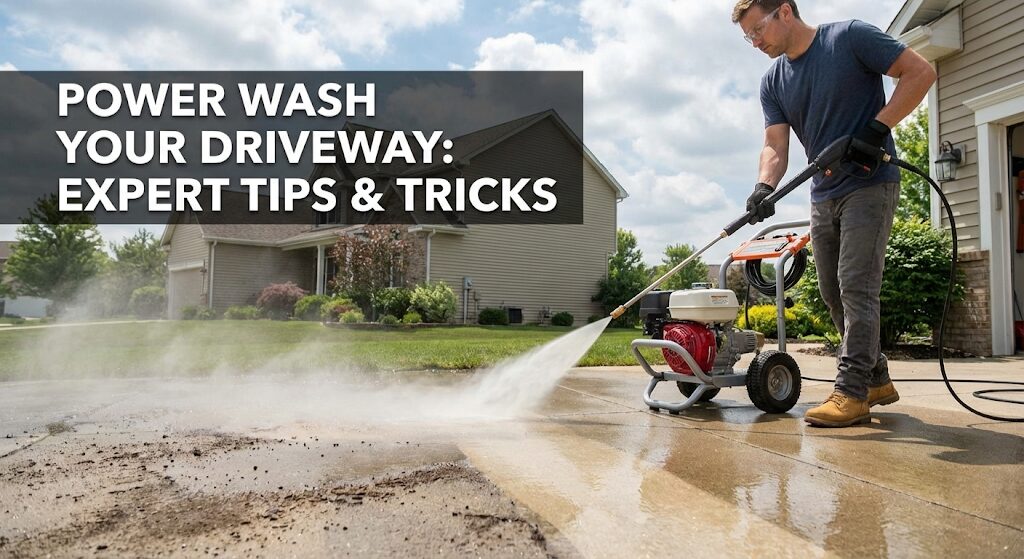
There is arguably no home maintenance task more immediately satisfying than pressure washing. The ability to blast away years of baked-on grime, mold, mildew, and dirt in a matter of seconds feels less like a chore and more like a superpower. Whether you are reviving a weathered wooden deck, prepping siding for a fresh coat of paint, or making your driveway look freshly poured, a high-quality pressure washing machine is an invaluable investment.
However, the market is currently flooded with hundreds of models, ranging from cheap, underpowered plastic toys to massive, commercial-grade behemoths that can carve their names into solid concrete. Finding the “sweet spot”—a machine that offers reliable power, durability, and value without being overkill—can be incredibly daunting for the average homeowner.
In this comprehensive masterclass, we will cut through the marketing noise. We’ll explore the technical metrics that actually matter, pit the leading gas and electric models against each other, and present an in-depth review of the 5 best pressure washing machines available today.
2. Understanding PSI, GPM, and Cleaning Units (CU)
Before you even look at a brand name, you must understand the language of pressure washers. Manufacturers love to slap massive numbers on their boxes, but what do they actually mean? The cleaning capability of a machine boils down to three core metrics:
- PSI (Pounds per Square Inch): This measures the raw “stripping” pressure of the water. High PSI is what breaks the bond between the dirt and the surface. For example, washing a car requires about 1,500 PSI, while stripping old paint off concrete requires 3,000+ PSI.
- GPM (Gallons per Minute): This measures the water flow volume. While PSI breaks the dirt loose, GPM is what physically washes it away. A high GPM drastically reduces the time it takes to clean a large area.
- CU (Cleaning Units): This is the true metric of a machine’s power, calculated by multiplying PSI by GPM (PSI x GPM = CU). A machine with 3,000 PSI and 2.0 GPM has 6,000 Cleaning Units. This allows you to accurately compare a high-PSI/low-GPM electric washer against a moderate-PSI/high-GPM gas washer.

Upgrade Your Cleaning Arsenal
Maximize your machine’s potential with heavy-duty surface cleaners, foam cannons, and turbo nozzles for faster, streak-free cleaning.
Shop Accessories on Amazon3. Gas vs. Electric: The Great Debate
The first major decision you will face is choosing your power source. Both gas and electric pressure washers have distinct advantages and drawbacks tailored to different types of users.
| Feature | Electric Pressure Washers | Gas Pressure Washers |
|---|---|---|
| Power (PSI/GPM) | Low to Medium (1,500 – 2,500 PSI) | Medium to High (2,800 – 4,000+ PSI) |
| Maintenance | Virtually none (plug and play) | High (oil changes, spark plugs, winterizing) |
| Portability | Limited by the length of the extension cord | Unlimited (can be used anywhere outdoors) |
| Noise Level | Quiet (motor stops when trigger is released) | Very loud (engine runs continuously) |
If you plan to clean your cars, patio furniture, and small decks on the weekends, an electric model is perfect. If you have a massive two-story house, a long concrete driveway, or intend to strip paint, you absolutely need the raw, untethered power of a gas machine.
4. Best Overall: Simpson Cleaning MegaShot MS60763-S
Taking the crown for the best all-around pressure washer is the Simpson Cleaning MegaShot. This gas-powered beast sits perfectly in the goldilocks zone: it offers enough commercial-grade power for serious heavy-duty tasks, yet remains compact and affordable enough for residential homeowners.
Powered by a remarkably reliable Honda GC190 premium residential engine, the MegaShot delivers a blistering 3,100 PSI at 2.4 GPM (7,440 Cleaning Units). This is enough sheer force to strip peeling paint from a deck or eradicate decades of black algae from a concrete driveway in a single afternoon.
✓ Pros
- Legendary Honda GC190 engine reliability.
- OEM Technologies axial cam pump provides excellent durability.
- Heavy-duty welded steel frame and 10-inch premium pneumatic tires.
- Includes a 25-foot kink-resistant MorFlex hose.
✗ Cons
- Too powerful for fragile surfaces (can damage car paint if the wrong nozzle is used).
- Requires standard gas engine maintenance (oil, fuel stabilizer).

Simpson MegaShot Gas Pressure Washer
Experience the raw power of a Honda engine. 3,100 PSI of concrete-cleaning, siding-stripping force. The ultimate tool for serious homeowners.
Check Price on Amazon5. Best Electric Premium: Sun Joe SPX3000
If the thought of mixing fuel stabilizers and changing oil fills you with dread, the Sun Joe SPX3000 is your electric savior. It is consistently the best-selling electric pressure washer on the market, and for good reason. It offers an incredible balance of power, versatility, and ease of use.
Generating up to 2,030 PSI and 1.76 GPM from its 14.5-amp motor, the SPX3000 is robust enough to handle dirty siding, muddy ATVs, and greasy garage floors. Before reviewing your tire storage location checklist for the basement, garage, or shed, this machine is perfect for blasting away years of grime from the concrete floors to prepare a clean storage area.
A standout feature is its dual detergent tank system. You can load one tank with car wash soap and the other with heavy-duty degreaser, switching between them with a simple dial turn.
6. Best Heavy Duty: Westinghouse WPX3200
For those who look at tough stains and see a personal challenge, the Westinghouse WPX3200 answers the call. This is a heavy-duty, no-nonsense gas pressure washer designed for large properties, rural estates, and massive cleaning jobs.
Pushing 3,200 PSI and 2.5 GPM (8,000 Cleaning Units), it utilizes a 212cc 4-stroke Westinghouse OHV engine. The build quality is exceptional, featuring an abrasion-resistant super-flex hose and a robust steel frame. It also features an onboard half-gallon soap tank, making it incredibly easy to apply detergents to large swaths of siding or fencing before blasting them clean. Despite its massive power, it is surprisingly easy to start, often turning over on the first pull.

Sun Joe SPX3000 Electric Washer
Plug in and wash away the grime. Features dual detergent tanks and 2,030 PSI of electric cleaning power. No gas, no oil, no fumes.
View on Amazon7. Best Budget Electric: Greenworks 2000 PSI
Not everyone needs to strip decades of paint off a barn. If your primary goal is washing the car on Sundays, cleaning off the patio furniture, and occasionally blasting the front walkway, the Greenworks 2000 PSI electric washer is the undisputed king of budget-friendly utility.
When washing vehicles, especially if you want to keep your car looking new in hot climates with proper paint care, a pressure washer combined with a foam cannon is indispensable. The Greenworks unit operates at a highly safe 2,000 PSI at 1.2 GPM. This is enough pressure to remove road grime and bug splatter without posing a high risk to your clear coat. Its compact, upright “suitcase” design makes it incredibly easy to store in tight garage spaces.
8. Best Ultra-Portable: Ryobi 1800 PSI 1.2 GPM Electric
The Ryobi 1800 PSI Electric Pressure Washer completely redefines portability. Designed to look and carry like a small toolbox, this lightweight unit (weighing just 16 pounds) can be carried with one hand. It is the ultimate tool for apartment dwellers, RV owners, or anyone who hates lugging heavy machinery around.
Despite its diminutive size, it still packs a punch. It operates off a standard 13-amp electric motor and includes three quick-connect nozzles (15-degree, soap, and turbo). A pressure washer like this makes a great addition to your garage, complementing other budget car gadgets that offer the biggest upgrades to your weekend detailing routine.

Ryobi Ultra-Portable 1800 PSI
The ultimate lightweight cleaning solution. Carries like a toolbox, cleans like a beast. Perfect for cars, RVs, and small patios.
Shop Ryobi Deals9. Must-Have Pressure Washer Accessories
A pressure washer is only as good as the accessories attached to the end of the wand. Investing in the right tools can cut your cleaning time in half and dramatically improve your results.
- Surface Cleaners: An absolute necessity for driveways and patios. It looks like a floor buffer and utilizes two spinning nozzles under a dome. It prevents “tiger striping” (uneven cleaning lines) and cleans flat surfaces up to 5 times faster than a standard wand.
- Foam Cannons: Essential for automotive detailing. It mixes your soap with pressurized water to blanket your car in thick, shaving-cream-like foam, encapsulating dirt so it can be safely rinsed away without scratching.
- Turbo Nozzles: This nozzle takes a 0-degree pinpoint spray and rotates it at thousands of RPMs. It provides the tearing power of a zero-degree nozzle with the coverage of a 25-degree nozzle. Ideal for brick and tough concrete stains.
10. Safety Protocols & Maintenance Best Practices
A pressure washer is not a toy; it is a high-powered tool capable of causing severe injury or catastrophic property damage if misused. The water stream leaving the tip of a 3,000 PSI machine is powerful enough to slice through boots and inject water deep into the skin, causing a medical emergency known as fluid injection.
Always wear closed-toe shoes and safety goggles. Never point the wand at a person, pet, or fragile glass window. Cleaning the undercarriage of your vehicle to remove corrosive road salts is highly recommended when preparing your car for a road trip and doing safety checks, but you must use a wide-angle 40-degree nozzle to avoid damaging sensitive rubber brake lines and electrical sensors.
For maintenance, always use a pump protector (Pump Saver) before storing your machine for the winter. This anti-freeze and lubricant mixture prevents the internal seals from drying out and stops residual water from freezing and cracking the pump housing.

15-Inch Driveway Surface Cleaner
Stop wasting hours with a standard wand. Eliminate tiger-striping and clean flat concrete surfaces up to 5x faster with a rotating surface cleaner.
Upgrade Your Kit11. Common Pressure Washing Mistakes to Avoid
Even seasoned DIYers can make costly mistakes with a pressure washer. The most common error is using the dreaded Red 0-Degree Nozzle. This pinpoint spray is almost never needed for residential cleaning and will easily etch lines into concrete, gouge wood decking, and completely strip the clear coat off a car.
Another major mistake is holding the wand too close to the surface. Start with the wand two feet away and slowly move closer until you find the sweet spot where dirt is removed without damaging the substrate. Finally, never run a gas pressure washer without the water turned on. The water cools the pump; running it dry for even a minute can cause the pump to overheat and destroy the internal seals permanently.
12. How to Choose the Perfect Machine for You
Choosing between the 5 best pressure washing machines requires an honest assessment of your property and your patience for maintenance. Ask yourself these three questions:
- What am I cleaning? Cars and siding = Electric (1,500-2,000 PSI). Driveways, second-story siding, and stripping decks = Gas (2,800+ PSI).
- How often will I use it? If you use it once a month, electric is preferred because gasoline can go bad in the carburetor over long periods of disuse. If you use it every weekend, the durability of a gas Honda engine is unmatched.
- Where will I store it? Gas models are heavy, smell like fuel, and take up significant floor space. Electric models can often be tucked away on a sturdy shelf.
By matching the machine’s capabilities to your specific needs, you’ll secure a tool that will keep your property looking immaculate for years to come.
Frequently Asked Questions (FAQs)
1. Can a pressure washer damage my concrete driveway?
Yes. Using a high-PSI gas washer with a 0-degree nozzle or holding the wand too close can actually blast the “cream” (the smooth top layer) off the concrete, leaving permanent, unsightly etch marks. Always use a surface cleaner or a wider nozzle.
2. Do I need to use soap with a pressure washer?
Not always, but it helps immensely. High pressure removes physical dirt, but soaps and detergents are needed to break down oils, grease, and kill organic growth like mold and algae.
3. What color nozzle should I use for washing my car?
Always use the White (40-degree) or Green (25-degree) nozzle for washing vehicles. This spreads the pressure out safely. Never use the Red (0-degree) or Yellow (15-degree) nozzles on automotive paint.
4. How long can I leave my pressure washer running without spraying?
For gas washers, do not let it run in “bypass mode” (engine on, trigger released) for more than 2-3 minutes. The water inside the pump will heat up rapidly and blow the thermal relief valve or destroy the seals. Squeeze the trigger to cycle fresh, cool water through.
5. Can I use hot water in my electric pressure washer?
No. Unless the machine is specifically designed as a “Hot Water Pressure Washer” (which are usually expensive, commercial-grade machines), running hot water from your tap will melt the internal seals of a standard cold-water pump.
6. Why is my pressure washer surging (revving up and down)?
Surging is almost always caused by a restriction in water flow. Check your garden hose for kinks, ensure the water spigot is turned on all the way, and clean the small inlet filter screen where the hose attaches to the machine.
7. How do I winterize a pressure washer?
For gas models, add fuel stabilizer to the gas tank and run it for a few minutes. For both gas and electric, purchase a can of “Pump Saver” (a pressurized lubricant/anti-freeze). Spray it into the water inlet until it shoots out the outlet. This prevents residual water from freezing and cracking the pump.
8. Is higher PSI always better?
No. Higher PSI is better for tough jobs like stripping paint or cleaning concrete. But for washing cars, windows, or soft woods, high PSI will cause severe damage. High GPM (water flow) is often more important for general cleaning speed.
9. Can I run an electric pressure washer on an extension cord?
It is generally not recommended by manufacturers. If you must, you must use a heavy-duty, 10-gauge or 12-gauge extension cord. Using a thin, cheap cord will cause voltage drop, which will overheat and destroy the electric motor.
10. What is a foam cannon and do I need one?
A foam cannon is an attachment that mixes specialized soap with high-pressure water to create thick foam. It is essential for washing cars, as the foam safely lifts dirt off the clear coat before you touch it with a wash mitt, preventing swirl marks.
Ready to Blast the Grime Away?
Whether you choose the unmatched raw power of the gas-powered Simpson MegaShot or the quiet, plug-and-play convenience of the Sun Joe SPX3000, investing in a high-quality pressure washer will transform the way you maintain your property. Don’t spend another weekend scrubbing with a garden hose and a push broom. Equip yourself with the right tool for the job, follow our safety protocols, and enjoy the immensely satisfying art of pressure washing.
Explore Top-Rated Pressure Washers on Amazon Today