Mastering the Canine Commute: A Deep Dive into Car Rides with Dogs
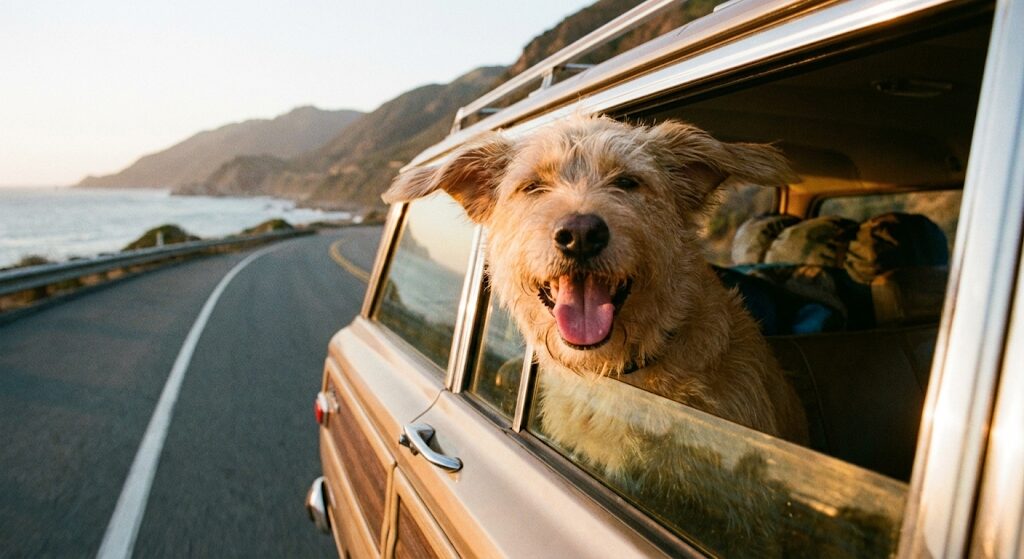
Taking a car ride with your dog can be one of life’s greatest joys. Whether it’s a quick trip to the local dog park or a multi-day cross-country adventure, sharing the open road with your four-legged best friend creates unforgettable memories. However, what looks effortless in movies—a golden retriever with its head out the window, ears flapping in the breeze—often requires meticulous planning, an understanding of canine psychology, and a commitment to rigorous safety standards.
Many pet parents underestimate the physical and emotional toll that a moving vehicle can take on an animal. From crippling motion sickness to the severe dangers of unrestrained travel, driving with a dog involves unique risks. This comprehensive, 12-section guide will walk you through every nuance of vehicular travel with your pet. By the time you finish reading, you’ll be equipped with the knowledge to make every journey safe, comfortable, and deeply rewarding for both you and your canine companion.
1. The Psychology of Dogs in Cars: Anxiety vs. Excitement
To ensure a smooth car ride with your dog, you must first understand how they perceive the experience. A vehicle is a sensory overload machine. It vibrates, it makes strange mechanical noises, the scenery outside flies by at unnatural speeds, and the inner cabin pressure shifts constantly. For some dogs, this triggers immense excitement; for others, it induces sheer terror.
If your dog pants excessively, paces, drools heavily, or whines the moment the engine starts, they are experiencing vehicular anxiety. This is often rooted in past trauma (such as only taking car rides to go to the vet for painful shots) or a lack of early socialization. Conversely, an overly excited dog that barks at passing cars and bounces from window to window is experiencing overstimulation, which is equally dangerous for the driver.
Understanding these psychological states is the first step toward correcting them. You cannot force a fearful dog to enjoy a car ride through sheer willpower. Instead, the process requires counter-conditioning—pairing the vehicle with high-value rewards like premium treats, favorite toys, or trips to enjoyable destinations like the beach or a hiking trail.
2. Pre-Trip Preparation & Vet Visits
Before embarking on any significant journey, evaluating your dog’s health is paramount. Just as you wouldn’t take a car on a cross-country trip without checking the oil and tires, you shouldn’t take your dog without a health clearance. The importance of pre-trip vetting cannot be overstated.
Schedule a vet appointment at least two weeks before your departure date. Ensure your dog is up to date on all vaccinations, especially Rabies, Distemper, and Parvovirus. If you are crossing state lines, many jurisdictions legally require a Certificate of Veterinary Inspection (CVI), also known as a health certificate, issued within 10 to 30 days of travel.
Furthermore, this is the time to verify that your dog’s microchip information is accurate and that they are wearing a sturdy collar with up-to-date ID tags. Taking steps to eliminate road trip risks before departure applies just as much to your furry passengers as it does to the mechanical state of your vehicle.

Premium Dog Travel Bag & Organizer
Keep your dog’s gear sorted. This airline-approved weekender bag includes collapsible bowls, lined food carriers, and multiple pockets for toys and leashes.
3. Essential Gear: Restraints, Crates, and Seatbelts
An unrestrained dog in a moving vehicle is a critical hazard. In a 35 mph crash, a 50-pound dog can be projected forward with 1,500 pounds of force. This is lethal to both the dog and the human passengers. Therefore, proper restraint is the most critical element of canine car travel.
| Restraint Type | Best For | Safety Level | Pros & Cons |
|---|---|---|---|
| Crash-Tested Harness | Medium to Large Dogs | High (if Center for Pet Safety certified) | Allows some movement but keeps dog anchored. Can be heavy. |
| Hard-Sided Travel Crate | All Sizes (especially anxious dogs) | Very High | Provides a safe “den” environment. Takes up significant cargo space. |
| Dog Hammock / Backseat Barrier | Older or highly docile dogs | Low to Medium | Keeps dog out of the front seat and protects upholstery, but offers little crash protection. |
Never attach a seatbelt tether to a dog’s neck collar. In the event of a sudden stop or collision, this will cause catastrophic neck injuries or strangulation. Always use a high-quality, padded chest harness designed specifically for vehicular restraint.
4. Packing the Ultimate Dog Road Trip Kit
Dogs require an astonishing amount of logistical support when traveling. Just as you would carefully curate a road trip essentials checklist for yourself and your human family members, your dog needs a dedicated travel bag to handle every possible scenario on the road.
The Non-Negotiable Packing List:
- Hydration & Nutrition: Bring 25% more of their regular food than you think you’ll need. Sudden diet changes on the road cause severe gastrointestinal distress. Bring collapsible silicone bowls and a dedicated gallon of tap water from home (strange municipal water can upset their stomachs).
- Medical Kit: Pack tweezers (for tick removal), canine-safe antiseptic wipes, gauze, styptic powder (for torn nails), and a copy of their vaccination records.
- Comfort Items: A familiar blanket that smells like home, their favorite durable chew toys, and a cozy travel bed to place inside their crate or on the seat.
- Cleanup Supplies: Endless rolls of poop bags, heavy-duty paper towels, and an enzyme-based odor eliminator spray for unavoidable accidents.

Crash-Tested Dog Car Harness
Don’t gamble with your pet’s life. Invest in a CPS-certified safety harness designed to distribute force and keep your dog securely anchored during hard braking.
5. Managing Canine Motion Sickness
Canine motion sickness is incredibly common, particularly in puppies and young dogs whose vestibular systems (the inner ear structures responsible for balance) are not fully developed. Symptoms go beyond vomiting; watch for excessive yawning, drooling, whining, or lethargy.
To combat this, avoid feeding your dog a heavy meal for at least two hours before the drive. An empty stomach is much less likely to rebel. Ensure the car is well-ventilated and kept slightly cooler than you might prefer, as heat exacerbates nausea.
If natural remedies—such as lowering the windows a few inches to equalize air pressure or giving them a ginger-based dog treat—fail to work, consult your veterinarian. They can prescribe highly effective, FDA-approved anti-nausea medications like Cerenia (maropitant citrate) which specifically block the vomiting center in the canine brain without causing extreme drowsiness.
6. Safe Driving Practices with a Pet Passenger
Having a dog in the car introduces a major variable to your driving environment. A pet pacing in the backseat, whining, or attempting to climb into your lap is a severe cognitive and physical distraction. Developing rigorous defensive driving habits to reduce collision risks is essential when you have precious cargo.
The Dangers of Distraction
Taking your eyes off the road for just two seconds to scold your dog or toss them a treat doubles your risk of a crash. A dog climbing into the footwell can physically block the brake pedal, leading to catastrophic consequences.
The Defensive Driver Approach
Secure the dog in the rear seat or cargo area. Never let a dog ride shotgun; airbag deployment can be fatal to an animal. Pull over safely to a shoulder or rest stop if you need to tend to your dog’s needs.
7. Temperature Control & Ventilation Needs
A car is essentially a metal greenhouse. In the summer sun, a vehicle’s interior temperature can jump 20 degrees in just 10 minutes. Because dogs do not sweat like humans (they regulate temperature primarily through panting and their paw pads), they are highly susceptible to heatstroke.
When driving, ensure the rear AC vents are directed toward your dog. If you have a dog in the cargo area of an SUV, be aware that climate control often struggles to reach the very back of the vehicle. Consider purchasing battery-operated crate fans to maintain airflow.
Never leave your dog unattended in a parked car. Not even with the windows cracked. Not even “just for five minutes.” The greenhouse effect is swift and lethal, and in many states, concerned citizens or law enforcement officers have the legal right to smash your car windows to rescue a trapped animal.

No-Spill Travel Water Bowl
Keep your dog hydrated on the go without soaking your upholstery. This innovative floating-disk bowl prevents splashing even during sharp turns and sudden stops.
8. Planning the Perfect Pit Stop Routine
Unlike humans who can push through a 6-hour drive with only a quick drive-thru stop, dogs need structured breaks. Plan to stop every two to three hours. These pit stops are not just for bathroom breaks; they are vital for your dog’s mental health and physical circulation.
When you stop, practice the “double-clip” method. Do not unclip their seatbelt or open their crate until you already have a firm grip on their leash. The sensory rush of a new environment (like a busy rest stop by a highway) can cause dogs to bolt into traffic the second the door opens.
Allow your dog 10-15 minutes of a “sniffari”—letting them slowly smell the grass and surroundings. Mental stimulation tires a dog out just as effectively as physical exercise, ensuring they will likely sleep through the next leg of your journey.
9. Legal Liabilities & Distracted Driving Laws
Driving with a dog isn’t just a matter of personal preference; it crosses into legal territory. While there are currently no federal laws regarding pet travel, state laws vary wildly and are becoming increasingly strict.
Several states, including New Jersey and Rhode Island, require dogs to be restrained in a vehicle; failing to do so can result in hefty fines. Other states apply broad “distracted driving” laws to pets. If a police officer observes your dog sitting on your lap or hanging halfway out the driver’s side window, you can be pulled over and ticketed for operating a vehicle while distracted.
Furthermore, it is illegal in nearly every jurisdiction to allow a dog to ride unsecured in the open bed of a pickup truck. The risk of ejection, eye damage from flying debris, and severe burns from the hot metal bed make this practice inhumane and legally punishable.
10. Hotel & Accommodation Etiquette on the Road
If your car ride spans multiple days, you will need to navigate the complexities of pet-friendly accommodations. “Pet-friendly” rarely means “pet-permissive.” Always call the hotel directly rather than relying on third-party booking sites, as hotels often have strict limits on dog weight, breed, or the number of pets allowed per room.
When you arrive, practice stellar pet etiquette to ensure hotels continue to welcome dogs in the future. Request a ground-floor room near an exit for easy late-night bathroom trips. Never leave your dog alone in a hotel room; unfamiliar sounds in the hallway will often trigger anxiety and incessant barking, leading to noise complaints and potential eviction from the hotel.
Bring an old sheet to cover the hotel bedding if your dog is accustomed to sleeping with you, and immediately clean up any messes made on the property grounds.

Heavy-Duty Car Vacuum for Pet Hair
Eradicate stubborn dog fur from your car’s carpets and upholstery. Featuring specialized rubber nozzles and high suction power for deep cleaning.
11. Post-Trip Cleanup: Banishing Fur & Odors
The road trip might be over, but the aftermath inside your vehicle remains. Dogs leave behind an unbelievable amount of hair, drool, dander, and distinct odors that can quickly bake into your car’s interior if left unaddressed.
Start by removing all seat covers, blankets, and hammocks and washing them in hot water with pet-safe detergent. For the carpets and cloth seats, a standard household vacuum won’t cut it. You need to invest in one of the best heavy-duty car vacuum cleaners for SUVs and trucks, specifically models with motorized brush heads designed to pull woven hair out of automotive carpet fibers.
To eliminate the “wet dog” smell, avoid cheap air fresheners that merely mask the scent. Use an enzymatic cleaner on any fabric surfaces to break down the biological proteins causing the odor. Clean the inside of your windows with an alcohol-based glass cleaner to remove the greasy nose prints left behind from hours of window-watching.
12. Long-Haul Desensitization Training
If your dog currently hates the car, a 10-hour road trip tomorrow is a recipe for disaster. You must embark on a desensitization protocol weeks or months in advance.
Start small. Simply put the dog in the parked car, give them a high-value treat, and take them back out. Do this for a few days until they eagerly jump into the vehicle. Next, turn the engine on, but do not move. Reward and exit. The next step is backing down the driveway and returning. Gradually increase the trips—around the block, to a nearby park, across town.
By slowly increasing the duration of the car ride and consistently ending at a positive destination, you re-wire your dog’s brain. The car transforms from a terrifying metal box of anxiety into the magical teleporter that takes them to their favorite parks and trails.
Frequently Asked Questions (FAQs)
1. Can my dog sit in the front passenger seat?
No. It is highly dangerous for dogs to ride in the front seat. Passenger-side airbags deploy with incredible force designed for adult humans, which can easily crush or kill a dog in the event of an accident.
2. How often should I stop for my dog on a long road trip?
You should plan to stop every 2 to 3 hours to allow your dog to relieve themselves, stretch their legs, drink water, and get some mental stimulation before returning to the vehicle.
3. Is it safe to let my dog stick their head out the window?
While dogs love it, it is not safe. Flying debris (rocks, bugs, dirt) can cause severe eye injuries or corneal ulcers. Furthermore, an unrestrained dog could accidentally fall or jump from the moving vehicle. It is best to crack the window slightly for fresh air.
4. How do I know if my dog is getting car sick?
Signs of canine motion sickness include excessive drooling, pacing, yawning, lip smacking, whining, and lethargy. Vomiting is the final stage, but the preceding signs indicate nausea.
5. Are dog seatbelts actually effective?
Only if they are crash-tested and certified by organizations like the Center for Pet Safety (CPS). Flimsy, generic tethers attached to standard collars are dangerous and prone to snapping during collisions.
6. Should I feed my dog right before a car ride?
It is best to feed your dog a light meal 2 to 3 hours before you depart. Traveling on a full stomach increases the likelihood of motion sickness and vomiting.
7. Can I leave my dog in the car if it’s parked in the shade?
Never. The interior of a car heats up incredibly fast, even in the shade or on moderately warm days with the windows cracked. This can lead to fatal heatstroke in a matter of minutes.
8. What is the safest way to transport a puppy in a car?
The absolute safest method for transporting a puppy is securing them in a hard-sided, crash-tested travel crate in the back seat or cargo area of your vehicle.
9. Does dog anxiety medication work for car rides?
Yes. For dogs with severe phobias, veterinarians can prescribe anti-anxiety medications (like Trazodone or Gabapentin) or anti-nausea medications (like Cerenia) to make travel tolerable. Always consult your vet for proper dosing.
10. How can I protect my car seats from dog claws and fur?
Invest in a high-quality, waterproof hammock-style seat cover. These attach to the headrests, creating a barrier that protects the upholstery while keeping the dog contained in the rear area.
Ready to Hit the Road with Your Best Friend?
Mastering the art of traveling with your dog takes patience, preparation, and the right gear. By prioritizing their safety through crash-tested restraints, understanding their psychological needs, and planning frequent stops, you transform a stressful commute into a joyous bonding experience. The open road is calling—make sure your dog is ready to answer it safely.
Download the Complete Pet Travel Checklist Today